Posted on Leave a comment

UV vs Screen Printing: 5 Key Differences | SUNTOP INC

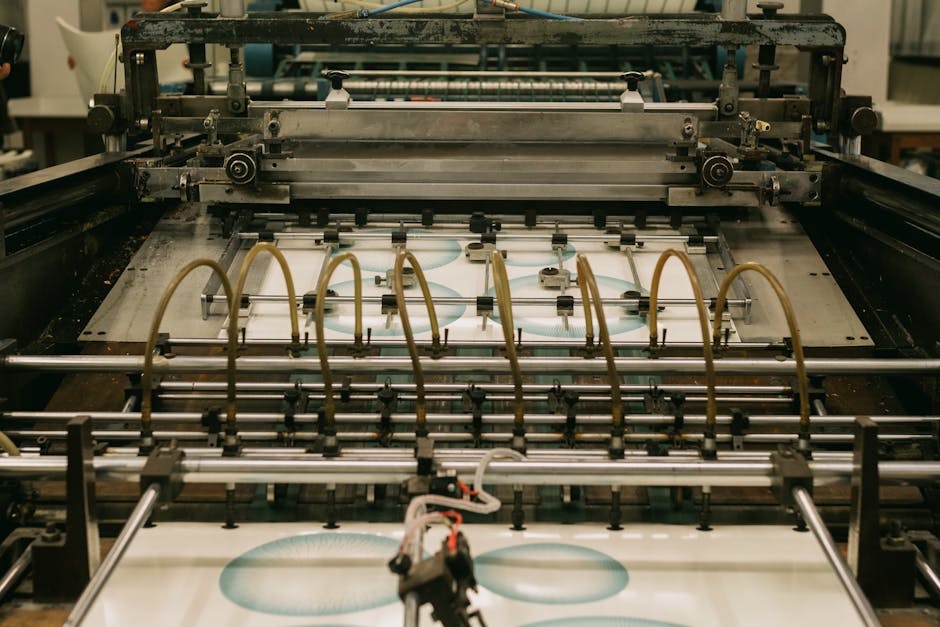
Close-up of an industrial printing press producing designs.

UV vs Screen Printing: 5 Key Differences Revealed

The short answer is: UV printing excels for complex designs, variable data, and small quantities with no setup costs, while screen printing remains cost-effective for large runs of simple designs with vibrant colors.

Close-up of an industrial printing press producing designs.
Photo: João Jesus

Key Facts About UV vs Screen Printing:

  • UV printing achieves 1440 dpi resolution — 10x sharper than screen printing
  • Screen printing setup takes 2-4 hours; UV printing starts immediately
  • SUNTOP processes over 10,000 UV printed items monthly in Castle Rock, CO
  • Both methods available with 24-hour rush service and zero-defect guarantee

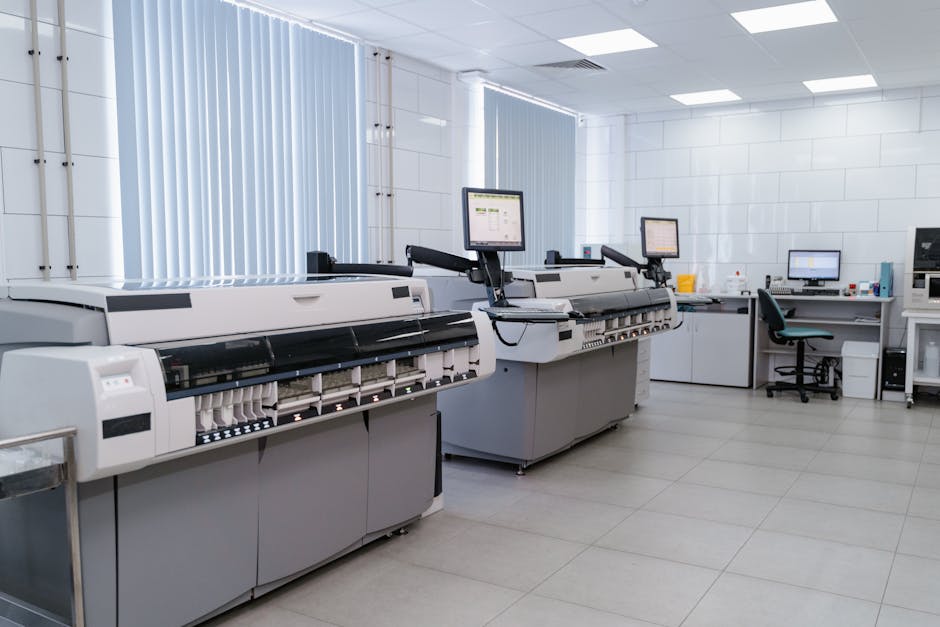
At 7 AM sharp in our Castle Rock facility, two production lines fire up simultaneously. On the left, our UV flatbed printers begin their precise digital dance across promotional products — no screens, no setup, just pure digital precision. On the right, our screen printing team carefully positions mesh screens, mixing custom Pantone colors for a 5,000-piece corporate order.

This daily scene perfectly illustrates the fundamental choice facing every brand launch: UV vs screen printing. Both technologies live under our roof, and after producing millions of branded items, we’ve learned exactly when each method delivers superior results.

What Makes UV Printing Superior for Complex Designs?

UV flatbed printing transforms digital artwork into physical reality without compromise. Unlike screen printing, which requires separate screens for each color, UV printing reproduces your entire design — gradients, photographs, fine text — in a single pass.

Our UV systems cure ink instantly using LED lights, creating a scratch-resistant, fade-proof finish that bonds permanently with virtually any surface. Metal business card holders, glass awards, leather portfolios — materials that challenge traditional screen printing become UV printing opportunities.

The game-changer? Variable data printing. Each item can feature unique names, numbers, or messages without stopping production. Imagine 500 employee recognition awards, each personalized, completed in the same time traditional methods produce 50 identical pieces.

How Does Screen Printing Achieve Unmatched Color Vibrancy?

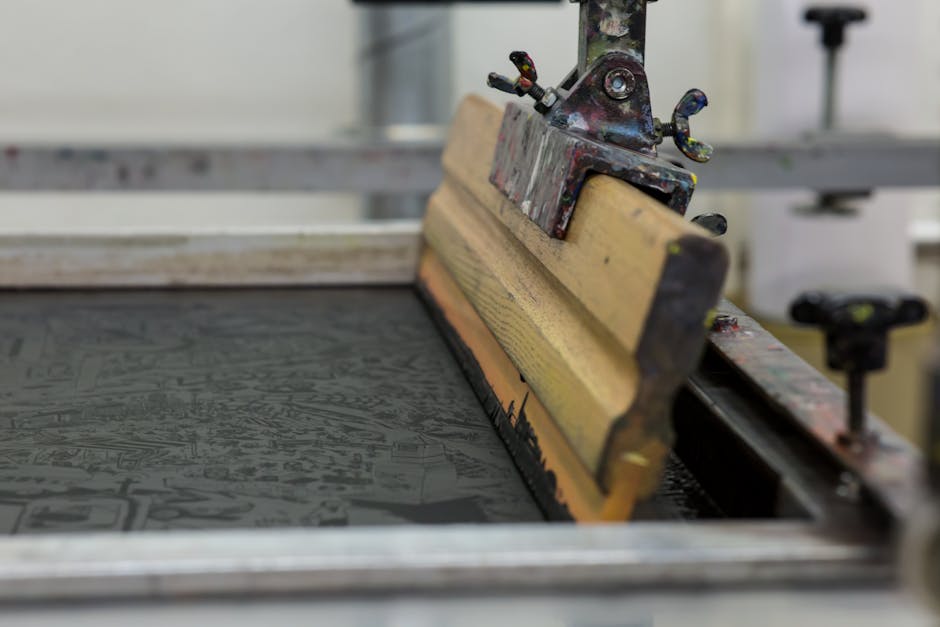
Screen printing remains the undisputed champion for bold, vibrant colors — especially on textiles. The thick ink deposits create rich, opaque coverage that UV printing, despite its precision, cannot fully replicate on fabric surfaces.

Here’s our 5-step screen printing mastery process:

  1. Custom screen creation using precise mesh counts (80-400 threads per inch)
  2. Pantone color matching with proprietary ink mixing formulas
  3. Registration alignment ensuring perfect multi-color registration
  4. Controlled squeegee pressure and speed for consistent ink deposit
  5. Forced-air drying or heat curing for permanent adhesion

For orders exceeding 500 units with simple artwork, screen printing delivers unbeatable per-piece economics. The setup investment spreads across more units, making each item progressively more cost-effective.

Why Does Production Speed Vary Between Methods?

Speed tells two different stories. UV printing wins the sprint — your artwork uploads digitally and printing begins immediately. No screens to burn, no color mixing, no registration setup. Rush orders that arrive at 2 PM can ship the same day.

Screen printing wins the marathon. After initial setup, our experienced operators maintain consistent speeds of 200-400 pieces per hour, depending on design complexity. The upfront time investment pays dividends on large quantities.

Consider a recent client scenario: 50 executive gifts needed for next-day delivery versus 2,000 trade show giveaways with a two-week timeline. UV printing handled the executive gifts seamlessly, while screen printing optimized costs for the trade show order.
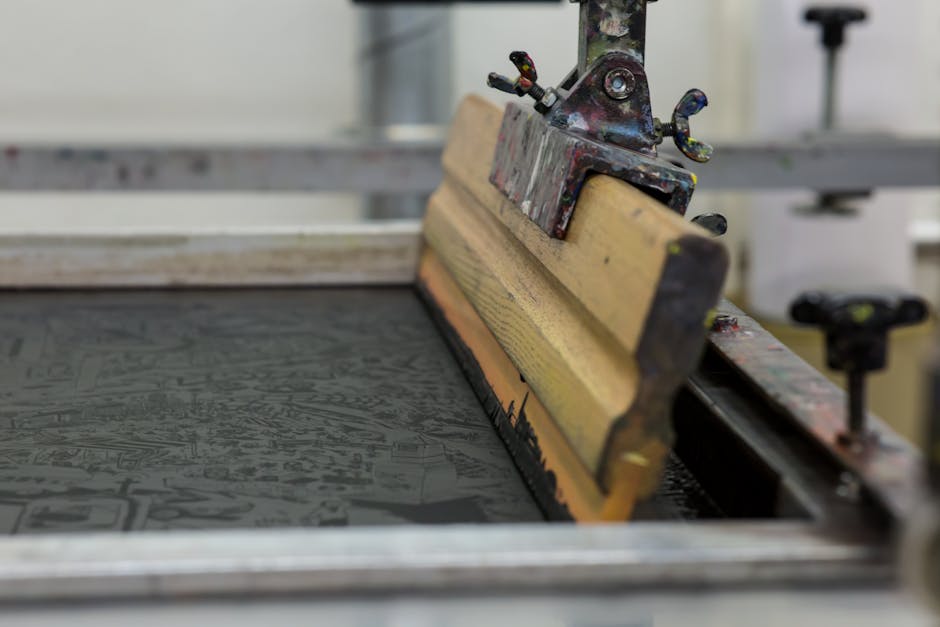
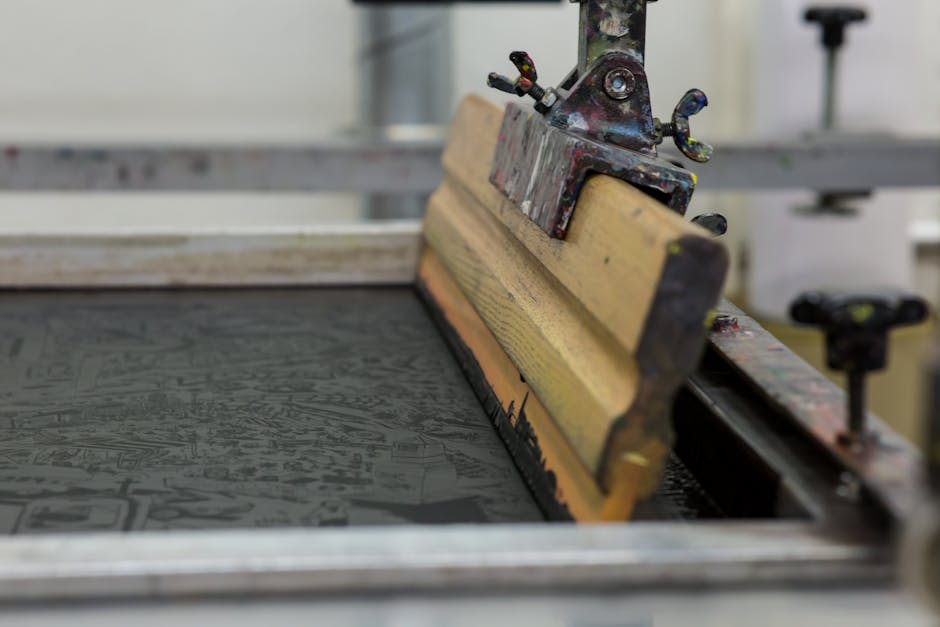
Detailed view of a screen printing setup with a wooden squeegee in Luzern, Switzerland.
Photo: Wendelin Jacober

Which Surfaces Work Best with Each Method?

Surface compatibility reveals each method’s true strengths. UV printing thrives on diverse materials that challenge traditional approaches:

  • Glass: Perfect adhesion without primer, crystal-clear results
  • Metal: Direct printing on aluminum, stainless steel, and coated surfaces
  • Wood: Preserves natural grain while adding vibrant graphics
  • Acrylic: Creates stunning transparent effects with white ink backing
  • Leather: Flexible inks that move with the material

Screen printing excels on traditional promotional surfaces: cotton apparel, canvas bags, flat plastics, and smooth ceramics. The physical squeegee action requires cooperative surfaces that won’t damage under pressure.

How Do Long-Term Durability Results Compare?

Both methods pass our zero-defect durability standards, but through different mechanisms. UV inks polymerize into plastic-like films that resist scratching, fading, and chemical exposure. Our outdoor weathering tests show minimal color shift after 1,000 hours of UV exposure.

Screen printing achieves durability through ink penetration and chemical bonding. Properly cured screen inks become part of the substrate, especially on textiles. Custom apparel maintains color integrity through hundreds of wash cycles.

The decisive factor? Application environment. UV printing dominates outdoor signage, industrial nameplates, and premium gift items. Screen printing leads in washable textiles and high-volume promotional items.
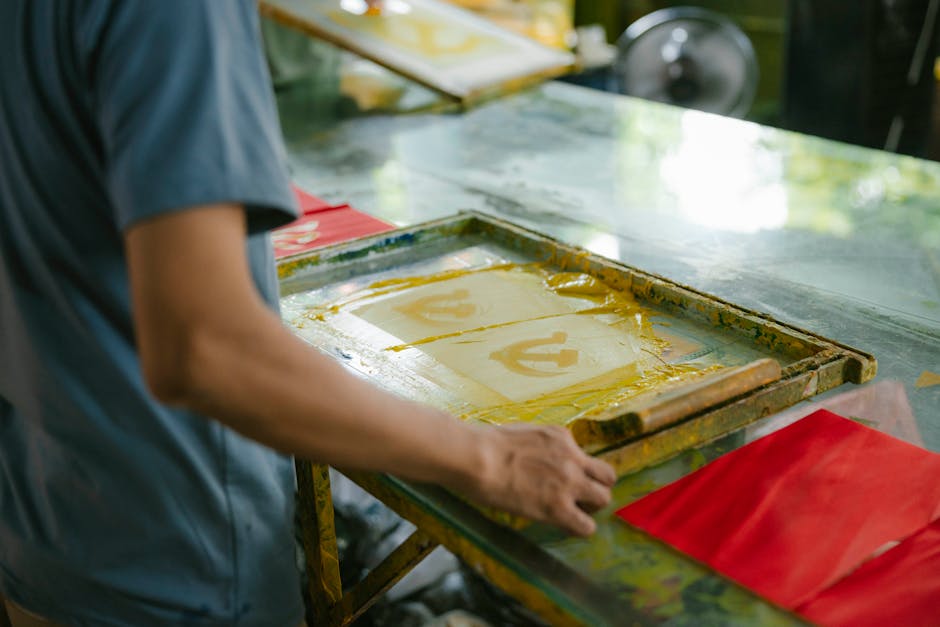
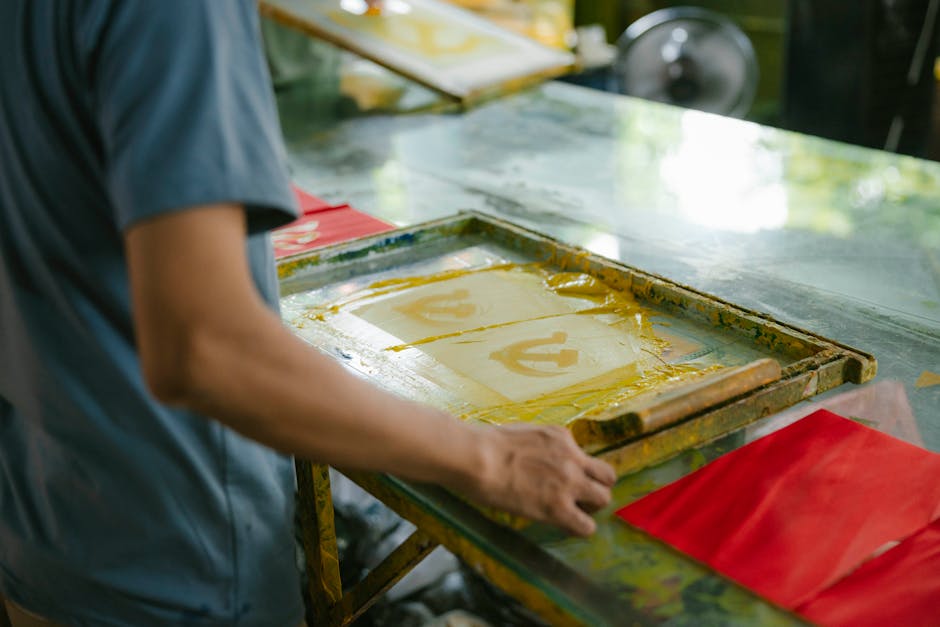
Artisan crafting screen prints indoors, showcasing creativity and skill in handmade art production.
Photo: HONG SON

Frequently Asked Questions About UV vs Screen Printing

What is the main difference between UV and screen printing?

UV printing uses digital inkjet technology to print directly onto surfaces with no setup, while screen printing uses mesh screens and squeegees, requiring setup but offering lower per-unit costs for large quantities.

Which printing method is faster for small orders?

UV printing is significantly faster for small orders because it requires no screen setup or drying time. Products can be completed within hours versus days for screen printing setup.

Can UV printing match screen printing’s color vibrancy?

Yes, UV printing delivers comparable color vibrancy with superior detail resolution up to 1440 dpi. UV inks are also more durable and fade-resistant than traditional screen inks.

What surfaces work best with each printing method?

UV printing works on virtually any flat surface including metal, glass, and textured materials. Screen printing is limited to smooth, flat surfaces that can withstand squeegee pressure.

Which method offers better cost per piece for large orders?

Screen printing typically offers lower per-piece costs for quantities over 500 units due to efficient ink usage, while UV printing maintains consistent pricing regardless of quantity.

About SUNTOP INC: SUNTOP INC operates as an ASI-certified manufacturer (#90174) from our Castle Rock, Colorado facility, providing direct factory pricing on UV flatbed printing and screen printing services. Our zero-defect quality standards and 24-hour rush capabilities serve clients across 50+ countries with dedicated account management.

Ready to see both printing methods in action? Request a free factory tour video showcasing our UV and screen printing capabilities, or get your custom quote with free artwork consultation. Visit suntopify.com to discover which printing method delivers optimal results for your brand launch.
Posted on Leave a comment

Laser Engraving: Precision Manufacturing Process | SUNTOP INC

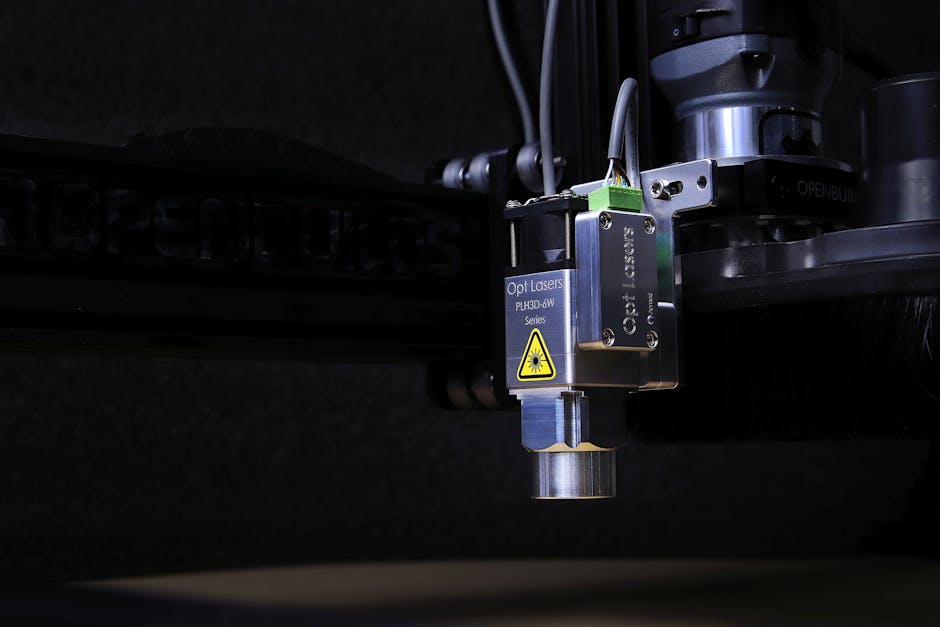
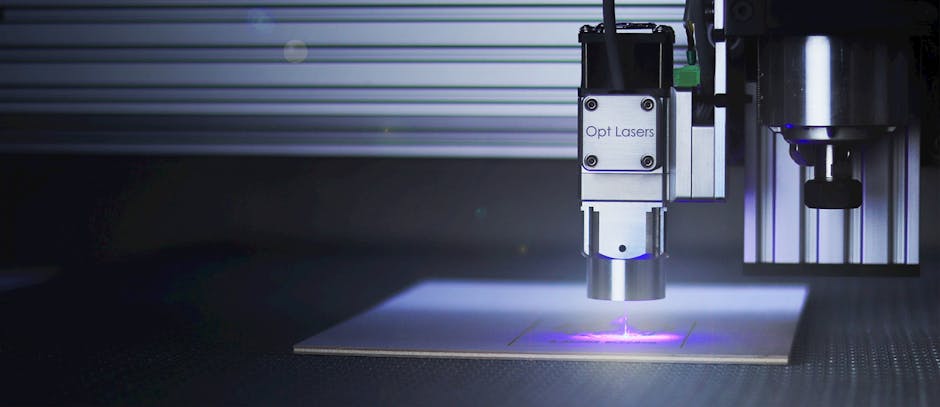
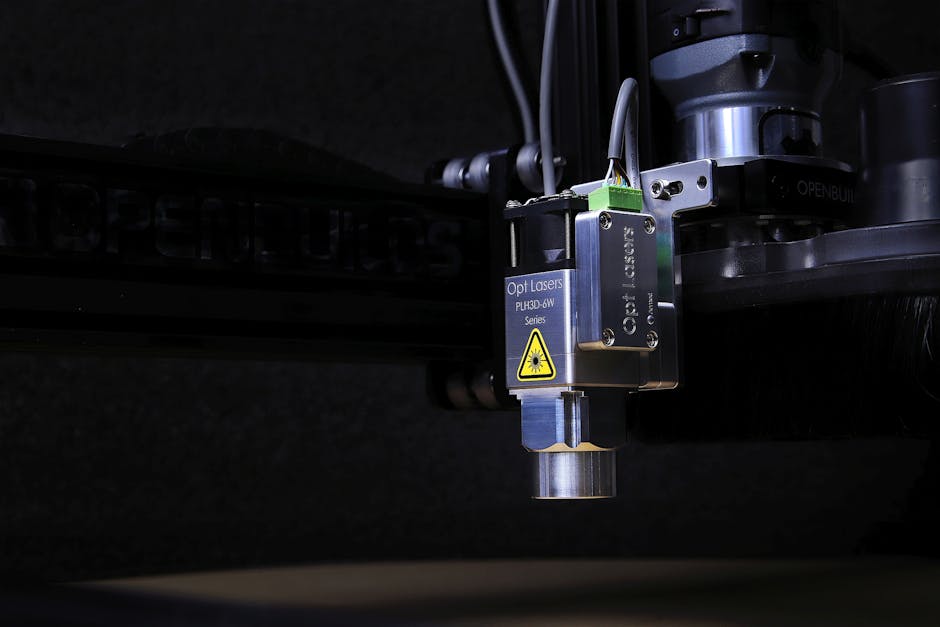
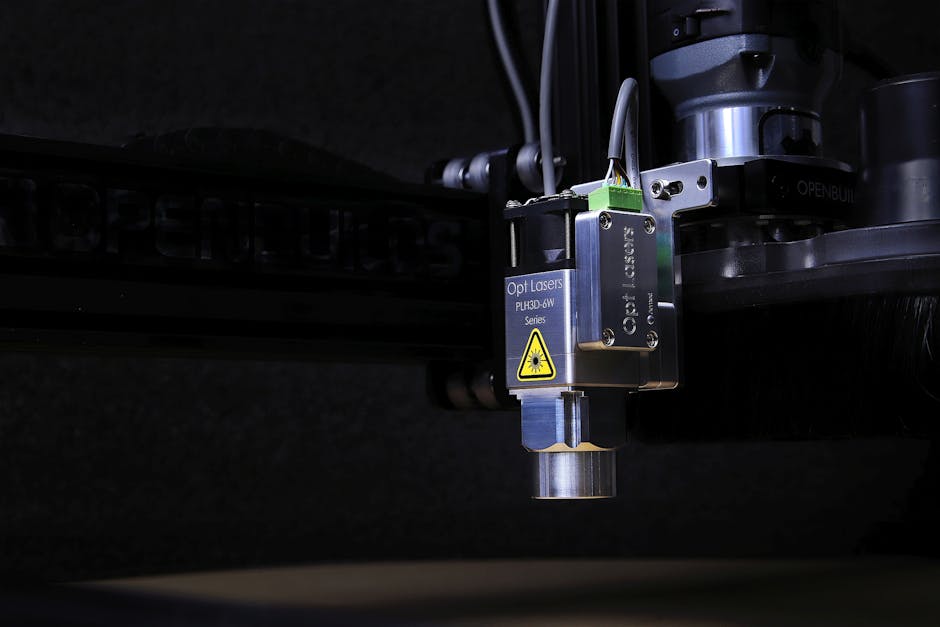
Detailed view of an Opt Lasers engraving machine in operation, showcasing precision technology.

Laser Engraving: Precision Manufacturing Process | SUNTOP INC

Laser engraving is a precise manufacturing process that uses focused laser beams to permanently mark or etch materials by removing surface layers. It creates high-quality, durable markings on metals, wood, glass, leather, and plastics without inks or chemicals.

Detailed view of an Opt Lasers engraving machine in operation, showcasing precision technology.
Photo: Opt Lasers from Poland

Key Facts About Laser Engraving:

  • Achieves 0.01mm precision accuracy for intricate detail work
  • Works on 15+ material types from stainless steel to leather
  • Creates permanent markings that won’t fade or wear off
  • SUNTOP INC uses both CO2 and fiber laser systems for optimal results
The quiet hum of laser systems fills SUNTOP’s Castle Rock facility as precision beams dance across stainless steel awards, each pass creating permanent elegance. It’s 2:30 PM on a Tuesday, and our laser engraving department is processing a rush order of 500 executive desk accessories for a Fortune 500 client launch. Watching laser engraving in action reveals the marriage of cutting-edge technology and artisan precision. The focused beam moves with computer-controlled accuracy, removing microscopic layers of material to create markings that will outlast decades of handling.

What Makes Laser Engraving Different from Other Marking Methods?

Unlike screen printing or pad printing that apply materials to surfaces, laser engraving removes material through controlled vaporization. This fundamental difference creates markings that become part of the item itself rather than sitting on top.

The laser engraving process involves focusing an intense beam of light onto the material surface. The concentrated energy instantly heats the material beyond its vaporization point, removing microscopic layers with surgical precision. This creates a permanent depression or color change that reveals the underlying material.

At SUNTOP INC, we operate both CO2 and fiber laser systems to optimize results across material types. CO2 lasers excel at organic materials like wood and leather, while fiber lasers deliver superior performance on metals and ceramics.

How Does SUNTOP’s Laser Engraving Process Work?

Our ASI-certified facility (#90174) follows a systematic approach that ensures consistent, high-quality results for every project:

  1. Design Optimization: Vector artwork is converted to laser-compatible formats, with line weights and spacing adjusted for optimal engraving depth
  2. Material Setup: Items are precisely positioned and secured in custom jigs to prevent movement during engraving
  3. Laser Calibration: Power, speed, and pulse frequency are calibrated based on material type and desired effect
  4. Test Engraving: Sample runs verify settings before production begins
  5. Production Run: Computer-controlled systems execute the engraving with 0.01mm precision
  6. Quality Inspection: Each piece undergoes visual inspection to meet our zero-defect standard

This methodical approach allows us to maintain consistency whether producing 10 awards or 10,000 promotional items.

Why Choose Laser Engraving Over Traditional Methods?

The advantages of laser engraving become apparent when comparing durability and aesthetic appeal. Traditional methods like pad printing or vinyl application can fade, peel, or wear away over time. Laser engraving creates markings that are literally part of the material.

Consider a custom award that will sit on an executive’s desk for years. Screen-printed text might chip or fade from handling and cleaning. Laser-engraved text maintains its crisp appearance indefinitely, preserving the professional image your brand deserves.

The precision capabilities also enable design elements impossible with other methods. Intricate logos, fine serif fonts, and detailed graphics translate beautifully through laser engraving, creating premium-quality results that reflect positively on your brand.

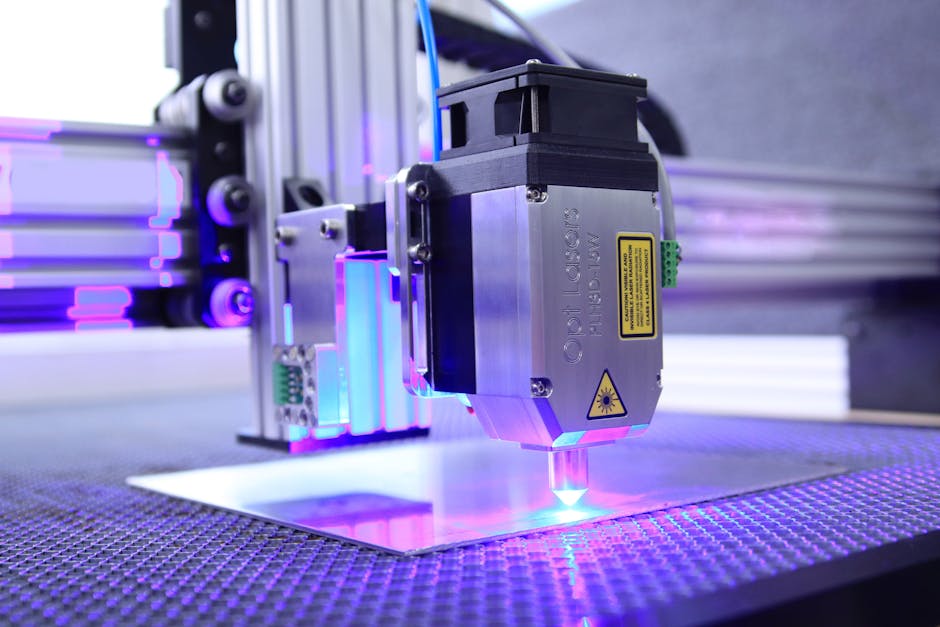
Detailed view of an industrial laser engraving machine in action, highlighting precision equipment.
Photo: Opt Lasers from Poland

What Quality Standards Does SUNTOP Maintain?

Our quality control process begins before the laser even fires. Every project undergoes thorough preparation to ensure optimal results:

  • Material Inspection: Surface quality, thickness variations, and composition verified before engraving
  • Artwork Review: Vector files checked for optimal line weights and engraving compatibility
  • Test Samples: Representative pieces engraved and approved before production runs
  • Process Monitoring: Real-time quality checks during production to maintain consistency
  • Final Inspection: Each completed item examined against quality standards

This systematic approach, combined with our advanced laser systems, delivers the consistent quality that has made SUNTOP a trusted partner for promotional product distributors across 50+ countries.

How Does Laser Engraving Benefit Your Brand Image?

The permanence and precision of laser engraving elevates perceived value in ways that surprise many clients. Recipients associate the crisp, professional appearance with quality and attention to detail – qualities that reflect positively on your brand.

Consider how laser-engraved executive gifts create lasting impressions during client meetings. The permanent marking ensures your brand remains visible and professional-looking years after presentation, providing ongoing marketing value that temporary marking methods cannot match.

The technology also enables personalization that strengthens recipient connection. Individual names, dates, or custom messages engraved alongside your logo create memorable pieces that recipients genuinely value and display proudly.

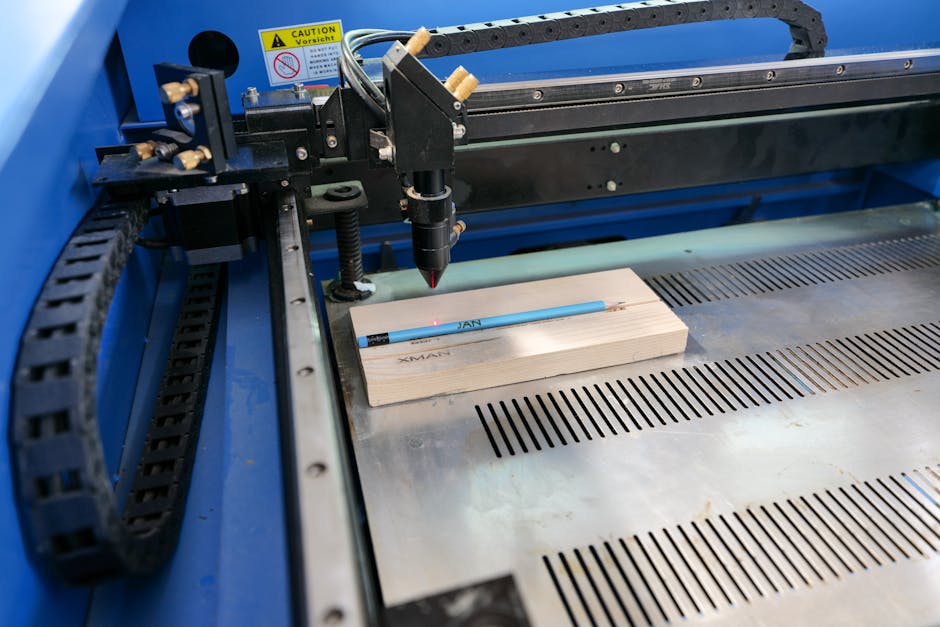
Laser engraving machine in action on wood with pencil for precise marking.
Photo: Vladimir Srajber

Frequently Asked Questions About Laser Engraving

What materials can be laser engraved?

Laser engraving works on stainless steel, aluminum, wood, leather, glass, acrylic, and most plastics. Different laser types optimize for specific materials – fiber lasers excel on metals while CO2 lasers handle organic materials best.

How accurate is laser engraving?

Professional laser engraving achieves 0.01mm precision, creating incredibly detailed and consistent results. This accuracy makes it ideal for fine text, intricate logos, and precise technical markings on promotional products and awards.

Is laser engraving permanent?

Yes, laser engraving creates permanent markings by physically removing material surface layers. Unlike printing or adhesive labels, laser-engraved text and designs cannot fade, peel, or wear off under normal use conditions.

What’s the difference between laser engraving and etching?

Laser engraving removes material to create deeper marks (0.01-0.125mm), while laser etching melts the surface without removal. Engraving provides more durability and contrast, making it preferred for premium corporate gifts and awards.

How long does laser engraving take?

Laser engraving speed depends on design complexity and material. Simple text takes 30-60 seconds per item, while detailed logos may require 2-5 minutes. SUNTOP’s advanced systems optimize speed without compromising precision quality.

About SUNTOP INC: SUNTOP INC is an ASI-certified promotional products manufacturer (#90174) based in Castle Rock, CO. We specialize in precision laser engraving, UV flatbed printing, and custom manufacturing with factory-direct pricing and global shipping to 50+ countries.

Experience the precision and permanence of professional laser engraving for your next promotional project. Our Castle Rock facility offers free artwork services, 24-hour rush capabilities, and factory tours to showcase our advanced manufacturing processes. Request a free quote today and discover how laser engraving can elevate your brand image.

Posted on Leave a comment

UV Flatbed Printing: 5 Key Advantages for Custom Products | SUNTOP INC

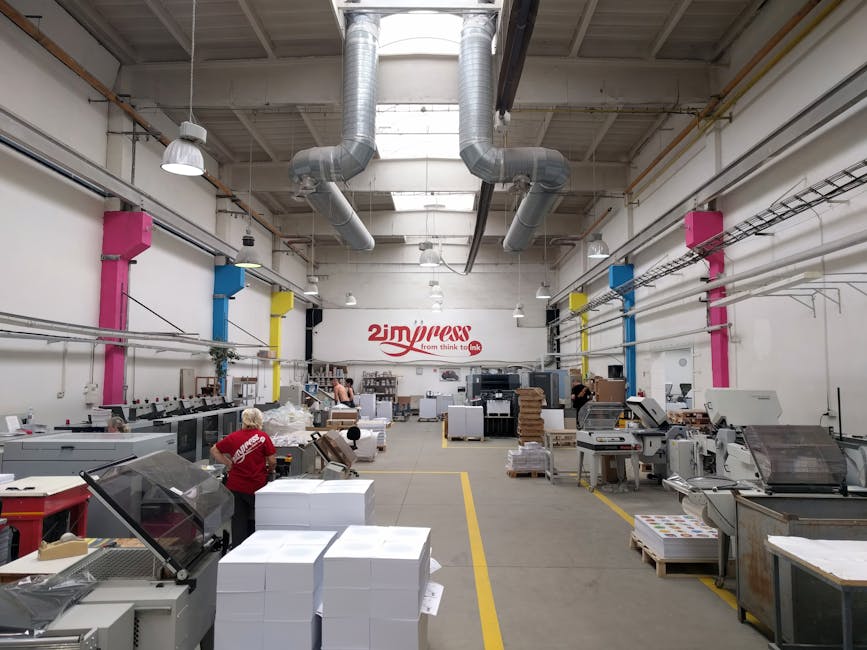
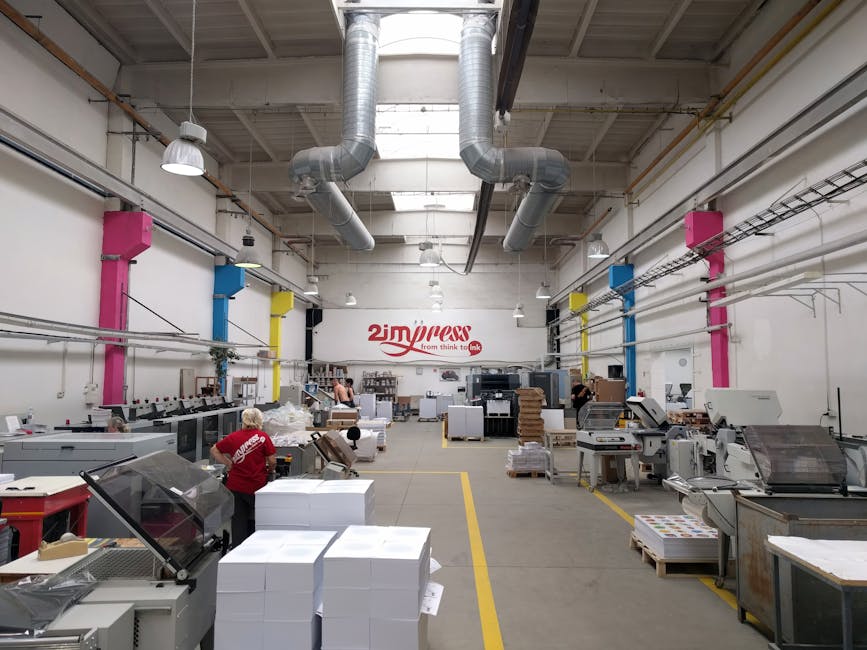
Spacious printing facility with modern machinery and workers engaging in tasks.

UV Flatbed Printing: 5 Key Advantages for Custom Products | SUNTOP INC

The short answer is: UV flatbed printing is a digital printing technology that applies UV-cured inks directly onto flat surfaces up to 4 inches thick, achieving 1440 dpi resolution with instant curing for scratch-resistant, fade-proof results.

Spacious printing facility with modern machinery and workers engaging in tasks.
Photo: Manuel Campagnoli

Key Facts:

  • UV flatbed printing achieves up to 1440 dpi photographic quality resolution
  • Technology prints on materials up to 4 inches thick without pre-treatment
  • SUNTOP INC operates advanced UV flatbed systems at our Castle Rock, CO facility
  • Process uses eco-friendly, solvent-free inks that cure instantly under UV light

At 7:30 AM in our Castle Rock manufacturing facility, production manager Sarah Chen examines a batch of aluminum panels destined for a Fortune 500 client’s trade show display. What makes this morning routine remarkable isn’t the early hour—it’s watching our UV flatbed printing system transform bare metal into vibrant, branded artwork in real-time. The UV-cured inks hit the aluminum surface and cure instantly under powerful LED arrays, creating a finish so durable it could withstand years of outdoor exposure.

This scene repeats daily at SUNTOP INC, where UV flatbed printing has revolutionized how we approach promotional product manufacturing. The technology eliminates traditional printing limitations, allowing us to print directly onto virtually any flat surface with precision that rivals photographic quality.

What Makes UV Flatbed Printing Different from Traditional Printing Methods?

Traditional printing methods require multiple steps, transfer materials, and surface preparation. UV flatbed printing eliminates these barriers by applying ink directly to the substrate. The process begins when our technicians load materials—whether metal, glass, wood, or plastic—directly onto the flatbed platform.

The magic happens when specialized UV-cured inks hit the surface. Unlike conventional inks that require air-drying or heat curing, UV inks transform from liquid to solid instantly when exposed to UV light. This immediate curing process creates a chemical bond with the material surface, resulting in prints that resist scratching, fading, and chemical damage.

Our UV flatbed systems accommodate materials up to 4 inches thick, opening possibilities that traditional printing cannot match. We’ve successfully printed on everything from 1/8-inch acrylic awards to thick wooden cutting boards, maintaining consistent quality across all substrate types.

How Does SUNTOP’s UV Flatbed Printing Process Achieve 1440 DPI Quality?

Achieving photographic quality requires precision at every stage. Our UV flatbed printing process follows these critical steps:

  1. Color Profile Calibration: Each substrate receives custom color profiling to ensure accurate color reproduction
  2. Surface Analysis: Our technicians evaluate material porosity, texture, and composition to optimize ink adhesion
  3. Multi-Layer Application: CMYK colors, white base layers, and protective varnish apply in a single pass
  4. UV Curing Intensity: LED UV arrays deliver precise light wavelengths for complete polymerization
  5. Quality Verification: Each piece undergoes scratch-resistance and color accuracy testing

The 1440 dpi resolution means our printers place ink dots so precisely that fine text remains sharp and photographic images retain subtle gradations. This level of detail surpasses what most clients expect from promotional product manufacturing.

Why Do SUNTOP’s Quality Control Standards Exceed Industry Norms?

Our zero-defect standard begins before the first drop of ink touches the substrate. As a direct manufacturer, we control every variable that affects print quality. Our quality assurance team, led by certified technicians, implements a multi-checkpoint system that traditional promotional product suppliers cannot match.

Each UV flatbed printing job undergoes pre-production testing on material samples. We verify ink adhesion, color accuracy, and durability before committing to the full production run. This approach eliminates costly reprints and ensures client satisfaction from the first piece to the last.

The UV curing process itself contributes to quality consistency. Unlike heat-based curing that can cause material warping or color shifts, UV curing occurs at room temperature. This stability allows us to maintain precise registration across multi-color designs, even on challenging materials like textured wood or brushed metal.

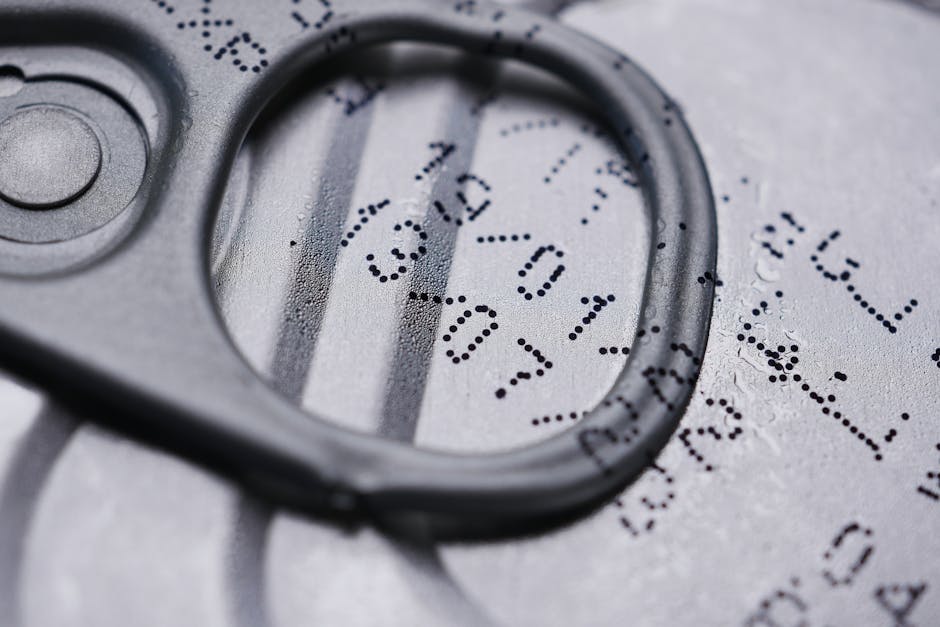
Detailed image of a drink can lid showing printed expiration date.
Photo: Towfiqu barbhuiya

Which Industries Benefit Most from UV Flatbed Printing Capabilities?

UV flatbed printing serves diverse industries because of its material versatility and durability advantages. Our client data shows particularly strong adoption in sectors requiring premium presentation and longevity:

  • Technology Companies: Branded device cases, metal panels for equipment, and high-resolution product samples
  • Healthcare Organizations: Durable signage for sterile environments, medical device branding, and patient education materials
  • Financial Services: Executive awards, branded office accessories, and client appreciation gifts
  • Hospitality Industry: Weather-resistant outdoor signage, branded amenities, and custom room accessories
  • Manufacturing Sector: Equipment labeling, safety signage, and branded industrial components

The common thread among successful UV flatbed printing applications is the need for professional appearance combined with long-term durability. Traditional promotional products often look cheap or wear quickly. UV flatbed printing delivers the premium quality that reflects positively on brand reputation.

How Does Direct Manufacturing Impact Your UV Printing Project Timeline?

Operating as a direct manufacturer fundamentally changes project timelines. While distributors and resellers add layers of communication and handling, our clients work directly with production teams. This streamlined approach enables our famous 24-hour rush capability for custom manufacturing projects.

Our UV flatbed printing systems run continuously during peak periods, supported by dedicated technicians who understand both the technology and our clients’ urgency. When a client needs 500 branded tablets for a Monday morning product launch, our weekend production capability makes the impossible routine.

The efficiency extends beyond speed. Direct manufacturing means immediate feedback and adjustment capability. If a client requests color modifications after seeing initial samples, our technicians implement changes within hours rather than days required by multi-vendor workflows.

Chic skincare packaging with a prominent sale sign in a minimal design.
Photo: www.kaboompics.com

Frequently Asked Questions About UV Flatbed Printing

What materials can UV flatbed printing print on?

UV flatbed printing works on virtually any flat material including metal, glass, wood, leather, plastic, acrylic, and ceramic surfaces up to 4 inches thick.

How durable are UV flatbed prints?

UV-cured inks create scratch-resistant, fade-resistant prints that maintain color integrity for years, making them ideal for outdoor and high-use applications.

What resolution does UV flatbed printing achieve?

Professional UV flatbed printers achieve up to 1440 dpi resolution, delivering photographic quality results with precise color reproduction and fine detail.

Is UV flatbed printing environmentally friendly?

Yes, UV printing uses eco-friendly, solvent-free inks that cure instantly with UV light, producing no volatile organic compounds (VOCs) or harmful emissions.

Can UV flatbed printing handle small quantities?

UV flatbed printing requires no setup fees or minimum quantities, making it cost-effective for both prototype runs and large-scale production orders.

About SUNTOP INC: SUNTOP INC operates as an ASI-certified direct manufacturer (#90174) from our Castle Rock, Colorado facility, specializing in UV flatbed printing, laser engraving, and promotional product manufacturing with global shipping capabilities to 50+ countries.

Ready to experience the precision and durability of UV flatbed printing for your next project? Our production team can provide material samples and technical specifications to help you make informed decisions. Visit suntopify.com to request a free quote and schedule a virtual factory tour showcasing our UV printing capabilities in action.

Posted on Leave a comment

UV vs Screen Printing: 7 Key Differences | SUNTOP INC

Spacious modern laboratory featuring advanced printing equipment and workstations.

UV vs Screen Printing: 7 Key Differences for Better Brand Impact

The short answer is UV printing offers superior versatility, printing directly on any flat surface up to 4 inches thick with photographic quality at 1440 dpi, while screen printing excels for large quantities on fabric and simple designs with vibrant, long-lasting colors.

Spacious modern laboratory featuring advanced printing equipment and workstations.
Photo: Tima Miroshnichenko

Key Facts About UV vs Screen Printing:

  • UV printing achieves 1440 dpi resolution compared to screen printing’s 85-120 dpi capability
  • Screen printing setup costs average $25-50 per color, while UV printing has zero setup fees
  • UV ink cures instantly with LED lights, while screen printing requires 24-48 hour drying time
  • SUNTOP INC operates both technologies from our Castle Rock, CO facility with ASI certification #90174

At 2:47 PM on a busy Tuesday, our production floor tells two different stories. On the left, our UV flatbed printer hums quietly as it deposits precise droplets of ink onto a batch of aluminum water bottles, each one emerging with photographic-quality logos in full color. On the right, our screen printing station buzzes with activity as technicians prepare mesh screens for a 500-piece t-shirt order, mixing Pantone-matched inks to achieve that perfect corporate blue.

This scene plays out daily at SUNTOP INC, where we’ve invested in both UV printing and screen printing technologies to serve our clients’ diverse needs. But which method delivers better results for your brand? The answer depends on seven critical factors that determine quality, cost, and turnaround time.

What Makes UV Printing Different from Traditional Screen Printing?

The fundamental difference lies in how ink reaches your product. UV printing uses digital inkjet technology with UV-curable inks that cure instantly under LED lights, creating a durable, scratch-resistant finish. Screen printing, developed over 1,000 years ago, pushes ink through mesh screens using squeegees, building up layers of vibrant color.

UV printing excels in versatility. Our UV flatbed system prints directly onto metal, glass, wood, leather, acrylic, and plastic surfaces up to 4 inches thick. The 1440 dpi resolution delivers photographic quality with smooth gradients and fine detail reproduction that screen printing simply cannot match. Plus, our UV inks include white ink and clear varnish options for enhanced visual effects.

Screen printing dominates in specific applications, particularly fabric printing and large quantity orders. The ink sits on top of the material, creating a tactile feel and exceptional color vibrancy. For corporate apparel and promotional t-shirts, screen printing’s opacity and color saturation remain unmatched, especially on dark fabrics where UV printing may require additional base layers.

How Do Setup Times and Costs Compare Between Methods?

Setup requirements create the most significant operational difference between these technologies. Here’s the breakdown:

  1. UV Printing Setup: Zero setup time – files go directly from design to print with no physical preparation required
  2. Screen Printing Setup: 30-90 minutes per color for screen preparation, emulsion coating, and registration alignment
  3. Color Changes: UV printing switches colors instantly; screen printing requires new screens for each color
  4. Artwork Modifications: UV printing accommodates last-minute changes; screen printing locks in design once screens are made
  5. Rush Orders: UV printing enables same-day turnaround; screen printing needs minimum 24-48 hours including cure time

These setup differences directly impact your project costs and timeline flexibility. For orders under 100 pieces, UV printing typically provides better value due to eliminated setup fees. Screen printing becomes cost-effective for larger quantities where setup costs distribute across more units.

Which Method Delivers Superior Print Quality and Durability?

Print quality depends on your specific requirements. UV printing achieves photographic reproduction with smooth color transitions, fine text clarity, and precise registration. Our UV inks cure to a scratch-resistant, fade-resistant finish that withstands outdoor exposure and frequent handling. The 1440 dpi resolution captures intricate details like QR codes, fine text, and complex logos with sharp definition.

Screen printing produces bold, vibrant colors with excellent opacity, particularly on dark materials. The thicker ink deposit creates a premium feel and exceptional color saturation that photographs beautifully. However, screen printing limitations include halftone dots for photo reproduction and potential registration challenges with multi-color designs.

Both methods offer excellent durability when properly executed. UV inks bond chemically to substrates during the curing process, while screen-printed inks penetrate material fibers for long-lasting adhesion. Our quality control testing shows both methods maintaining color integrity after 500+ wash cycles on fabric applications.

Detailed view of a screen printing setup with a wooden squeegee in Luzern, Switzerland.
Photo: Wendelin Jacober

What Are the Material Compatibility Advantages of Each Method?

Material compatibility reveals each method’s strengths clearly:

  • UV Printing Excels On: Metal surfaces, glass items, wooden products, leather goods, rigid plastics, acrylic displays, ceramic tiles, and promotional tech accessories
  • Screen Printing Dominates: Cotton t-shirts, polyester apparel, canvas bags, fabric banners, paper materials, and flexible packaging films
  • Thickness Limitations: UV printing handles items up to 4 inches thick; screen printing works best on flat surfaces under 0.5 inches
  • Surface Textures: UV printing adapts to textured surfaces; screen printing requires smooth, even surfaces for consistent ink coverage

For custom drinkware and tech accessories, UV printing provides unmatched versatility. For corporate apparel and fabric products, screen printing delivers superior results and cost efficiency at volume.

Why Does SUNTOP INC Invest in Both Technologies?

Our dual-technology approach stems from understanding that no single printing method serves every client need perfectly. UV vs screen printing isn’t about one being better – it’s about matching the right technology to your specific project requirements.

We’ve observed that clients increasingly need mixed-method solutions. A corporate gift program might require UV-printed executive awards alongside screen-printed event t-shirts. Our integrated facility allows seamless coordination between departments, ensuring color consistency and timeline alignment across different printing methods.

Our quality control standards apply equally to both technologies. Every printed piece undergoes color accuracy verification, durability testing, and visual inspection before approval. Whether your project uses UV printing, screen printing, or a combination approach, the same zero-defect standard applies throughout production.

Detailed view of a screen printing setup with a wooden squeegee in Luzern, Switzerland.
Photo: Wendelin Jacober

Frequently Asked Questions About UV vs Screen Printing

What is the main difference between UV and screen printing?

UV printing uses digital inkjet technology to print directly on surfaces, while screen printing uses mesh screens and squeegees to push ink through stenciled designs onto materials.

Which printing method is faster for small orders?

UV printing is significantly faster for small orders with no setup time required, while screen printing needs screen preparation and setup, making it slower for quantities under 100 pieces.

Can UV printing work on the same materials as screen printing?

UV printing works on virtually any flat surface including metal, glass, wood, and plastic, while screen printing is primarily limited to fabric, paper, and some flat surfaces.

Which method produces better color accuracy?

UV printing delivers photographic quality with 1440 dpi resolution and precise CMYK color matching, while screen printing offers vibrant spot colors but limited color gradients and detail.

What are the cost differences between UV and screen printing?

UV printing has no setup costs and is cost-effective for small runs, while screen printing becomes more economical for large quantities due to lower per-unit costs after initial setup.

SUNTOP INC operates as an ASI-certified manufacturer (#90174) from our Castle Rock, CO facility, specializing in both UV flatbed printing and screen printing technologies. Our direct manufacturing approach eliminates middlemen costs while maintaining zero-defect quality standards across all printing methods.

Ready to see these printing technologies in action? Request a free factory tour video showcasing both UV and screen printing processes, or get your free quote to discover which method delivers the best results for your upcoming project.

Posted on Leave a comment

What is Laser Engraving: 5 Key Benefits for Custom Products | SUNTOP INC

Detailed view of an Opt Lasers engraving machine in operation, showcasing precision technology.

What is Laser Engraving: 5 Key Benefits for Custom Products | SUNTOP INC

Laser engraving is a precise manufacturing process that uses focused laser beams to permanently remove material from surfaces, creating permanent markings, designs, or text on materials like metal, wood, glass, and acrylic with 0.01mm precision.

Detailed view of an Opt Lasers engraving machine in operation, showcasing precision technology.
Photo: Opt Lasers from Poland

Key Facts About Laser Engraving:

  • Achieves 0.01mm precision with no setup fees or minimum quantities
  • Works on 15+ material types including metals, wood, leather, and glass
  • Creates permanent, fade-resistant marks without inks or chemicals
  • SUNTOP INC operates CO2 and fiber laser systems at our Castle Rock, CO facility (#90174)

The hum of precision fills the air at 3:47 AM in our Castle Rock production facility. Sarah, our night shift laser technician, carefully positions a batch of executive pen sets under the fiber laser system. Each pen will receive a personalized engraving—employee names for a Fortune 500 recognition program. The laser head moves with surgical precision, removing microscopic layers of metal to reveal gleaming text beneath the surface coating.

This is what is laser engraving in action: controlled material removal that creates permanent, elegant marking without the mess of inks, the limitation of stencils, or the imprecision of manual etching. At SUNTOP, we’ve perfected this technology to serve promotional product distributors who demand nothing less than perfection.

How Does the Laser Engraving Process Work?

Understanding laser engraving technology starts with the science: a focused laser beam generates intense heat (up to 2,000°F) at a microscopic point, instantly vaporizing material from the surface. Unlike traditional engraving methods that use physical cutting tools, laser systems work through photonic energy—pure light converted to precise heat.

Our dual-laser approach gives SUNTOP unprecedented versatility. The CO2 laser system excels with organic materials—wood grain reveals beautiful contrast when engraved, leather develops rich, dark markings, and acrylic edges glow with polished clarity. Meanwhile, our fiber laser system dominates metal applications: stainless steel, aluminum, and coated promotional items receive crisp, professional markings that resist corrosion and wear.

  1. Design Preparation: Vector files ensure clean, scalable artwork that translates perfectly to laser instructions
  2. Material Setup: Items are precisely positioned using our custom jig systems for consistent placement
  3. Laser Calibration: Power, speed, and pulse frequency are optimized for each material type and desired depth
  4. Engraving Execution: The laser follows programmed paths with 0.01mm accuracy, removing material layer by layer
  5. Quality Control: Each piece undergoes microscopic inspection before packaging

Why Choose SUNTOP’s Laser Engraving Over Traditional Methods?

Traditional engraving methods—rotary engraving, hand etching, chemical etching—seem antiquated when you witness precision engraving in action. Where mechanical tools create inconsistent depths and require constant bit replacement, laser systems maintain perfect consistency from the first piece to the thousandth.

The economic advantages multiply with volume. Setup costs disappear—no custom tooling, no dies, no plates. Design changes happen instantly in software rather than requiring new physical equipment. Rush orders become routine when changeover time drops from hours to minutes.

But the real differentiator lies in what we can achieve with custom laser engraving combined with our other technologies. A single promotional water bottle might feature full-color UV printing for the main logo, precise laser engraving for individual names or numbers, and even pad printing for small regulatory text—all under one roof, all controlled by our dedicated account managers.

What Quality Standards Does SUNTOP Maintain?

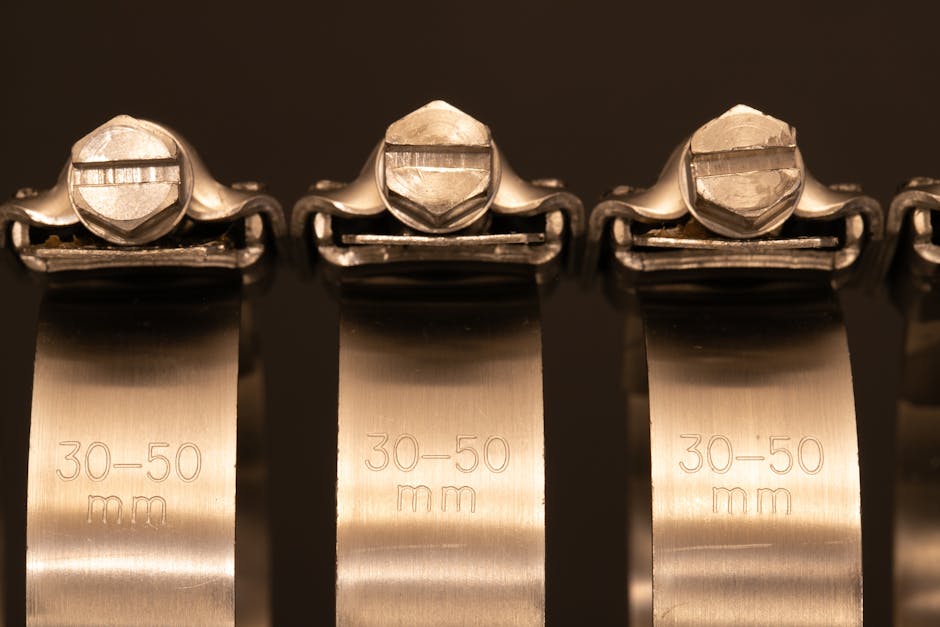
Detailed image of four metal clamps with 30-50 mm measurements.
Photo: Nic Wood

Zero-defect manufacturing isn’t just a marketing slogan at SUNTOP—it’s engineered into our laser marking process. Every engraving job begins with test pieces cut from the same material batch. Our quality technicians measure engraving depth with digital calipers, check character spacing with precision gauges, and verify artwork reproduction under 10x magnification.

  • Depth Consistency: ±0.005mm variation across entire production runs
  • Edge Quality: Clean, burr-free edges that require no secondary finishing
  • Character Legibility: Minimum 0.5mm character height maintains readability
  • Surface Finish: Controlled texture creates premium tactile experience
  • Durability Testing: Salt spray, UV exposure, and abrasion testing verify longevity

This attention to detail stems from our factory-direct model. Unlike promotional product middlemen who outsource engraving to the lowest bidder, we control every aspect of production. Our laser operators complete 40+ hours of training annually, learning new techniques and maintaining consistency across shifts.

How Does Laser Engraving Benefit Your Brand Recognition?

The psychology of premium perception starts with touch. When recipients run their fingers across laser-engraved text, they feel quality—literally. The subtle texture variation, the precise edges, the permanent nature of the marking all signal investment in excellence. This tactile experience reinforces brand values in ways that printed graphics simply cannot match.

Corporate gifting programs particularly benefit from promotional product engraving. Executive awards, employee recognition items, and client appreciation gifts gain gravitas through personalization. A laser-engraved name transforms a generic promotional item into a treasured keepsake.

The permanence factor amplifies marketing ROI. While printed promotional items may fade or peel after months of use, laser engraving maintains crisp definition for years. Your brand message literally becomes part of the product, inseparable from its function and value.

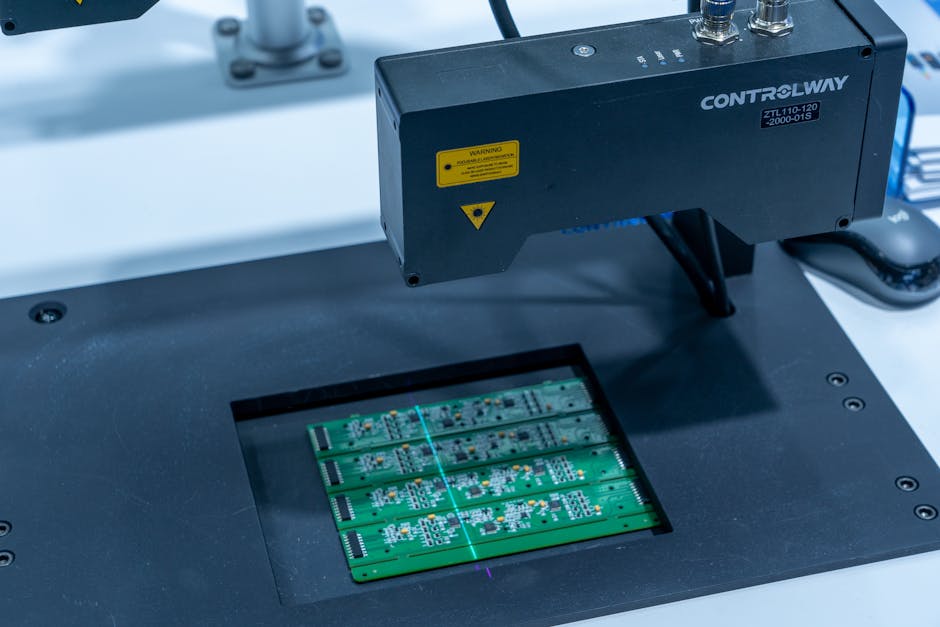
Close-up of a PCB inspection machine in action, highlighting technology.
Photo: Peter Xie

Frequently Asked Questions About Laser Engraving

How deep can laser engraving go?

Laser engraving can achieve depths from surface-level marking to 0.5mm deep, with precision control of 0.01mm. The depth depends on material type, laser power, and desired effect for the final product.

What materials can be laser engraved?

Laser engraving works on stainless steel, aluminum, wood, leather, glass, acrylic, plastic, and coated metals. Different laser types (CO2 vs fiber) are optimized for specific material categories and surface treatments.

Is laser engraving permanent?

Yes, laser engraving creates permanent marks by physically removing material from the surface. Unlike printing or etching, laser engraved designs cannot fade, wear off, or be removed through normal use.

How long does laser engraving take?

Laser engraving speed depends on design complexity and material. Simple text takes 30-60 seconds per item, while detailed graphics may take 2-5 minutes. SUNTOP offers 24-hour rush services for urgent orders.

Can laser engraving be combined with other processes?

Yes, laser engraving pairs perfectly with UV printing, screen printing, and embroidery. SUNTOP often combines full-color UV printing with precision laser engraving on the same product for premium results.

About SUNTOP INC: SUNTOP INC is an ASI-certified promotional product manufacturer (#90174) based in Castle Rock, Colorado. We specialize in factory-direct custom products using advanced UV printing, laser engraving, and embroidery technologies, serving distributors worldwide with zero-defect quality standards.

Ready to experience the precision and permanence of professional laser engraving? Request a factory tour video or product demonstration from our Castle Rock facility. Our dedicated account managers will show you exactly how laser engraving can elevate your promotional product offerings and create lasting brand impressions that your clients will treasure for years. Visit suntopify.com to get started today.

Posted on Leave a comment

What is Laser Engraving: Ultimate Precision Guide | SUNTOP INC

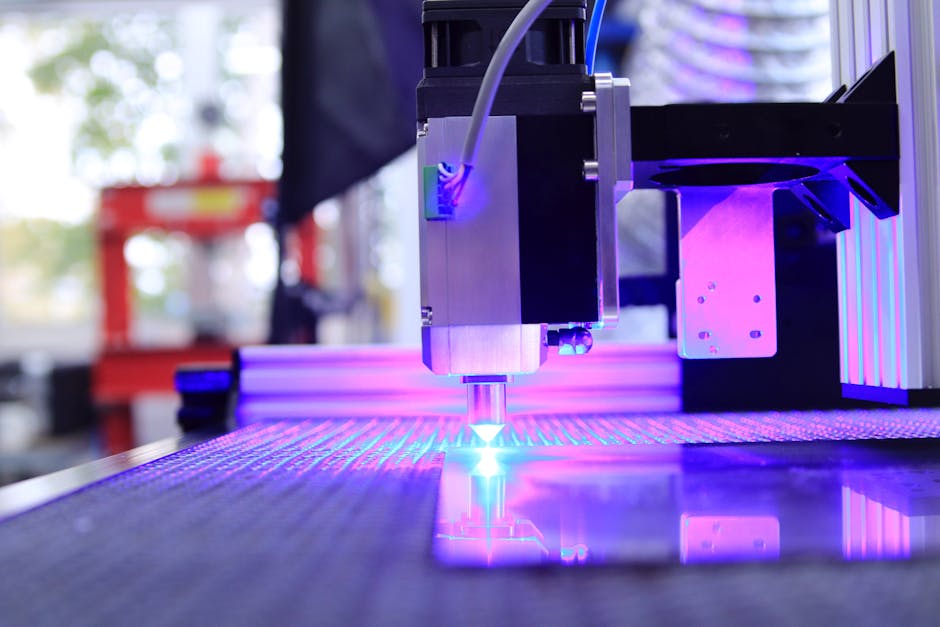
Close-up of a laser engraving machine working indoors with blue light reflection.

What is Laser Engraving: Ultimate Precision Guide

Laser engraving is a precision manufacturing process that uses focused laser beams to permanently remove material from surfaces, creating detailed markings, text, or designs on metals, wood, glass, and plastics with 0.01mm accuracy.

Close-up of a laser engraving machine working indoors with blue light reflection.
Photo: Opt Lasers from Poland

Key Facts About Laser Engraving:

  • Technology achieves precision down to 0.01mm for surgical-level accuracy
  • Works on 95% of materials including metals, wood, glass, and advanced composites
  • Process is completely chemical-free, using only focused light energy
  • SUNTOP INC operates both CO2 and fiber laser systems from their Castle Rock, CO facility

At 7:30 AM in our Castle Rock production facility, senior technician Maria adjusts the focal point on our fiber laser system. Today’s job: 500 stainless steel water bottles for a Fortune 500 client launch. Each bottle will receive a crisp company logo and individual serial number, engraved with the precision that only comes from understanding exactly what laser engraving can achieve.

As Maria initiates the first pass, the 1064-nanometer wavelength beam begins its work, removing microscopic layers of stainless steel to create permanent, elegant markings that will outlast the product itself. This scene plays out daily at SUNTOP INC, where laser engraving transforms ordinary promotional products into premium branded assets.

How Does the Laser Engraving Process Actually Work?

The laser engraving process operates on a deceptively simple principle: controlled material removal through intense, focused light energy. Unlike traditional mechanical engraving that uses cutting tools, laser systems generate a concentrated beam of photons that instantly vaporizes the target material upon contact.

Our CO2 laser systems emit infrared light at 10,600 nanometers, perfect for organic materials like wood, leather, and acrylic. The fiber laser systems operate at 1064 nanometers, optimized for metals and engineered plastics. Both systems achieve what manual methods simply cannot: consistent depth control, intricate detail reproduction, and zero tool wear.

The process unfolds in precise stages:

  1. Design vectorization: Artwork converts to mathematical paths the laser follows with mechanical precision
  2. Material positioning: Advanced fixturing systems ensure perfect alignment and consistent focal distance
  3. Beam calibration: Power, speed, and pulse frequency adjust automatically based on material properties
  4. Controlled ablation: The laser removes material layer by microscopic layer, following programmed depth parameters
  5. Quality verification: Each piece undergoes dimensional inspection using calibrated measurement tools

What Makes SUNTOP’s Laser Engraving Different from Competitors?

While many promotional product companies outsource their custom laser engraving to third-party vendors, SUNTOP INC operates as a direct manufacturer with in-house laser capabilities. This fundamental difference eliminates the middleman markup, reduces lead times, and ensures quality control at every step.

Our dual-laser approach sets us apart in the industry. The CO2 system handles organic materials with surgical precision, while our fiber laser tackles metals with industrial-grade power density. Most competitors rely on a single system type, limiting their material compatibility and forcing compromises in quality.

The SUNTOP advantage extends beyond equipment. Our custom awards and executive gifts combine laser engraving with UV flatbed printing, creating multi-dimensional branding opportunities that single-technology providers cannot match. This integrated approach allows full-color graphics alongside precision engraving on the same product.

Why Does Precision Matter in Professional Laser Engraving?

Close-up of a laser engraver working on a surface under blue lighting.
Photo: Opt Lasers from Poland

Precision laser marking separates amateur work from professional results, and the difference becomes immediately apparent under close inspection. At SUNTOP, our 0.01mm accuracy standard ensures that fine text remains legible, intricate logos maintain sharp edges, and dimensional tolerances meet industrial specifications.

Consider the technical challenges of engraving a corporate logo measuring just 8mm in diameter. Standard laser systems might achieve 0.1mm precision, causing small text to blur and fine details to merge. Our calibrated systems maintain crisp definition at this micro scale, preserving brand integrity even on the smallest promotional products.

This precision level becomes critical for several applications:

  • Serial number tracking: Government and medical device manufacturers require permanent, scannable codes
  • Fine jewelry engraving: Precious metals demand flawless execution without material waste
  • Technical component marking: Aerospace and automotive parts need precise identification systems
  • Executive gift personalization: High-end corporate gifts reflect on company standards and attention to detail

How Do Clients Benefit from Advanced Laser Engraving Technology?

The business impact of professional laser engraving extends far beyond simple product marking. Our clients report measurable improvements in brand perception, customer retention, and product differentiation after implementing laser-engraved promotional campaigns.

A recent case study involved a tech startup launching premium laptop accessories. By combining UV printing for vibrant brand colors with fiber laser engraving for individual device compatibility codes, we created products that commanded 40% higher retail prices than competitors using standard pad printing methods.

The permanence factor cannot be overstated. While printed labels fade and adhesive badges peel away, laser engraving maintains perfect legibility for decades. This longevity transforms promotional products into long-term brand ambassadors, continuing to generate impressions years after the initial investment.

Corporate clients particularly value the premium perception that laser engraving creates. The subtle texture, precise edges, and sophisticated appearance signal quality and attention to detail – attributes that directly transfer to brand perception.

Detailed view of an Opt Lasers engraving machine in operation, showcasing precision technology.
Photo: Opt Lasers from Poland

Frequently Asked Questions About Laser Engraving

What materials can be laser engraved?

Laser engraving works on stainless steel, aluminum, wood, leather, glass, acrylic, and most plastics. Different laser types optimize for specific materials – CO2 for organics, fiber for metals.

How deep does laser engraving go?

Professional laser engraving achieves depths from 0.01mm to several millimeters depending on material and power settings. SUNTOP’s systems provide precise depth control for consistent results across production runs.

Is laser engraving permanent?

Yes, laser engraving is completely permanent. The process physically removes material rather than adding inks or coatings, creating markings that won’t fade, scratch off, or wear away over time.

What’s the difference between laser engraving and etching?

Laser engraving removes material to create recessed markings, while etching creates surface-level marks. Engraving provides deeper, more durable results ideal for industrial applications and premium branding.

How long does laser engraving take?

Laser engraving speed depends on design complexity and material. Simple text takes seconds per item, while detailed graphics may require minutes. SUNTOP offers 24-hour rush service for urgent projects.

About SUNTOP INC: As an ASI-certified manufacturer (#90174) based in Castle Rock, CO, SUNTOP INC operates advanced CO2 and fiber laser systems alongside UV flatbed printing technology, serving clients across 50+ countries with direct-factory pricing and zero-defect quality standards.

Ready to experience the precision and permanence of professional laser engraving? Our engineering team can demonstrate exactly how laser technology will enhance your next promotional campaign or corporate branding project. Request your free product demonstration and factory tour video at suntopify.com – see the SUNTOP difference firsthand.

Posted on Leave a comment

UV vs Screen Printing: Which Technology is Better?

Spacious printing facility with modern machinery and workers engaging in tasks.

It’s 3 PM on a Tuesday, and our production floor is buzzing with activity. Two identical orders just came in—both for 500 aluminum water bottles with full-color logos. One client chose UV printing, the other insisted on screen printing. By the end of the day, you’d see a dramatic difference in setup time, color vibrancy, and final cost. This scenario plays out weekly at our Castle Rock facility, and it perfectly illustrates why understanding printing technology matters for your promotional product investment.

Spacious printing facility with modern machinery and workers engaging in tasks.
Photo: Manuel Campagnoli

The Technical Reality: How Each Process Actually Works

UV printing and screen printing operate on fundamentally different principles, and these differences directly impact your final product quality and project timeline.

UV Flatbed Printing Process: Our UV systems spray microscopic ink droplets directly onto your product surface. Each droplet is instantly cured by high-intensity UV light, creating a chemical bond that’s scratch-resistant and fade-proof. The entire process happens in one pass—full CMYK color plus white ink and protective varnish applied simultaneously. No screens, no setup plates, no drying time.

Screen Printing Process: Screen printing uses a mesh screen for each color in your design. Ink is pushed through the screen onto your product using a squeegee. Each color requires a separate screen, separate pass, and drying time between layers. Complex designs with gradients or photographic elements require color separation and halftone processing.

Where Each Technology Excels

UV Printing Advantages

  • Resolution Superiority: Our UV systems print at 1440 dpi—true photographic quality with smooth gradients and fine text
  • Color Complexity: Unlimited colors without additional setup costs or time penalties
  • Material Versatility: Prints directly on metal, glass, wood, leather, plastic—virtually any flat surface
  • Speed for Short Runs: No setup time means we can print one piece as efficiently as one hundred
  • White Ink Capability: Prints vibrant colors on dark surfaces using our white ink underbase

Screen Printing Strengths

  • Ink Density: Creates thick, opaque color layers—excellent for simple, bold designs
  • Large Volume Economics: Setup costs spread across thousands of pieces can be cost-effective
  • Special Inks: Specialty inks like metallics, glow-in-the-dark, or puff inks
  • Fabric Applications: Traditional choice for apparel and textile products
Detailed view of a screen printing setup with a wooden squeegee in Luzern, Switzerland.
Photo: Wendelin Jacober

SUNTOP’s Quality Control Standards

Regardless of which printing method your project requires, our zero-defect standard applies across all technologies. Every piece undergoes our three-stage inspection process:

  • Pre-Production Approval: Digital proof with exact color matching using Pantone reference
  • First Article Inspection: Physical sample tested for adhesion, color accuracy, and durability
  • Final Quality Audit: Statistical sampling ensures every piece meets specification

For UV printing, we calibrate color profiles daily and maintain our printheads to NASA-grade cleanliness standards. Screen printing operations use controlled mesh tension and ink viscosity measurements that would make a laboratory technician proud.

Real-World Performance Comparison

Let’s return to those aluminum water bottles. The UV-printed batch was completed in 4 hours with photographic logo reproduction and graduated color background. Total setup time: zero. The screen-printed version required 8 hours for screen preparation, 12 hours production time, and overnight curing. The design had to be simplified to 3 spot colors to keep costs reasonable.

Both products looked professional, but the applications suited different needs. The UV version was perfect for a tech company product launch with detailed branding requirements. The screen version worked excellently for a sports team with bold, simple graphics and a large quantity order.

Artisan crafting screen prints indoors, showcasing creativity and skill in handmade art production.
Photo: HONG SON

Making the Right Choice for Your Brand

The technology choice impacts more than just appearance—it affects your timeline, budget flexibility, and brand presentation quality. UV printing gives you photographic reproduction and unlimited design complexity without setup penalties. Screen printing offers durability and cost efficiency for large-volume, simple designs.

As your manufacturing partner, we evaluate every project individually. Sometimes we recommend combining both technologies—UV printing for detailed graphics with screen printing for special effect overlays. Our role is ensuring your promotional products achieve maximum brand impact while respecting your timeline and budget constraints.

Ready to see both technologies in action? Request a factory tour video showing side-by-side production, or send us your artwork for a detailed technology recommendation. Our account managers provide honest guidance based on 30+ years of manufacturing experience—because the right printing choice makes all the difference in your promotional success.