UV vs Screen Printing: 5 Key Differences Revealed
The short answer is: UV printing excels for complex designs, variable data, and small quantities with no setup costs, while screen printing remains cost-effective for large runs of simple designs with vibrant colors.
Key Facts About UV vs Screen Printing:
- UV printing achieves 1440 dpi resolution — 10x sharper than screen printing
- Screen printing setup takes 2-4 hours; UV printing starts immediately
- SUNTOP processes over 10,000 UV printed items monthly in Castle Rock, CO
- Both methods available with 24-hour rush service and zero-defect guarantee
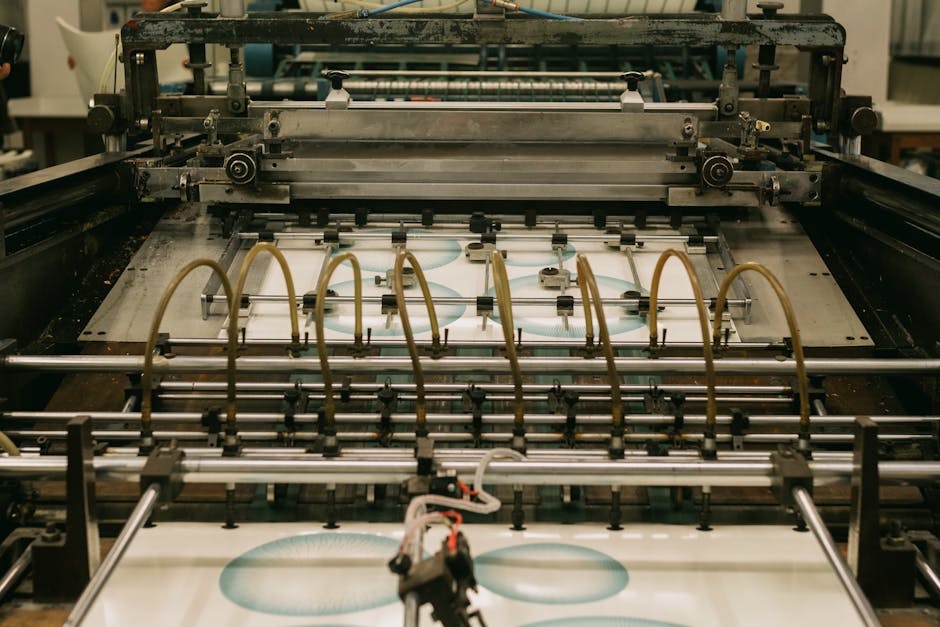
At 7 AM sharp in our Castle Rock facility, two production lines fire up simultaneously. On the left, our UV flatbed printers begin their precise digital dance across promotional products — no screens, no setup, just pure digital precision. On the right, our screen printing team carefully positions mesh screens, mixing custom Pantone colors for a 5,000-piece corporate order.
This daily scene perfectly illustrates the fundamental choice facing every brand launch: UV vs screen printing. Both technologies live under our roof, and after producing millions of branded items, we’ve learned exactly when each method delivers superior results.
What Makes UV Printing Superior for Complex Designs?
UV flatbed printing transforms digital artwork into physical reality without compromise. Unlike screen printing, which requires separate screens for each color, UV printing reproduces your entire design — gradients, photographs, fine text — in a single pass.
Our UV systems cure ink instantly using LED lights, creating a scratch-resistant, fade-proof finish that bonds permanently with virtually any surface. Metal business card holders, glass awards, leather portfolios — materials that challenge traditional screen printing become UV printing opportunities.
The game-changer? Variable data printing. Each item can feature unique names, numbers, or messages without stopping production. Imagine 500 employee recognition awards, each personalized, completed in the same time traditional methods produce 50 identical pieces.
How Does Screen Printing Achieve Unmatched Color Vibrancy?
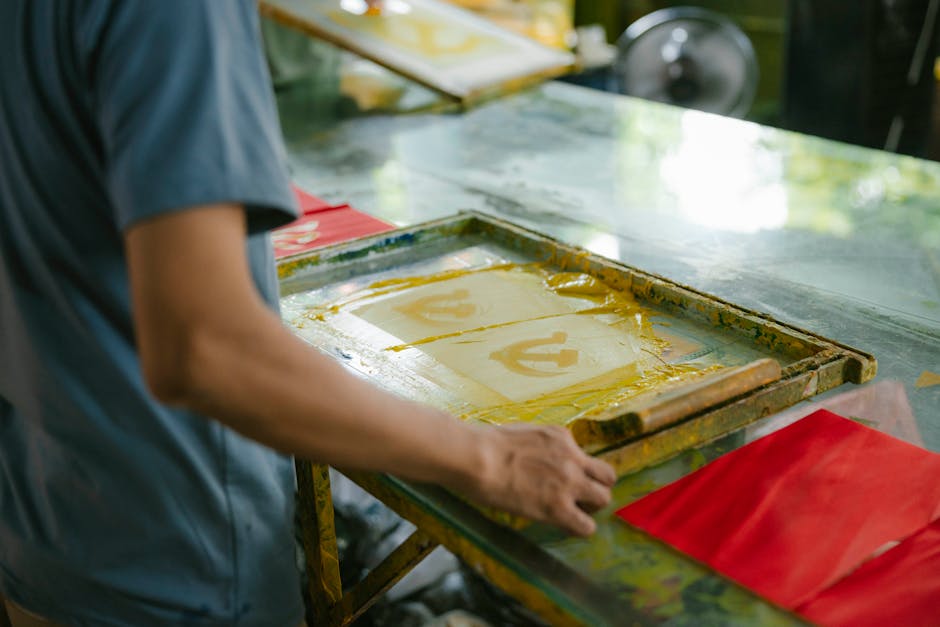
Screen printing remains the undisputed champion for bold, vibrant colors — especially on textiles. The thick ink deposits create rich, opaque coverage that UV printing, despite its precision, cannot fully replicate on fabric surfaces.
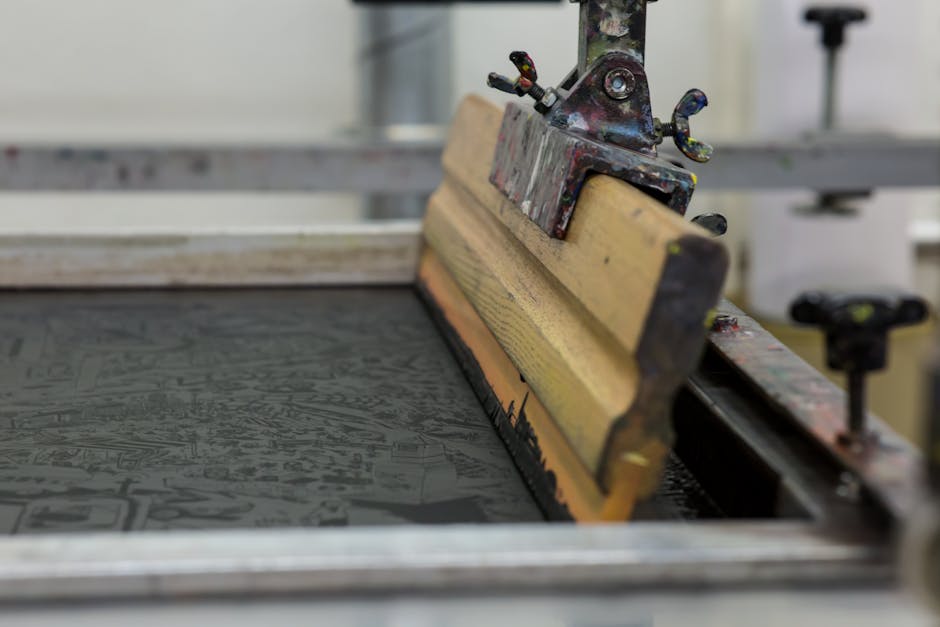
Here’s our 5-step screen printing mastery process:
- Custom screen creation using precise mesh counts (80-400 threads per inch)
- Pantone color matching with proprietary ink mixing formulas
- Registration alignment ensuring perfect multi-color registration
- Controlled squeegee pressure and speed for consistent ink deposit
- Forced-air drying or heat curing for permanent adhesion
For orders exceeding 500 units with simple artwork, screen printing delivers unbeatable per-piece economics. The setup investment spreads across more units, making each item progressively more cost-effective.
Why Does Production Speed Vary Between Methods?
Speed tells two different stories. UV printing wins the sprint — your artwork uploads digitally and printing begins immediately. No screens to burn, no color mixing, no registration setup. Rush orders that arrive at 2 PM can ship the same day.
Screen printing wins the marathon. After initial setup, our experienced operators maintain consistent speeds of 200-400 pieces per hour, depending on design complexity. The upfront time investment pays dividends on large quantities.
Consider a recent client scenario: 50 executive gifts needed for next-day delivery versus 2,000 trade show giveaways with a two-week timeline. UV printing handled the executive gifts seamlessly, while screen printing optimized costs for the trade show order.
Which Surfaces Work Best with Each Method?
Surface compatibility reveals each method’s true strengths. UV printing thrives on diverse materials that challenge traditional approaches:
- Glass: Perfect adhesion without primer, crystal-clear results
- Metal: Direct printing on aluminum, stainless steel, and coated surfaces
- Wood: Preserves natural grain while adding vibrant graphics
- Acrylic: Creates stunning transparent effects with white ink backing
- Leather: Flexible inks that move with the material
Screen printing excels on traditional promotional surfaces: cotton apparel, canvas bags, flat plastics, and smooth ceramics. The physical squeegee action requires cooperative surfaces that won’t damage under pressure.
How Do Long-Term Durability Results Compare?
Both methods pass our zero-defect durability standards, but through different mechanisms. UV inks polymerize into plastic-like films that resist scratching, fading, and chemical exposure. Our outdoor weathering tests show minimal color shift after 1,000 hours of UV exposure.
Screen printing achieves durability through ink penetration and chemical bonding. Properly cured screen inks become part of the substrate, especially on textiles. Custom apparel maintains color integrity through hundreds of wash cycles.
The decisive factor? Application environment. UV printing dominates outdoor signage, industrial nameplates, and premium gift items. Screen printing leads in washable textiles and high-volume promotional items.
Frequently Asked Questions About UV vs Screen Printing
What is the main difference between UV and screen printing?
UV printing uses digital inkjet technology to print directly onto surfaces with no setup, while screen printing uses mesh screens and squeegees, requiring setup but offering lower per-unit costs for large quantities.
Which printing method is faster for small orders?
UV printing is significantly faster for small orders because it requires no screen setup or drying time. Products can be completed within hours versus days for screen printing setup.
Can UV printing match screen printing’s color vibrancy?
Yes, UV printing delivers comparable color vibrancy with superior detail resolution up to 1440 dpi. UV inks are also more durable and fade-resistant than traditional screen inks.
What surfaces work best with each printing method?
UV printing works on virtually any flat surface including metal, glass, and textured materials. Screen printing is limited to smooth, flat surfaces that can withstand squeegee pressure.
Which method offers better cost per piece for large orders?
Screen printing typically offers lower per-piece costs for quantities over 500 units due to efficient ink usage, while UV printing maintains consistent pricing regardless of quantity.
About SUNTOP INC: SUNTOP INC operates as an ASI-certified manufacturer (#90174) from our Castle Rock, Colorado facility, providing direct factory pricing on UV flatbed printing and screen printing services. Our zero-defect quality standards and 24-hour rush capabilities serve clients across 50+ countries with dedicated account management.
Ready to see both printing methods in action? Request a free factory tour video showcasing our UV and screen printing capabilities, or get your custom quote with free artwork consultation. Visit suntopify.com to discover which printing method delivers optimal results for your brand launch.