Posted on Leave a comment

UV Flatbed Printing: 5 Precision Advantages | SUNTOP INC

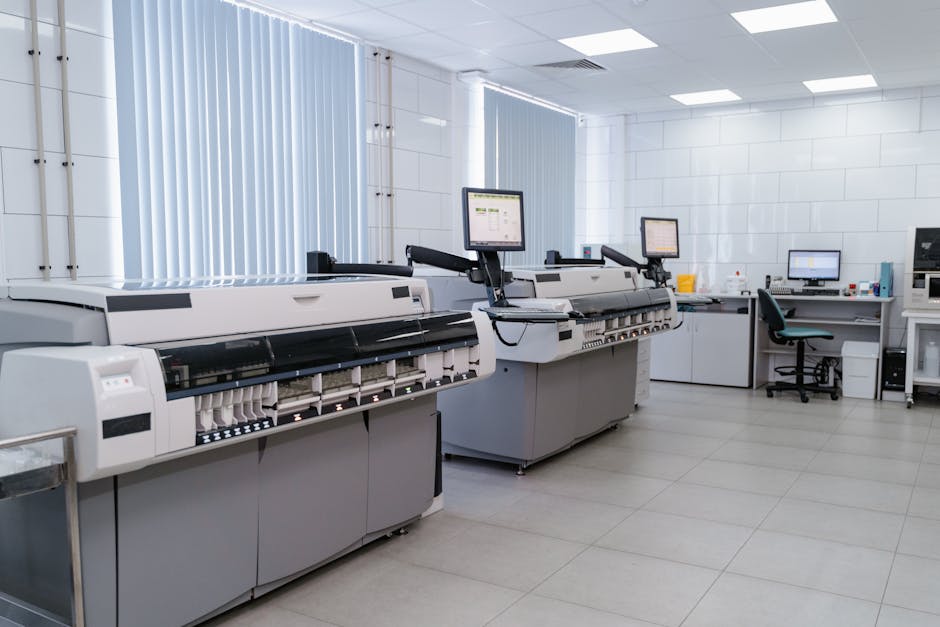
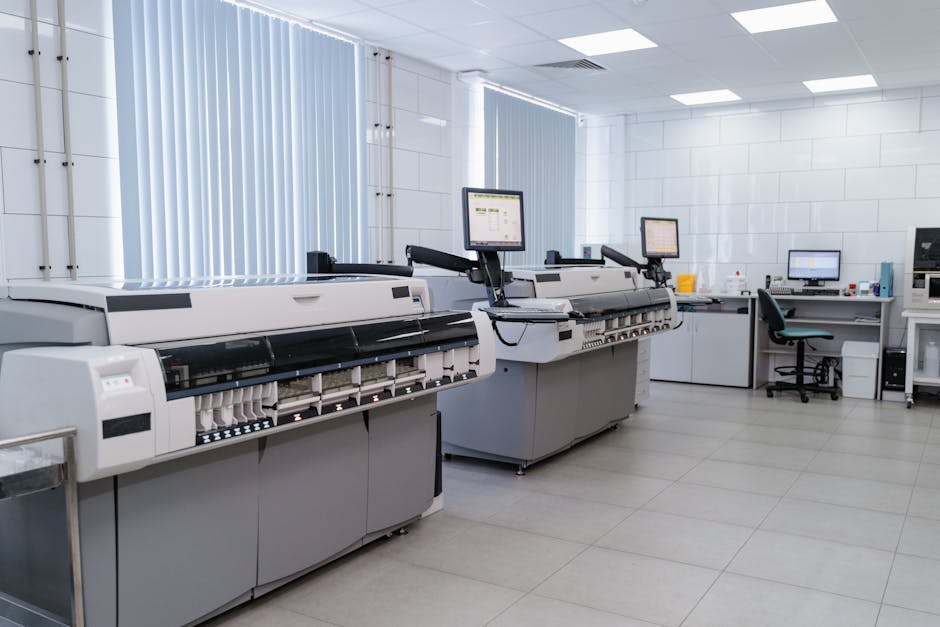
Spacious modern laboratory featuring advanced printing equipment and workstations.

UV Flatbed Printing: 5 Precision Advantages for Your Brand

Featured Answer: The short answer is: UV flatbed printing is a digital printing technology that uses ultraviolet light to instantly cure ink while printing directly onto virtually any flat surface, including metal, glass, wood, and plastic up to 4 inches thick.

Spacious modern laboratory featuring advanced printing equipment and workstations.
Photo: Tima Miroshnichenko

Key Facts About UV Flatbed Printing:

  • SUNTOP INC operates advanced UV flatbed systems capable of 1440 dpi photographic resolution
  • Technology prints on substrates up to 4 inches thick with full CMYK + white ink + varnish
  • UV-cured inks are scratch-resistant, fade-resistant, and completely eco-friendly
  • Zero setup fees make it perfect for both short runs and bulk production orders

What Makes UV Flatbed Printing Different from Traditional Methods?

Walk into SUNTOP’s Castle Rock facility at 7 AM, and you’ll witness something remarkable: a promotional award being printed directly onto a piece of brushed aluminum, with no transfer paper, no heat press, and no waiting time. The UV flatbed printing process happens in real-time, with ultraviolet lights instantly curing each drop of ink as it hits the surface.

Traditional printing methods require multiple steps—printing on transfer media, applying heat and pressure, then hoping the image adheres properly. UV flatbed printing eliminates these variables entirely. The ink bonds directly to the substrate at the molecular level, creating a permanent, durable finish that won’t peel, crack, or fade.

This direct-to-substrate approach means we can print on materials that would be impossible with conventional methods. Textured surfaces, thick materials, and even items with slight curves can receive full-color, high-resolution graphics without compromise.

How Does SUNTOP’s UV Flatbed Technology Achieve 1440 DPI Resolution?

Precision is everything in UV flatbed printing, and SUNTOP’s approach to achieving photographic quality involves five critical factors working in perfect harmony:

  1. Piezoelectric Print Heads: Our industrial-grade print heads place each droplet with microscopic accuracy, creating smooth color transitions and razor-sharp text
  2. Variable Drop Technology: Different sized ink droplets (from 1.5 to 21 picoliters) blend seamlessly to produce photographic gradients
  3. White Ink Foundation: A base layer of white ink ensures color vibrancy on dark or transparent substrates
  4. Instant UV Curing: LED-UV lights cure each color layer immediately, preventing ink bleeding and maintaining crisp detail
  5. Automated Height Sensing: Laser sensors map substrate thickness and adjust print head height for consistent results across the entire surface

This combination allows SUNTOP to reproduce complex logos, detailed photography, and fine text on custom awards and promotional products with exceptional clarity.

Why Do SUNTOP’s UV-Cured Inks Last Longer?

The secret lies in the chemistry. Traditional solvent-based or water-based inks dry through evaporation—solvents escape, leaving behind pigments and binders that can be vulnerable to environmental factors. UV-cured inks undergo a completely different process called polymerization.

When our UV lights hit the specially formulated ink, photoinitiators trigger an instant chemical reaction that cross-links the polymer molecules. This creates an incredibly durable plastic film that’s chemically bonded to the substrate. The result? Graphics that withstand outdoor weather, frequent handling, and industrial cleaning without degradation.

SUNTOP INC, an ASI-certified manufacturer (#90174) based in Castle Rock, CO, has documented UV-printed promotional products maintaining their original vibrancy after five years of outdoor exposure—a testament to this superior ink technology.
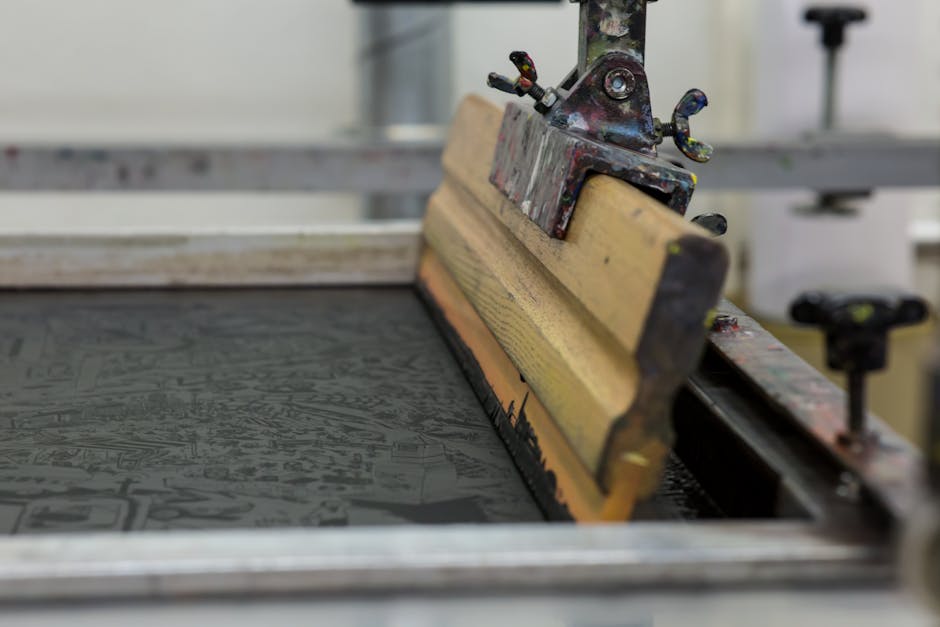
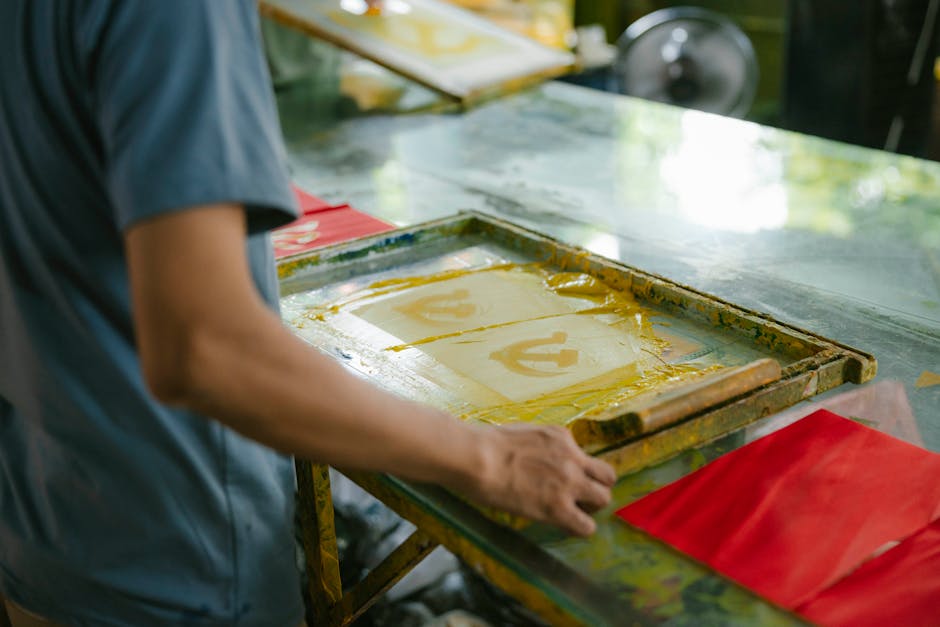
Detailed view of a screen printing setup with a wooden squeegee in Luzern, Switzerland.
Photo: Wendelin Jacober

What Quality Control Standards Does SUNTOP Maintain?

Quality control in UV flatbed printing starts before the first drop of ink hits the substrate. Our zero-defect standard requires systematic verification at every stage:

  • Pre-flight Inspection: Digital artwork is analyzed for resolution, color space, and printability issues
  • Substrate Preparation: Each item is cleaned with isopropyl alcohol and checked for surface defects
  • Test Print Protocol: Every job begins with a test print on matching substrate material
  • Color Matching Verification: Spectrophotometer readings ensure color accuracy within Delta E 2.0 standards
  • Cure Testing: Tape adhesion tests verify proper UV cure on every production run
  • Final QC Inspection: Each finished piece undergoes visual inspection under standardized lighting

This systematic approach allows SUNTOP to maintain consistent quality whether producing a single prototype or 10,000 custom tech accessories.

How Does UV Flatbed Printing Benefit Your Brand Launch?

For businesses launching new brands or products, UV flatbed printing offers unique advantages that traditional promotional product decoration simply cannot match. The ability to print directly onto premium materials like brushed metal, genuine leather, or bamboo creates an elevated brand experience that customers notice immediately.

Consider the impact: your logo reproduced in photographic quality on a sleek aluminum phone stand, or your brand message printed directly onto a sustainable bamboo notebook cover. These aren’t just promotional items—they become conversation starters that reinforce your brand’s attention to detail and commitment to quality.

The no-setup-fee advantage means you can test different designs, materials, and quantities without the traditional cost barriers. Launch with 50 units for a trade show, then scale to thousands for a national campaign—all with identical quality and consistency.
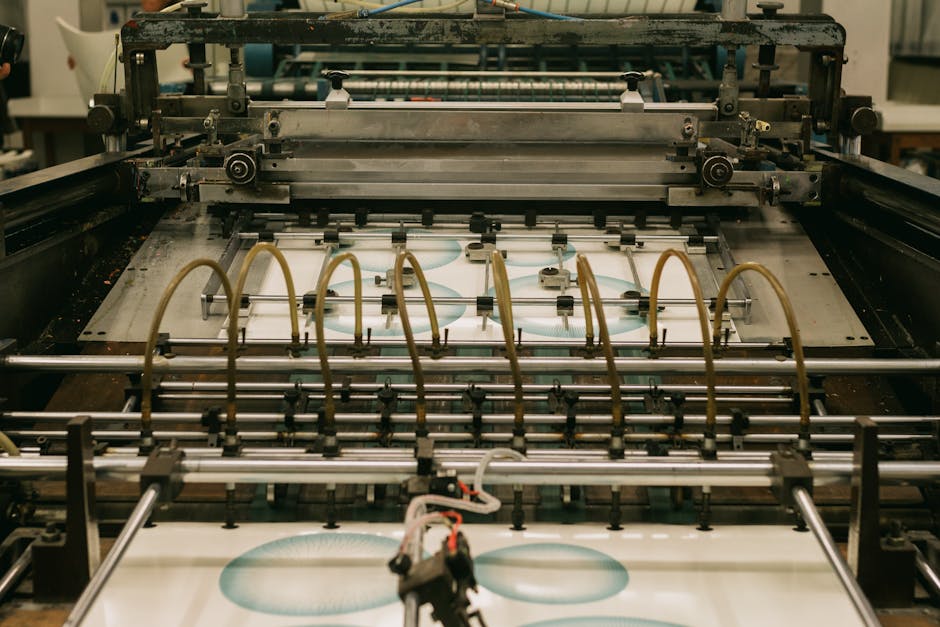
Close-up of an industrial printing press producing designs.
Photo: João Jesus

Frequently Asked Questions About UV Flatbed Printing

What materials can UV flatbed printing print on?

UV flatbed printing works on virtually any flat surface including metal, glass, wood, leather, plastic, acrylic, and ceramic materials up to 4 inches thick with exceptional adhesion.

How does UV curing work in flatbed printing?

UV curing uses ultraviolet light to instantly polymerize specially formulated inks, creating a durable, scratch-resistant finish that bonds permanently to the substrate without heat or solvents.

What resolution can UV flatbed printers achieve?

Modern UV flatbed printers can achieve resolutions up to 1440 dpi, delivering photographic-quality images with sharp text and smooth color gradients for professional promotional products.

Is UV flatbed printing environmentally friendly?

Yes, UV flatbed printing is eco-friendly as it uses no volatile organic compounds (VOCs), requires no drying time, produces minimal waste, and the UV-cured inks are non-toxic.

Can UV flatbed printing handle small quantities?

Absolutely. UV flatbed printing excels at short runs with no setup fees or minimum quantities, making it perfect for prototypes, samples, and custom one-off promotional items.

About SUNTOP INC: SUNTOP INC is an ASI and SAGE certified promotional products manufacturer (#90174) based in Castle Rock, Colorado. As a direct factory with advanced UV flatbed printing capabilities, SUNTOP delivers precision-quality promotional products with factory-direct pricing and global shipping to over 50 countries.

Ready to see UV flatbed printing in action? Request a factory tour video or product demonstration at suntopify.com and discover how this precision technology can elevate your next promotional campaign.
Posted on Leave a comment

UV vs Screen Printing: Which is Better for Your Business | SUNTOP INC

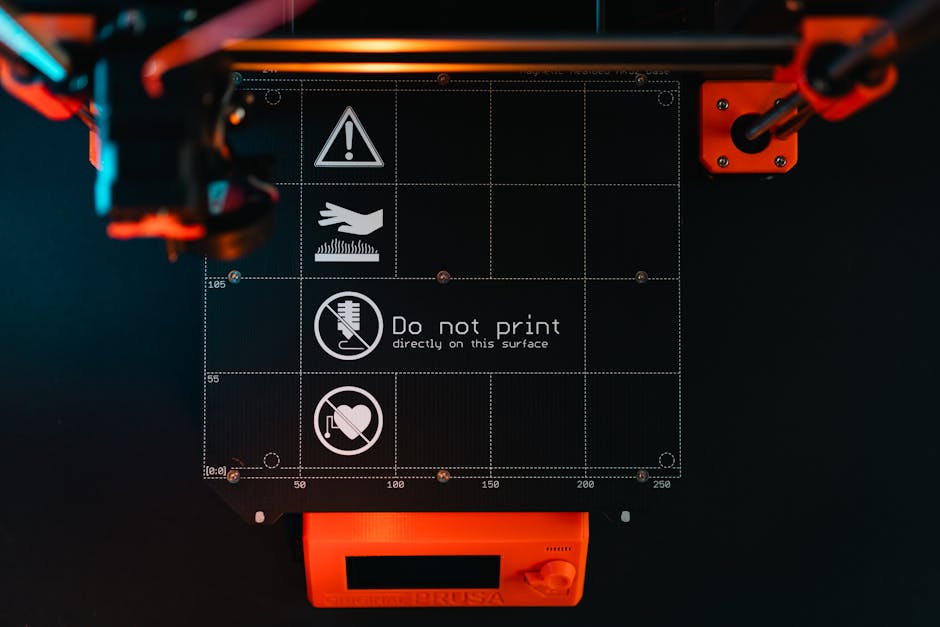
3D printer build plate with warning symbols, showcasing high-tech equipment in a workspace.

UV vs Screen Printing: Which is Better for Your Business

UV printing is superior to screen printing for most promotional products because it offers higher resolution (1440 dpi), no setup costs, faster turnaround, and the ability to print on any flat surface with photographic quality results.

3D printer build plate with warning symbols, showcasing high-tech equipment in a workspace.
Photo: Jakub Zerdzicki

Key Facts:

  • UV printing achieves 1440 dpi resolution compared to screen printing’s 85-120 dpi maximum
  • Screen printing requires $50-200 setup fees per color; UV printing has zero setup costs
  • UV-cured inks last 5-7 years outdoors versus 2-3 years for screen printing inks
  • SUNTOP INC’s UV flatbed systems print on items up to 4 inches thick with precision quality control

It’s 2 PM at our Castle Rock facility, and our production floor tells two different stories. On one side, a traditional screen printing operation carefully aligns a fourth color pass for a simple logo design. The setup took three hours, and they’re finally ready to start the actual printing run. On the other side, our UV flatbed printer just finished a complex, full-color design on metal water bottles — 500 units completed in 90 minutes, start to finish.

This scene plays out daily, highlighting why the UV vs screen printing debate has already been settled for most promotional product applications. While both technologies have their place, UV printing has revolutionized how we approach custom drinkware and promotional items with unmatched versatility and quality.

What Makes UV Printing Technology Superior?

UV flatbed printing represents the evolution of digital printing technology. Unlike screen printing, which forces ink through mesh screens using squeegees, UV printing uses precision inkjet heads to deposit UV-curable inks directly onto surfaces. The magic happens when UV lamps instantly cure the ink, creating a durable, scratch-resistant finish that bonds permanently to the substrate.

The technology difference is profound. Screen printing relies on physical stencils — one screen per color — limiting design complexity and requiring perfect registration between colors. UV printing operates like a sophisticated computer printer, capable of reproducing photographic images, gradients, and unlimited colors in a single pass.

Our UV systems at SUNTOP achieve 1440 x 1440 dpi resolution — that’s photographic quality that makes text crisp and images vibrant. Screen printing maxes out around 85-120 dpi, depending on the mesh count used. The visual difference is immediately apparent, especially on detailed logos or images with fine text.

How Do Setup Costs and Speed Compare Between Methods?

The economics tell a clear story. Screen printing front-loads costs into setup and preparation, making it economical only for large runs. Here’s the breakdown:

  1. Screen Creation: Each color requires a separate screen costing $50-200 to create
  2. Registration Setup: Aligning multiple colors can take 2-4 hours
  3. Color Mixing: Custom ink colors must be mixed and tested
  4. Production Run: Actual printing is fast once setup is complete
  5. Cleanup: Screens must be cleaned and reclaimed after each job

UV printing eliminates these bottlenecks entirely. Files go directly from computer to printer with no physical setup. A complex, six-color design prints as easily as a simple one-color logo. For our clients, this means same-day turnaround becomes possible, and small quantity orders become profitable.

The speed advantage extends beyond setup. While screen printing requires separate passes for each color (with drying time between passes), UV printing completes full-color designs in one pass. A typical job that takes 8 hours on screen printing equipment finishes in 2 hours on UV systems.

Why Does Material Compatibility Matter for Your Projects?

Material limitations reveal another critical advantage of UV technology. Screen printing works well on porous, relatively flat surfaces like t-shirts, paper, and some plastics. But it struggles with non-porous materials and textured surfaces.

UV printing thrives on materials that challenge screen printing: stainless steel, glass, leather, wood, ceramics, and rigid plastics. Our UV flatbed systems print on items up to 4 inches thick, opening possibilities for dimensional products that screen printing simply cannot handle.

This versatility matters for promotional product manufacturers. A single UV system can handle tech accessories, drinkware, awards, signage, and specialty items. Screen printing would require different equipment and setups for each material type.

Artisan crafting screen prints indoors, showcasing creativity and skill in handmade art production.
Photo: HONG SON

How Does Print Quality and Durability Compare?

Quality assessment reveals UV printing’s technical superiority across multiple metrics:

  • Resolution: UV printing delivers 1440 dpi versus screen printing’s 85-120 dpi maximum
  • Color Accuracy: CMYK + white ink produces consistent, repeatable colors
  • Detail Reproduction: Fine text remains sharp; gradients print smoothly
  • Edge Definition: Crisp, clean edges without the slight bleeding common in screen printing
  • Consistency: Digital files ensure identical output across entire production runs

Durability testing shows UV-cured inks outperform traditional screen printing inks in key areas. UV inks cure to a harder, more scratch-resistant surface and show superior fade resistance under UV exposure. Independent testing demonstrates 5-7 year outdoor durability for UV prints versus 2-3 years for screen printed items.

The chemical bond between UV ink and substrate also proves stronger. UV inks polymerize and cross-link during curing, creating molecular bonds that resist peeling and flaking better than the mechanical adhesion of screen printing inks.

What Does This Mean for Your Business and Clients?

The technology choice directly impacts your bottom line and client satisfaction. UV printing’s advantages translate into business benefits that screen printing cannot match.

Faster turnaround times mean you can accept rush orders and charge premium rates. Zero setup costs make small quantity orders profitable, expanding your addressable market. Superior print quality reduces rejection rates and reprints, improving margins.

For clients, UV printing means better-looking products that last longer. The ability to print photographic images opens creative possibilities that differentiate their promotional campaigns. Consistent quality across production runs ensures their brand looks professional every time.

Material versatility also matters competitively. When clients request printing on unique substrates, UV capability means you can say “yes” while screen printing limitations force competitors to decline or outsource.

Close-up of folded Sigma brochures showcasing product images and design, ideal for marketing.
Photo: cami

Frequently Asked Questions About UV vs Screen Printing

What is the main difference between UV and screen printing?

UV printing uses digital inkjet technology to print directly onto surfaces with up to 1440 dpi resolution, while screen printing uses mesh screens to push ink through stencils, limiting detail and requiring setup for each color.

Which printing method is more cost-effective for small orders?

UV printing is more cost-effective for small orders because it requires no setup fees or minimum quantities, while screen printing requires expensive screen setup that only becomes economical at higher volumes.

Can UV printing match screen printing durability?

Yes, UV-cured inks are actually more durable than traditional screen printing inks, offering superior scratch resistance, fade resistance, and weatherproof properties that last longer in outdoor conditions.

What materials can each printing method work on?

UV printing works on virtually any flat surface including metal, glass, wood, leather, and plastic. Screen printing is limited to porous materials like fabric, paper, and some plastics.

Which method offers better color accuracy and detail?

UV printing delivers photographic quality with full CMYK color gamut and fine detail reproduction. Screen printing is limited by mesh count and cannot reproduce gradients or photographic images effectively.

SUNTOP INC, an ASI-certified manufacturer (#90174) based in Castle Rock, CO, operates state-of-the-art UV flatbed printing systems alongside laser engraving and traditional printing methods. Our factory-direct approach eliminates middlemen while maintaining zero-defect quality standards across all technologies.

Ready to see the UV printing difference for yourself? Request a free quote or schedule a virtual factory tour to watch our UV systems in action. Experience firsthand why leading promotional product companies choose SUNTOP for superior quality and unmatched turnaround times.

Posted on Leave a comment

UV Flatbed Printing: 5 Advanced Benefits for Business | SUNTOP INC

Spacious modern laboratory featuring advanced printing equipment and workstations.

UV Flatbed Printing: 5 Advanced Benefits for Business | SUNTOP INC

UV flatbed printing is a digital printing technology that uses ultraviolet light to instantly cure ink as it prints directly onto virtually any flat surface up to 4 inches thick, delivering photographic-quality results at up to 1440 DPI resolution.

Spacious modern laboratory featuring advanced printing equipment and workstations.
Photo: Tima Miroshnichenko

Key Facts About UV Flatbed Printing:

  • Prints directly on 50+ material types without pre-treatment
  • UV-cured inks provide 10+ year outdoor durability rating
  • Zero setup fees make single-piece orders economically viable
  • SUNTOP INC operates 24/7 production in Castle Rock, CO facility
The hum of precision machinery fills SUNTOP’s 15,000-square-foot Castle Rock facility as our latest UV flatbed printer positions a brushed aluminum laptop case for branding. Within seconds, full-color corporate logos appear with photographic clarity, each detail sharp enough to read fine print from arm’s length. This is UV flatbed printing in action—a technology revolutionizing how businesses approach custom branding and promotional products.

What Makes UV Flatbed Printing Different from Traditional Methods?

Unlike screen printing or digital transfer methods, UV flatbed printing eliminates the middleman steps that traditionally separate artwork from finished product. Our industrial UV flatbed systems print directly onto materials ranging from 0.1mm thin films to 4-inch thick substrates, using ultraviolet light to instantly cure specialized inks upon contact.

The process begins when CMYK inks, white ink, and protective varnish are precisely deposited through microscopic nozzles. Immediately afterward, high-intensity UV lamps cure these inks into a permanent, chemical bond with the substrate surface. This instantaneous curing process eliminates drying time, prevents ink migration, and creates the scratch-resistant durability that makes UV-printed products suitable for demanding applications.

Traditional printing methods require screens, plates, or transfer materials—each adding cost, time, and potential quality variations. SUNTOP’s direct-to-substrate approach means your artwork travels straight from digital file to finished product, maintaining color accuracy and detail integrity throughout the entire process.

How Does SUNTOP’s 5-Step Quality Control Process Work?

Every UV flatbed printing project at SUNTOP follows our zero-defect quality control protocol, developed through 15 years of manufacturing precision promotional products. Our systematic approach ensures consistent results whether producing a single prototype or 10,000-piece corporate orders.

  1. Pre-Flight Analysis: Digital artwork undergoes automated color profile conversion and resolution optimization to match our UV ink specifications
  2. Material Preparation: Each substrate receives surface inspection and alignment verification using laser positioning systems
  3. Test Print Calibration: Small-area test prints confirm color accuracy, adhesion quality, and cure completeness before full production
  4. Production Monitoring: Real-time sensors monitor ink density, UV lamp intensity, and substrate positioning throughout the entire print run
  5. Final Inspection: Each completed piece undergoes visual quality assessment and durability testing before packaging

This methodical approach allows SUNTOP to maintain our industry-leading quality standards while meeting aggressive delivery schedules, including our signature 24-hour rush service for urgent projects.

Why Do Fortune 500 Companies Choose UV Flatbed Printing?

Corporate procurement teams increasingly specify UV flatbed printing for high-visibility promotional products because the technology delivers measurable advantages over conventional decoration methods. The combination of material versatility, color vibrancy, and durability creates branded products that maintain professional appearance throughout extended use cycles.

Recent client projects demonstrate these advantages clearly. A technology company’s executive gift program required branding on exotic wood plaques, brushed stainless steel tablets, and leather portfolios—three completely different materials that would traditionally require three separate decoration processes. UV flatbed printing handled all three materials with identical color matching and finish quality, simplifying logistics while reducing per-unit costs.

The economic benefits extend beyond production efficiency. UV-cured inks resist fading, scratching, and chemical exposure, meaning branded products maintain visual impact longer. This durability translates into extended brand exposure and improved return on promotional investment for marketing budgets.

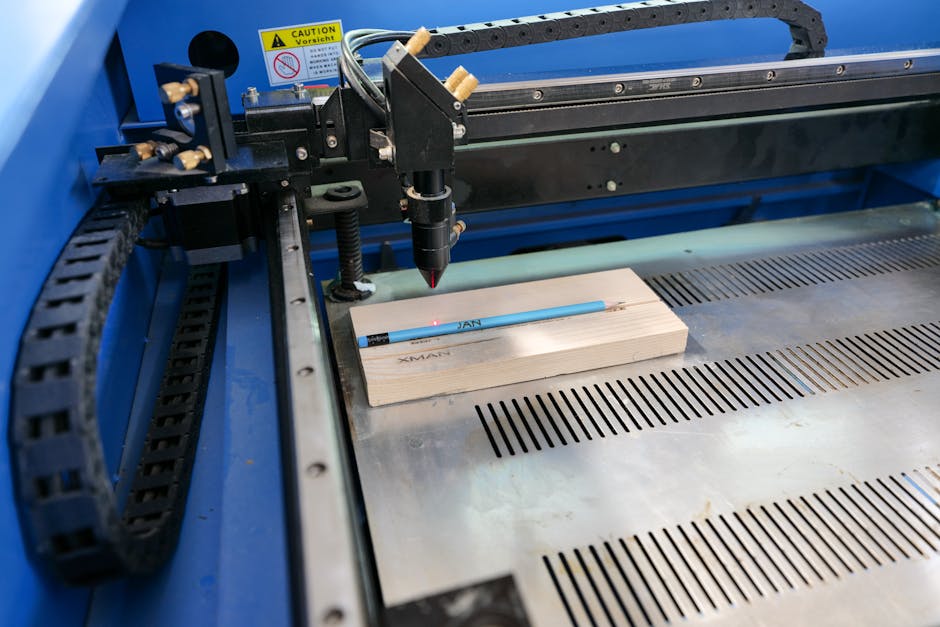
Laser engraving machine in action on wood with pencil for precise marking.
Photo: Vladimir Srajber

Which Industries Benefit Most from UV Flatbed Printing Technology?

SUNTOP’s UV flatbed printing capabilities serve diverse industries, each leveraging the technology’s unique advantages for specific applications. Understanding these industry applications helps businesses identify opportunities within their own promotional product strategies.

  • Technology Sector: Silicon Valley companies use UV printing for branded device accessories, exhibition displays, and executive gifts requiring premium materials like anodized aluminum and tempered glass
  • Healthcare Industry: Medical device manufacturers leverage UV printing’s chemical resistance for equipment labeling, regulatory compliance marking, and trade show materials
  • Financial Services: Banks and investment firms choose UV-printed awards, recognition plaques, and client gifts that convey stability and attention to detail
  • Manufacturing: Industrial companies utilize UV printing for safety signage, equipment identification, and corporate recognition programs requiring outdoor durability
  • Hospitality: Hotels, restaurants, and event venues rely on UV printing for menu boards, directional signage, and branded amenities that withstand high-traffic environments

These industry applications showcase UV flatbed printing’s versatility in addressing specific business requirements while maintaining the professional standards that corporate brands demand.

How Can Your Business Leverage UV Flatbed Printing’s Competitive Advantages?

The strategic value of UV flatbed printing extends far beyond simple decoration capabilities. Smart businesses use this technology to differentiate their promotional products, create memorable brand experiences, and achieve marketing objectives that conventional printing methods cannot deliver.

Consider the impact of presenting clients with branded items they’ve never seen before—full-color graphics on natural stone coasters, photographic images printed directly onto metal business card holders, or company logos applied to exotic wood presentation boxes. These unique applications create conversation starters that extend brand engagement beyond traditional promotional product interactions.

The technology also enables rapid market testing and product development. Since UV flatbed printing requires no setup costs or minimum quantities, businesses can prototype promotional concepts, test market response, and refine designs before committing to large production runs. This flexibility particularly benefits companies launching new products, entering new markets, or developing seasonal promotional campaigns.

SUNTOP’s integrated approach combines UV flatbed printing with complementary technologies like laser engraving services and custom promotional products, enabling comprehensive branding solutions that maximize visual impact while streamlining procurement processes.

Elegant gift box featuring a branded mug and notebook, ideal for corporate events.
Photo: Wendy Wei

Frequently Asked Questions About UV Flatbed Printing

What materials can UV flatbed printing print on?

UV flatbed printing works on virtually any flat surface including metal, glass, wood, leather, plastic, acrylic, and ceramic materials up to 4 inches thick without requiring special coatings or preparation.

How durable are UV flatbed printed products?

UV-cured inks create scratch-resistant, fade-resistant prints that withstand outdoor conditions for years. The UV curing process creates a chemical bond with the substrate for permanent adhesion.

What is the resolution quality of UV flatbed printing?

Professional UV flatbed printers achieve up to 1440 DPI resolution, delivering photographic-quality images with precise color reproduction and sharp detail on any compatible surface material.

Is UV flatbed printing environmentally friendly?

Yes, UV printing uses eco-friendly inks with no volatile organic compounds (VOCs) and produces minimal waste since it requires no setup plates, screens, or chemical processing steps.

Can UV flatbed printing handle small quantity orders?

UV flatbed printing is perfect for both short runs and bulk production with no setup fees or minimum quantities, making it cost-effective for prototypes, samples, and custom orders.

About SUNTOP INC: SUNTOP INC is an ASI-certified manufacturer (#90174) based in Castle Rock, Colorado, specializing in UV flatbed printing, laser engraving, and custom promotional products. Our zero-defect quality standards and 24-hour rush capabilities serve Fortune 500 companies across 50+ countries worldwide.

Ready to experience the precision and versatility of professional UV flatbed printing? Our team can demonstrate how this advanced technology transforms your promotional product concepts into premium branded materials that make lasting impressions. Request your free consultation and project quote at suntopify.com to discover what UV flatbed printing can achieve for your brand.

Posted on Leave a comment

UV Flatbed Printing: 5 Key Advantages for Custom Products | SUNTOP INC

3D printer build plate with warning symbols, showcasing high-tech equipment in a workspace.

UV Flatbed Printing: 5 Key Advantages for Custom Products | SUNTOP INC

UV flatbed printing is a digital printing technology that uses ultraviolet light to instantly cure ink directly onto virtually any flat surface, including metal, glass, wood, leather, and plastic, achieving photographic-quality results up to 1440 dpi resolution.

3D printer build plate with warning symbols, showcasing high-tech equipment in a workspace.
Photo: Jakub Zerdzicki

Key Facts About UV Flatbed Printing:

  • Achieves up to 1440 dpi resolution — true photographic quality on any surface
  • Works on materials up to 4 inches thick without pre-treatment or special coatings
  • SUNTOP INC operates advanced UV flatbed systems from their Castle Rock, CO facility since 2018
  • UV-cured inks are scratch-resistant, fade-resistant, and contain zero VOCs for eco-friendly production

At 6:30 AM in SUNTOP’s Castle Rock manufacturing facility, senior technician Maria carefully positions a brushed aluminum water bottle onto the UV flatbed printer bed. The client’s logo — a intricate design with gradients and fine text — needs to be reproduced with absolute precision across 500 units. Within minutes, the first bottle emerges with a full-color graphic so sharp and durable it looks embedded into the metal itself.

This scene plays out daily at SUNTOP INC, where UV flatbed printing technology transforms ordinary promotional products into premium branded items that clients and their customers treasure. But what exactly makes this printing method so revolutionary, and why are more businesses choosing it over traditional decoration techniques?

What Makes UV Flatbed Printing Different from Traditional Methods?

Unlike screen printing or pad printing that require screens, plates, and setup time, UV flatbed printing works like a massive desktop printer — but one that can handle three-dimensional objects up to 4 inches thick. The magic happens when UV light instantly cures special inks the moment they hit the surface, creating a chemical bond that becomes part of the material itself.

Traditional printing methods face significant limitations. Screen printing requires separate screens for each color and struggles with photographic detail. Pad printing works well for curved surfaces but can’t match the resolution and color range of digital methods. Heat transfer and vinyl application create raised surfaces that can peel or crack over time.

UV flatbed printing eliminates these compromises. SUNTOP’s systems print full CMYK colors plus white ink and protective varnish in a single pass, delivering consistent results whether you’re ordering 10 pieces or 10,000. This technology particularly excels with custom drinkware and tech accessories where precision and durability matter most.

How Does SUNTOP Ensure 1440 DPI Quality Every Time?

Quality control starts before the first drop of ink touches your product. SUNTOP’s pre-production process follows a strict 5-step verification system that has achieved a 99.7% first-pass success rate over the past three years.

  1. File Analysis: Every artwork file undergoes automated resolution checking and color profile verification to ensure optimal print quality
  2. Material Preparation: Surfaces receive precisely calibrated cleaning and, when needed, primer application for maximum ink adhesion
  3. Calibration Testing: Daily printer calibration using standardized color targets ensures consistent output across all production runs
  4. Sample Approval: Critical jobs receive sample printing on identical materials before full production begins
  5. In-Line Inspection: Real-time monitoring systems check registration, color density, and cure quality during production

This systematic approach allows SUNTOP to maintain the zero-defect standard that has earned them ASI certification #90174 and partnerships with Fortune 500 companies who demand nothing less than perfection in their branded products.

Why Do UV Cured Inks Outperform Traditional Printing Inks?

The science behind UV-cured inks explains why products printed with SUNTOP’s UV flatbed systems maintain their appearance years longer than traditionally printed items. When UV light hits the ink, photoinitiators trigger an instant chemical reaction that transforms liquid ink into a solid, integrated layer within seconds.

This curing process creates molecular bonds that traditional air-dried or heat-set inks simply cannot achieve. The result is a printed surface that resists scratching, fading, and chemical exposure while maintaining flexibility on materials that bend or flex during use.

Environmental benefits add another layer of value. UV-cured inks contain zero volatile organic compounds (VOCs), eliminating harmful emissions during production. They also require no drying time, reducing energy consumption and allowing faster turnaround times — a key factor in SUNTOP’s ability to offer 24-hour rush service on many products.

Minimalist design poster emphasizing the importance of sunscreen use.
Photo: Tara Winstead

Which Products Benefit Most from UV Flatbed Printing?

SUNTOP’s UV flatbed printing technology excels across diverse product categories, but certain items showcase the technology’s unique advantages most dramatically:

  • Metal Products: Water bottles, phone cases, awards, and tools receive permanent graphics that won’t chip or peel
  • Glass Items: Drinkware, awards, and decorative pieces get full-color graphics without etching or film applications
  • Wooden Products: Cutting boards, desk accessories, and awards showcase natural grain through transparent inks
  • Leather Goods: Portfolios, mouse pads, and accessories receive photographic-quality printing without cracking
  • Promotional Electronics: Power banks, USB drives, and speakers get durable branding that survives daily handling

The technology particularly shines when clients need photographic reproduction, gradients, or fine text that traditional methods struggle to reproduce clearly. A pharmaceutical company recently ordered 2,000 glass awards featuring microscopic cell imagery — detail impossible to achieve through conventional decoration methods.

How Does Direct Manufacturing Impact Your Bottom Line?

SUNTOP’s factory-direct approach combined with UV flatbed printing efficiency creates cost advantages that multiply across large orders. Traditional promotional product workflows often involve multiple markups: distributor margins, decorator fees, and handling charges that can inflate final costs by 40-60% above actual production expenses.

As both manufacturer and decorator, SUNTOP eliminates these middleman costs while maintaining tighter quality control. UV flatbed printing amplifies these savings by eliminating setup fees, reducing labor costs through automation, and minimizing material waste through precise ink placement.

Consider a recent project: 1,000 custom metal water bottles with full-color graphics. Traditional screen printing would require multiple setups, color registration challenges, and significant labor time. SUNTOP’s UV flatbed system completed the entire order in under 6 hours with zero setup fees and consistent quality across every piece.

The speed advantage becomes crucial for time-sensitive campaigns. While competitors quote 10-14 business days, SUNTOP’s UV printing capabilities enable 24-48 hour turnarounds on most products, helping clients meet tight deadlines without premium rush charges.

From above of crop anonymous person comparing photos of floral bouquets at desk on blurred background
Photo: George Milton

Frequently Asked Questions About UV Flatbed Printing

What materials can UV flatbed printing work on?

UV flatbed printing works on virtually any flat surface including metal, glass, wood, leather, plastic, ceramic, and acrylic up to 4 inches thick, making it ideal for diverse promotional products and custom items.

How does UV flatbed printing quality compare to traditional methods?

UV flatbed printing delivers superior quality with up to 1440 dpi resolution, scratch-resistant and fade-resistant results that surpass screen printing and pad printing for photographic detail and color vibrancy.

Is UV flatbed printing environmentally friendly?

Yes, UV flatbed printing uses eco-friendly UV-cured inks with no volatile organic compounds (VOCs) and produces minimal waste compared to traditional printing methods requiring setup materials and chemicals.

Can UV flatbed printing handle small quantity orders?

UV flatbed printing excels at both small runs and bulk orders with no setup fees or minimum quantities, making it cost-effective for personalized items and large promotional campaigns alike.

How long does UV flatbed printing take to complete?

UV flatbed printing offers rapid turnaround with instant ink curing, allowing SUNTOP to complete most orders within 24-48 hours and offer 24-hour rush service for urgent projects.

About SUNTOP INC: SUNTOP INC operates as a direct manufacturer from Castle Rock, Colorado, holding ASI certification #90174 and SAGE membership. Since 2018, the company has specialized in UV flatbed printing, laser engraving, and custom promotional products, serving clients across 50+ countries with factory-direct pricing and precision manufacturing standards.

Ready to experience the precision and quality of UV flatbed printing for your next promotional campaign? Our team can provide detailed specifications, material samples, and custom quotes tailored to your specific requirements. Visit SUNTOP INC today to request a free consultation and discover how UV flatbed printing technology can elevate your brand’s impact.

Posted on Leave a comment

UV vs Screen Printing: 5 Key Differences | SUNTOP INC

3D printer build plate with warning symbols, showcasing high-tech equipment in a workspace.

UV vs Screen Printing: 5 Key Differences That Matter

The short answer is: UV printing offers superior versatility and photographic quality on any surface, while screen printing excels for large volume runs with solid colors. UV printing works on thick items up to 4 inches, requires no setup fees, and delivers 1440 dpi resolution.

3D printer build plate with warning symbols, showcasing high-tech equipment in a workspace.
Photo: Jakub Zerdzicki

Last Tuesday morning at our Castle Rock manufacturing facility, our production team faced an interesting challenge. A client needed 200 metal water bottles branded in full color, plus 50 executive leather portfolios with precise logo placement — all within 48 hours. This real scenario perfectly illustrates why understanding UV vs screen printing matters for your promotional products.

Key Facts About UV vs Screen Printing:

  • UV printing achieves 1440 dpi photographic quality on any flat surface up to 4 inches thick
  • Screen printing requires separate screens for each color, increasing setup costs and time
  • SUNTOP INC’s UV flatbed systems eliminate middlemen pricing with direct manufacturer rates
  • Both technologies meet our zero-defect quality standards with different applications

What Makes UV Printing Different from Screen Printing?

UV vs screen printing represents a fundamental technology divide. Screen printing, the traditional analog method, pushes ink through mesh screens onto surfaces. Each color requires a separate screen, setup time, and precise registration. UV flatbed printing is purely digital — your artwork files transfer directly to the substrate with zero setup requirements.

Our UV flatbed systems cure ink instantly using LED UV lights, creating scratch-resistant, fade-resistant finishes. Screen printing inks either air-dry or require heat curing, limiting material compatibility. This technological difference explains why UV printing handles promotional products that screen printing simply cannot — think curved surfaces, thick items, or heat-sensitive materials.

How Do Quality and Resolution Compare Between Methods?

Quality differences between UV vs screen printing become obvious when you examine resolution capabilities:

  1. UV Printing Resolution: Up to 1440 dpi — photographic quality with smooth gradients and fine details
  2. Screen Printing Resolution: 85-120 LPI (lines per inch) — excellent for solid colors and simple graphics
  3. Color Accuracy: UV delivers precise CMYK matching; screen printing excels with Pantone spot colors
  4. Detail Reproduction: UV handles 4-point text and intricate designs; screen printing requires 8-point minimum
  5. Surface Coverage: UV prints edge-to-edge without bleeding; screen printing may have registration variations

Which Materials Work Best with Each Printing Method?

Material compatibility reveals the biggest advantage in the UV vs screen printing comparison. Our UV flatbed systems print directly onto metal, glass, wood, leather, acrylic, and virtually any flat surface. The UV inks bond at the molecular level during LED curing, creating permanent adhesion without penetrating the substrate.

Screen printing requires porous or specially treated surfaces for ink adhesion. Cotton t-shirts, canvas bags, and paper products work beautifully. However, screen printing struggles with non-porous surfaces like metal or glass without specialized pretreatment processes that increase costs and complexity.

Detailed view of a screen printing setup with a wooden squeegee in Luzern, Switzerland.
Photo: Wendelin Jacober

What Are the Cost Factors for UV vs Screen Printing?

Cost analysis for UV vs screen printing depends heavily on quantity and complexity:

  • Setup Costs: UV printing has zero setup fees; screen printing requires screen creation ($25-75 per color)
  • Short Runs (1-100 units): UV printing wins decisively due to no setup requirements
  • Medium Runs (100-500 units): UV remains competitive, especially for complex designs
  • Large Runs (500+ units): Screen printing becomes economical for simple, solid-color designs
  • Rush Orders: UV printing eliminates screen setup time and drying delays
  • Why Does SUNTOP’s UV vs Screen Printing Approach Matter?

    As a direct manufacturer in Castle Rock, CO, SUNTOP INC eliminates the middleman markup that inflates promotional product costs. Our integrated facility houses both UV flatbed systems and screen printing equipment, allowing optimal technology selection for each project. This means you get factory-direct pricing whether your promotional products require UV printing’s versatility or screen printing’s volume efficiency.

    Our dedicated account managers analyze your specific requirements — artwork complexity, material types, quantities, and deadlines — to recommend the most cost-effective approach. Many competitors push clients toward their preferred technology regardless of project needs. We choose based on delivering the best results for your investment.

    For those metal water bottles and leather portfolios mentioned earlier? UV printing completed both materials in one production run, meeting the 48-hour deadline while maintaining our zero-defect quality standard. Screen printing would have required separate processes, longer timelines, and higher costs.

    Minimalist design poster emphasizing the importance of sunscreen use.
    Photo: Tara Winstead

    Frequently Asked Questions About UV vs Screen Printing

    Which is more cost-effective: UV or screen printing?

    UV printing is more cost-effective for short runs and complex designs due to no setup fees. Screen printing becomes economical for large quantities of 500+ units with simple designs.

    Can UV printing work on the same materials as screen printing?

    UV printing works on far more materials including metal, glass, wood, leather, and thick items. Screen printing is limited to flat, porous surfaces like fabric and paper.

    Which printing method offers better color accuracy?

    UV printing delivers photographic quality with 1440 dpi resolution and precise color matching. Screen printing provides vibrant colors but is limited to spot colors rather than full CMYK gradients.

    How do durability results compare between UV and screen printing?

    Both offer excellent durability. UV inks are scratch-resistant and fade-resistant when cured. Screen printing inks penetrate fabric fibers for long-lasting wear resistance on textiles.

    Which technology is better for rush orders?

    UV printing is superior for rush orders as it requires no screen setup, drying time, or color mixing. Files can go directly from computer to finished product within hours.

    About SUNTOP INC: SUNTOP INC is an ASI-certified promotional products manufacturer (#90174) based in Castle Rock, Colorado. We specialize in UV flatbed printing, laser engraving, and screen printing with factory-direct pricing, dedicated account management, and global shipping to 50+ countries.

    Ready to see the difference between UV vs screen printing for your promotional products? Our production team can demonstrate both technologies and recommend the optimal approach for your specific project needs. Request a free quote and product demo at suntopify.com — let’s bring your brand vision to life with the right printing technology.

    Posted on Leave a comment

    UV Flatbed Printing: 5 Key Advantages for Custom Products | SUNTOP INC

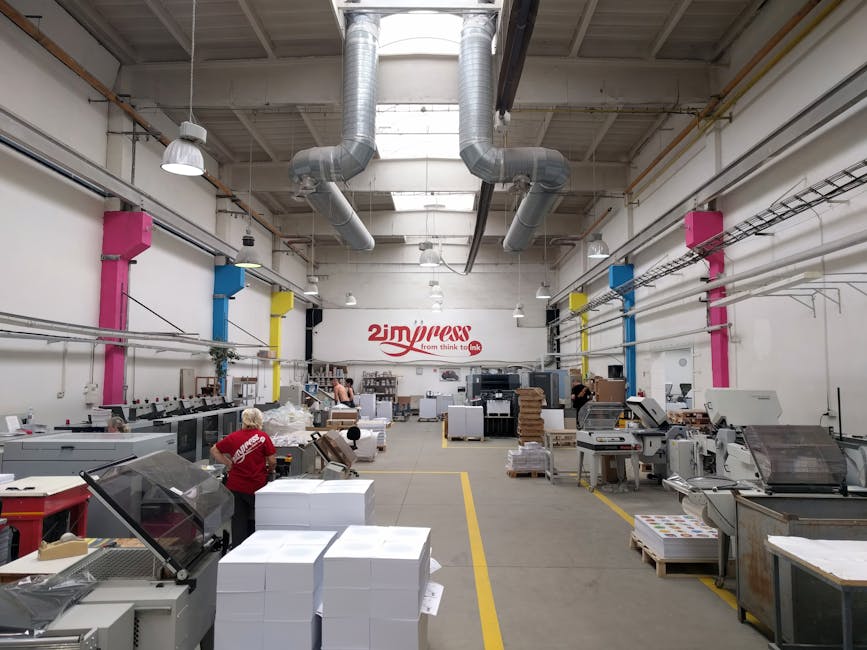
    Spacious printing facility with modern machinery and workers engaging in tasks.

    UV Flatbed Printing: 5 Key Advantages for Custom Products | SUNTOP INC

    The short answer is: UV flatbed printing is a digital printing technology that applies UV-cured inks directly onto flat surfaces up to 4 inches thick, achieving 1440 dpi resolution with instant curing for scratch-resistant, fade-proof results.

    Spacious printing facility with modern machinery and workers engaging in tasks.
    Photo: Manuel Campagnoli

    Key Facts:

    • UV flatbed printing achieves up to 1440 dpi photographic quality resolution
    • Technology prints on materials up to 4 inches thick without pre-treatment
    • SUNTOP INC operates advanced UV flatbed systems at our Castle Rock, CO facility
    • Process uses eco-friendly, solvent-free inks that cure instantly under UV light

    At 7:30 AM in our Castle Rock manufacturing facility, production manager Sarah Chen examines a batch of aluminum panels destined for a Fortune 500 client’s trade show display. What makes this morning routine remarkable isn’t the early hour—it’s watching our UV flatbed printing system transform bare metal into vibrant, branded artwork in real-time. The UV-cured inks hit the aluminum surface and cure instantly under powerful LED arrays, creating a finish so durable it could withstand years of outdoor exposure.

    This scene repeats daily at SUNTOP INC, where UV flatbed printing has revolutionized how we approach promotional product manufacturing. The technology eliminates traditional printing limitations, allowing us to print directly onto virtually any flat surface with precision that rivals photographic quality.

    What Makes UV Flatbed Printing Different from Traditional Printing Methods?

    Traditional printing methods require multiple steps, transfer materials, and surface preparation. UV flatbed printing eliminates these barriers by applying ink directly to the substrate. The process begins when our technicians load materials—whether metal, glass, wood, or plastic—directly onto the flatbed platform.

    The magic happens when specialized UV-cured inks hit the surface. Unlike conventional inks that require air-drying or heat curing, UV inks transform from liquid to solid instantly when exposed to UV light. This immediate curing process creates a chemical bond with the material surface, resulting in prints that resist scratching, fading, and chemical damage.

    Our UV flatbed systems accommodate materials up to 4 inches thick, opening possibilities that traditional printing cannot match. We’ve successfully printed on everything from 1/8-inch acrylic awards to thick wooden cutting boards, maintaining consistent quality across all substrate types.

    How Does SUNTOP’s UV Flatbed Printing Process Achieve 1440 DPI Quality?

    Achieving photographic quality requires precision at every stage. Our UV flatbed printing process follows these critical steps:

    1. Color Profile Calibration: Each substrate receives custom color profiling to ensure accurate color reproduction
    2. Surface Analysis: Our technicians evaluate material porosity, texture, and composition to optimize ink adhesion
    3. Multi-Layer Application: CMYK colors, white base layers, and protective varnish apply in a single pass
    4. UV Curing Intensity: LED UV arrays deliver precise light wavelengths for complete polymerization
    5. Quality Verification: Each piece undergoes scratch-resistance and color accuracy testing

    The 1440 dpi resolution means our printers place ink dots so precisely that fine text remains sharp and photographic images retain subtle gradations. This level of detail surpasses what most clients expect from promotional product manufacturing.

    Why Do SUNTOP’s Quality Control Standards Exceed Industry Norms?

    Our zero-defect standard begins before the first drop of ink touches the substrate. As a direct manufacturer, we control every variable that affects print quality. Our quality assurance team, led by certified technicians, implements a multi-checkpoint system that traditional promotional product suppliers cannot match.

    Each UV flatbed printing job undergoes pre-production testing on material samples. We verify ink adhesion, color accuracy, and durability before committing to the full production run. This approach eliminates costly reprints and ensures client satisfaction from the first piece to the last.

    The UV curing process itself contributes to quality consistency. Unlike heat-based curing that can cause material warping or color shifts, UV curing occurs at room temperature. This stability allows us to maintain precise registration across multi-color designs, even on challenging materials like textured wood or brushed metal.

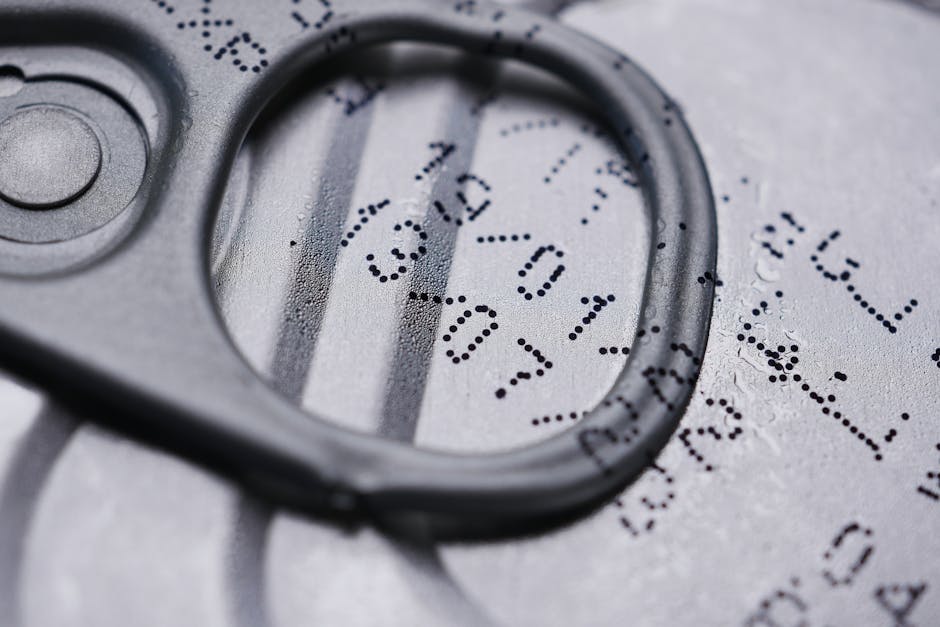
    Detailed image of a drink can lid showing printed expiration date.
    Photo: Towfiqu barbhuiya

    Which Industries Benefit Most from UV Flatbed Printing Capabilities?

    UV flatbed printing serves diverse industries because of its material versatility and durability advantages. Our client data shows particularly strong adoption in sectors requiring premium presentation and longevity:

    • Technology Companies: Branded device cases, metal panels for equipment, and high-resolution product samples
    • Healthcare Organizations: Durable signage for sterile environments, medical device branding, and patient education materials
    • Financial Services: Executive awards, branded office accessories, and client appreciation gifts
    • Hospitality Industry: Weather-resistant outdoor signage, branded amenities, and custom room accessories
    • Manufacturing Sector: Equipment labeling, safety signage, and branded industrial components

    The common thread among successful UV flatbed printing applications is the need for professional appearance combined with long-term durability. Traditional promotional products often look cheap or wear quickly. UV flatbed printing delivers the premium quality that reflects positively on brand reputation.

    How Does Direct Manufacturing Impact Your UV Printing Project Timeline?

    Operating as a direct manufacturer fundamentally changes project timelines. While distributors and resellers add layers of communication and handling, our clients work directly with production teams. This streamlined approach enables our famous 24-hour rush capability for custom manufacturing projects.

    Our UV flatbed printing systems run continuously during peak periods, supported by dedicated technicians who understand both the technology and our clients’ urgency. When a client needs 500 branded tablets for a Monday morning product launch, our weekend production capability makes the impossible routine.

    The efficiency extends beyond speed. Direct manufacturing means immediate feedback and adjustment capability. If a client requests color modifications after seeing initial samples, our technicians implement changes within hours rather than days required by multi-vendor workflows.

    Chic skincare packaging with a prominent sale sign in a minimal design.
    Photo: www.kaboompics.com

    Frequently Asked Questions About UV Flatbed Printing

    What materials can UV flatbed printing print on?

    UV flatbed printing works on virtually any flat material including metal, glass, wood, leather, plastic, acrylic, and ceramic surfaces up to 4 inches thick.

    How durable are UV flatbed prints?

    UV-cured inks create scratch-resistant, fade-resistant prints that maintain color integrity for years, making them ideal for outdoor and high-use applications.

    What resolution does UV flatbed printing achieve?

    Professional UV flatbed printers achieve up to 1440 dpi resolution, delivering photographic quality results with precise color reproduction and fine detail.

    Is UV flatbed printing environmentally friendly?

    Yes, UV printing uses eco-friendly, solvent-free inks that cure instantly with UV light, producing no volatile organic compounds (VOCs) or harmful emissions.

    Can UV flatbed printing handle small quantities?

    UV flatbed printing requires no setup fees or minimum quantities, making it cost-effective for both prototype runs and large-scale production orders.

    About SUNTOP INC: SUNTOP INC operates as an ASI-certified direct manufacturer (#90174) from our Castle Rock, Colorado facility, specializing in UV flatbed printing, laser engraving, and promotional product manufacturing with global shipping capabilities to 50+ countries.

    Ready to experience the precision and durability of UV flatbed printing for your next project? Our production team can provide material samples and technical specifications to help you make informed decisions. Visit suntopify.com to request a free quote and schedule a virtual factory tour showcasing our UV printing capabilities in action.