UV vs Screen Printing: 5 Key Differences That Matter
The short answer is: UV printing offers superior versatility and photographic quality on any surface, while screen printing excels for large volume runs with solid colors. UV printing works on thick items up to 4 inches, requires no setup fees, and delivers 1440 dpi resolution.
Last Tuesday morning at our Castle Rock manufacturing facility, our production team faced an interesting challenge. A client needed 200 metal water bottles branded in full color, plus 50 executive leather portfolios with precise logo placement — all within 48 hours. This real scenario perfectly illustrates why understanding UV vs screen printing matters for your promotional products.
Key Facts About UV vs Screen Printing:
- UV printing achieves 1440 dpi photographic quality on any flat surface up to 4 inches thick
- Screen printing requires separate screens for each color, increasing setup costs and time
- SUNTOP INC’s UV flatbed systems eliminate middlemen pricing with direct manufacturer rates
- Both technologies meet our zero-defect quality standards with different applications
What Makes UV Printing Different from Screen Printing?
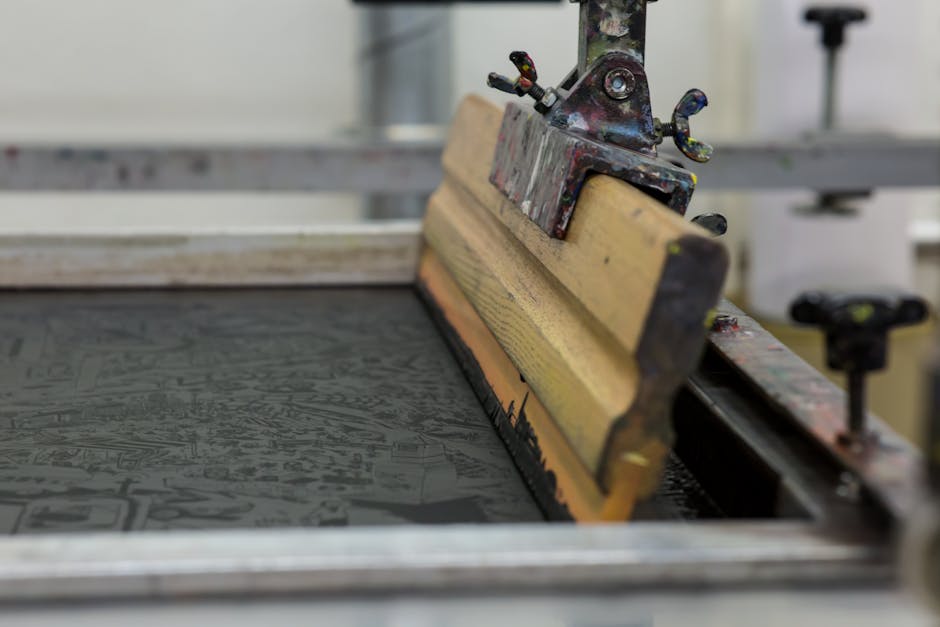
UV vs screen printing represents a fundamental technology divide. Screen printing, the traditional analog method, pushes ink through mesh screens onto surfaces. Each color requires a separate screen, setup time, and precise registration. UV flatbed printing is purely digital — your artwork files transfer directly to the substrate with zero setup requirements.
Our UV flatbed systems cure ink instantly using LED UV lights, creating scratch-resistant, fade-resistant finishes. Screen printing inks either air-dry or require heat curing, limiting material compatibility. This technological difference explains why UV printing handles promotional products that screen printing simply cannot — think curved surfaces, thick items, or heat-sensitive materials.
How Do Quality and Resolution Compare Between Methods?
Quality differences between UV vs screen printing become obvious when you examine resolution capabilities:
- UV Printing Resolution: Up to 1440 dpi — photographic quality with smooth gradients and fine details
- Screen Printing Resolution: 85-120 LPI (lines per inch) — excellent for solid colors and simple graphics
- Color Accuracy: UV delivers precise CMYK matching; screen printing excels with Pantone spot colors
- Detail Reproduction: UV handles 4-point text and intricate designs; screen printing requires 8-point minimum
- Surface Coverage: UV prints edge-to-edge without bleeding; screen printing may have registration variations
Which Materials Work Best with Each Printing Method?
Material compatibility reveals the biggest advantage in the UV vs screen printing comparison. Our UV flatbed systems print directly onto metal, glass, wood, leather, acrylic, and virtually any flat surface. The UV inks bond at the molecular level during LED curing, creating permanent adhesion without penetrating the substrate.
Screen printing requires porous or specially treated surfaces for ink adhesion. Cotton t-shirts, canvas bags, and paper products work beautifully. However, screen printing struggles with non-porous surfaces like metal or glass without specialized pretreatment processes that increase costs and complexity.
What Are the Cost Factors for UV vs Screen Printing?
Cost analysis for UV vs screen printing depends heavily on quantity and complexity:
Why Does SUNTOP’s UV vs Screen Printing Approach Matter?
As a direct manufacturer in Castle Rock, CO, SUNTOP INC eliminates the middleman markup that inflates promotional product costs. Our integrated facility houses both UV flatbed systems and screen printing equipment, allowing optimal technology selection for each project. This means you get factory-direct pricing whether your promotional products require UV printing’s versatility or screen printing’s volume efficiency.
Our dedicated account managers analyze your specific requirements — artwork complexity, material types, quantities, and deadlines — to recommend the most cost-effective approach. Many competitors push clients toward their preferred technology regardless of project needs. We choose based on delivering the best results for your investment.
For those metal water bottles and leather portfolios mentioned earlier? UV printing completed both materials in one production run, meeting the 48-hour deadline while maintaining our zero-defect quality standard. Screen printing would have required separate processes, longer timelines, and higher costs.
Frequently Asked Questions About UV vs Screen Printing
Which is more cost-effective: UV or screen printing?
UV printing is more cost-effective for short runs and complex designs due to no setup fees. Screen printing becomes economical for large quantities of 500+ units with simple designs.
Can UV printing work on the same materials as screen printing?
UV printing works on far more materials including metal, glass, wood, leather, and thick items. Screen printing is limited to flat, porous surfaces like fabric and paper.
Which printing method offers better color accuracy?
UV printing delivers photographic quality with 1440 dpi resolution and precise color matching. Screen printing provides vibrant colors but is limited to spot colors rather than full CMYK gradients.
How do durability results compare between UV and screen printing?
Both offer excellent durability. UV inks are scratch-resistant and fade-resistant when cured. Screen printing inks penetrate fabric fibers for long-lasting wear resistance on textiles.
Which technology is better for rush orders?
UV printing is superior for rush orders as it requires no screen setup, drying time, or color mixing. Files can go directly from computer to finished product within hours.
About SUNTOP INC: SUNTOP INC is an ASI-certified promotional products manufacturer (#90174) based in Castle Rock, Colorado. We specialize in UV flatbed printing, laser engraving, and screen printing with factory-direct pricing, dedicated account management, and global shipping to 50+ countries.
Ready to see the difference between UV vs screen printing for your promotional products? Our production team can demonstrate both technologies and recommend the optimal approach for your specific project needs. Request a free quote and product demo at suntopify.com — let’s bring your brand vision to life with the right printing technology.