UV vs Screen Printing: 7 Key Differences for Better Brand Impact
The short answer is UV printing offers superior versatility, printing directly on any flat surface up to 4 inches thick with photographic quality at 1440 dpi, while screen printing excels for large quantities on fabric and simple designs with vibrant, long-lasting colors.
Key Facts About UV vs Screen Printing:
- UV printing achieves 1440 dpi resolution compared to screen printing’s 85-120 dpi capability
- Screen printing setup costs average $25-50 per color, while UV printing has zero setup fees
- UV ink cures instantly with LED lights, while screen printing requires 24-48 hour drying time
- SUNTOP INC operates both technologies from our Castle Rock, CO facility with ASI certification #90174
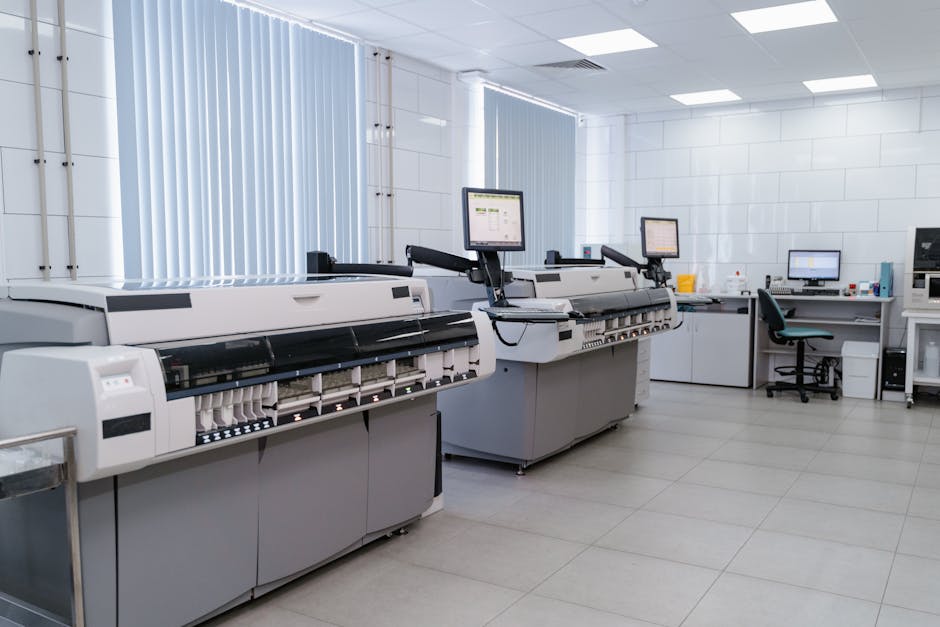
At 2:47 PM on a busy Tuesday, our production floor tells two different stories. On the left, our UV flatbed printer hums quietly as it deposits precise droplets of ink onto a batch of aluminum water bottles, each one emerging with photographic-quality logos in full color. On the right, our screen printing station buzzes with activity as technicians prepare mesh screens for a 500-piece t-shirt order, mixing Pantone-matched inks to achieve that perfect corporate blue.
This scene plays out daily at SUNTOP INC, where we’ve invested in both UV printing and screen printing technologies to serve our clients’ diverse needs. But which method delivers better results for your brand? The answer depends on seven critical factors that determine quality, cost, and turnaround time.
What Makes UV Printing Different from Traditional Screen Printing?
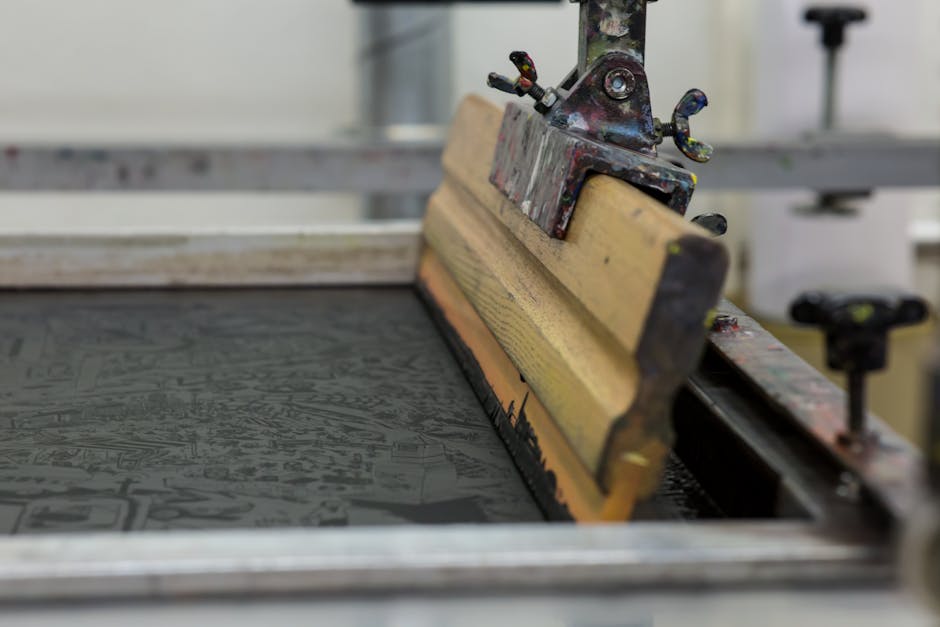
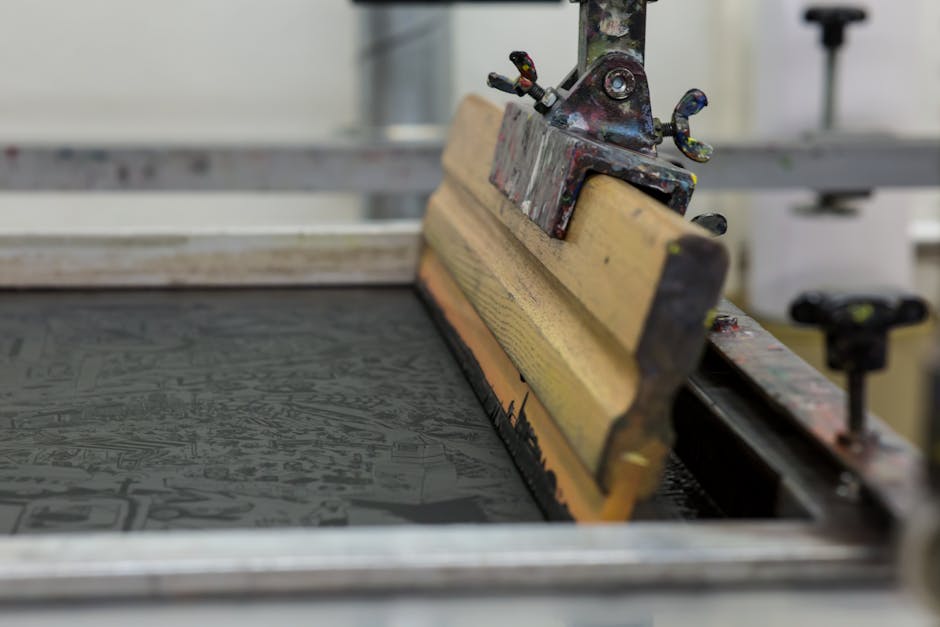
The fundamental difference lies in how ink reaches your product. UV printing uses digital inkjet technology with UV-curable inks that cure instantly under LED lights, creating a durable, scratch-resistant finish. Screen printing, developed over 1,000 years ago, pushes ink through mesh screens using squeegees, building up layers of vibrant color.
UV printing excels in versatility. Our UV flatbed system prints directly onto metal, glass, wood, leather, acrylic, and plastic surfaces up to 4 inches thick. The 1440 dpi resolution delivers photographic quality with smooth gradients and fine detail reproduction that screen printing simply cannot match. Plus, our UV inks include white ink and clear varnish options for enhanced visual effects.
Screen printing dominates in specific applications, particularly fabric printing and large quantity orders. The ink sits on top of the material, creating a tactile feel and exceptional color vibrancy. For corporate apparel and promotional t-shirts, screen printing’s opacity and color saturation remain unmatched, especially on dark fabrics where UV printing may require additional base layers.
How Do Setup Times and Costs Compare Between Methods?
Setup requirements create the most significant operational difference between these technologies. Here’s the breakdown:
- UV Printing Setup: Zero setup time – files go directly from design to print with no physical preparation required
- Screen Printing Setup: 30-90 minutes per color for screen preparation, emulsion coating, and registration alignment
- Color Changes: UV printing switches colors instantly; screen printing requires new screens for each color
- Artwork Modifications: UV printing accommodates last-minute changes; screen printing locks in design once screens are made
- Rush Orders: UV printing enables same-day turnaround; screen printing needs minimum 24-48 hours including cure time
These setup differences directly impact your project costs and timeline flexibility. For orders under 100 pieces, UV printing typically provides better value due to eliminated setup fees. Screen printing becomes cost-effective for larger quantities where setup costs distribute across more units.
Which Method Delivers Superior Print Quality and Durability?
Print quality depends on your specific requirements. UV printing achieves photographic reproduction with smooth color transitions, fine text clarity, and precise registration. Our UV inks cure to a scratch-resistant, fade-resistant finish that withstands outdoor exposure and frequent handling. The 1440 dpi resolution captures intricate details like QR codes, fine text, and complex logos with sharp definition.
Screen printing produces bold, vibrant colors with excellent opacity, particularly on dark materials. The thicker ink deposit creates a premium feel and exceptional color saturation that photographs beautifully. However, screen printing limitations include halftone dots for photo reproduction and potential registration challenges with multi-color designs.
Both methods offer excellent durability when properly executed. UV inks bond chemically to substrates during the curing process, while screen-printed inks penetrate material fibers for long-lasting adhesion. Our quality control testing shows both methods maintaining color integrity after 500+ wash cycles on fabric applications.
What Are the Material Compatibility Advantages of Each Method?
Material compatibility reveals each method’s strengths clearly:
- UV Printing Excels On: Metal surfaces, glass items, wooden products, leather goods, rigid plastics, acrylic displays, ceramic tiles, and promotional tech accessories
- Screen Printing Dominates: Cotton t-shirts, polyester apparel, canvas bags, fabric banners, paper materials, and flexible packaging films
- Thickness Limitations: UV printing handles items up to 4 inches thick; screen printing works best on flat surfaces under 0.5 inches
- Surface Textures: UV printing adapts to textured surfaces; screen printing requires smooth, even surfaces for consistent ink coverage
For custom drinkware and tech accessories, UV printing provides unmatched versatility. For corporate apparel and fabric products, screen printing delivers superior results and cost efficiency at volume.
Why Does SUNTOP INC Invest in Both Technologies?
Our dual-technology approach stems from understanding that no single printing method serves every client need perfectly. UV vs screen printing isn’t about one being better – it’s about matching the right technology to your specific project requirements.
We’ve observed that clients increasingly need mixed-method solutions. A corporate gift program might require UV-printed executive awards alongside screen-printed event t-shirts. Our integrated facility allows seamless coordination between departments, ensuring color consistency and timeline alignment across different printing methods.
Our quality control standards apply equally to both technologies. Every printed piece undergoes color accuracy verification, durability testing, and visual inspection before approval. Whether your project uses UV printing, screen printing, or a combination approach, the same zero-defect standard applies throughout production.
Frequently Asked Questions About UV vs Screen Printing
What is the main difference between UV and screen printing?
UV printing uses digital inkjet technology to print directly on surfaces, while screen printing uses mesh screens and squeegees to push ink through stenciled designs onto materials.
Which printing method is faster for small orders?
UV printing is significantly faster for small orders with no setup time required, while screen printing needs screen preparation and setup, making it slower for quantities under 100 pieces.
Can UV printing work on the same materials as screen printing?
UV printing works on virtually any flat surface including metal, glass, wood, and plastic, while screen printing is primarily limited to fabric, paper, and some flat surfaces.
Which method produces better color accuracy?
UV printing delivers photographic quality with 1440 dpi resolution and precise CMYK color matching, while screen printing offers vibrant spot colors but limited color gradients and detail.
What are the cost differences between UV and screen printing?
UV printing has no setup costs and is cost-effective for small runs, while screen printing becomes more economical for large quantities due to lower per-unit costs after initial setup.
SUNTOP INC operates as an ASI-certified manufacturer (#90174) from our Castle Rock, CO facility, specializing in both UV flatbed printing and screen printing technologies. Our direct manufacturing approach eliminates middlemen costs while maintaining zero-defect quality standards across all printing methods.
Ready to see these printing technologies in action? Request a free factory tour video showcasing both UV and screen printing processes, or get your free quote to discover which method delivers the best results for your upcoming project.