Posted on Leave a comment

UV vs Screen Printing: Which Delivers Better Results | SUNTOP INC

UV vs Screen Printing: Which Delivers Better Results for Your Brand?

UV printing excels for short runs, complex designs, and varied surfaces with 1440 dpi resolution, while screen printing is cost-effective for large quantities of simple designs on fabric and standard materials.

Key Facts:

  • UV printing achieves photographic quality at 1440 dpi resolution with zero setup fees
  • Screen printing remains the gold standard for high-volume textile production
  • SUNTOP’s UV flatbed systems print on materials up to 4 inches thick
  • Our Castle Rock, CO facility combines both technologies for optimal results

In our Castle Rock manufacturing facility yesterday, we ran two identical corporate logo orders side by side—one on our UV flatbed system, another on traditional screen printing equipment. The client needed 500 stainless steel water bottles and 500 cotton tote bags. This real-world scenario perfectly illustrates when each technology shines.

As promotional product manufacturers, we’ve mastered both UV printing and screen printing technologies. Each method has distinct advantages, and understanding these differences helps you make the right choice for your brand’s specific needs.

What Makes UV Printing Superior for Complex Projects?

UV printing revolutionizes how we approach promotional product customization. Our UV flatbed systems use digital technology to cure inks instantly with ultraviolet light, creating permanent, scratch-resistant graphics directly on virtually any surface.

The magic happens in the precision. Unlike screen printing’s mesh-based ink transfer, UV printing deposits exact amounts of ink exactly where needed. This digital control enables photographic reproduction quality at 1440 dpi—impossible with traditional methods.

Material versatility sets UV printing apart. We regularly print on stainless steel, bamboo, glass, leather, acrylic, and wood—materials that would challenge or defeat screen printing entirely. The UV inks bond chemically with surfaces during curing, creating fade-resistant graphics that withstand daily use.

How Does Screen Printing Achieve Vibrant, Long-Lasting Results?

Screen printing remains the textile industry’s workhorse for good reason. This time-tested process pushes specially formulated inks through fine mesh screens, creating thick, vibrant layers that penetrate fabric fibers deeply.

The screen printing advantage emerges in high-volume production:

  1. Color intensity: Screen inks create bold, opaque coverage that stands out dramatically
  2. Volume efficiency: Once screens are prepared, production speeds reach hundreds of pieces per hour
  3. Special effects: Metallic inks, puff printing, and textured finishes excel with screen printing
  4. Fabric compatibility: Works seamlessly with cotton, polyester blends, and performance fabrics
  5. Wash durability: Properly cured screen printed garments survive hundreds of wash cycles

However, screen printing requires careful color separation and setup time. Each color demands a separate screen, making simple designs more economical than complex, multi-color artwork.

Why Do Production Costs Vary Between These Methods?

Cost considerations often determine which printing method makes financial sense for your project. The break-even point typically occurs around 100-200 pieces, depending on design complexity.

UV printing eliminates setup fees entirely. No screens to create, no color separations to prepare. We can print one piece as economically as fifty pieces. This makes UV ideal for promotional products requiring personalization, small corporate gifts, or test marketing campaigns.

Screen printing’s economics work differently. Initial setup costs—screen preparation, registration, and press setup—spread across larger quantities. At 500+ pieces, screen printing often becomes more cost-effective per unit than UV printing.
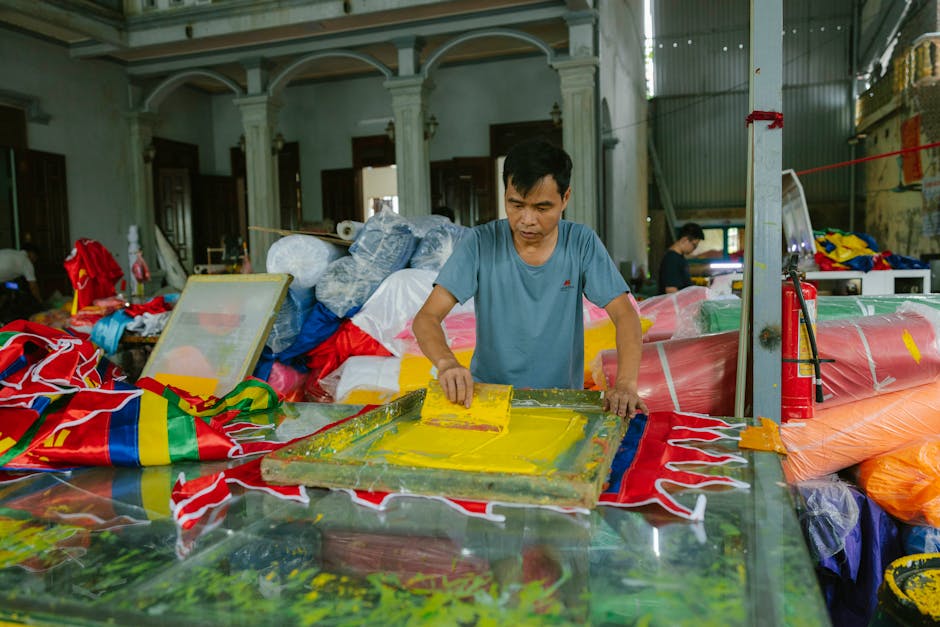
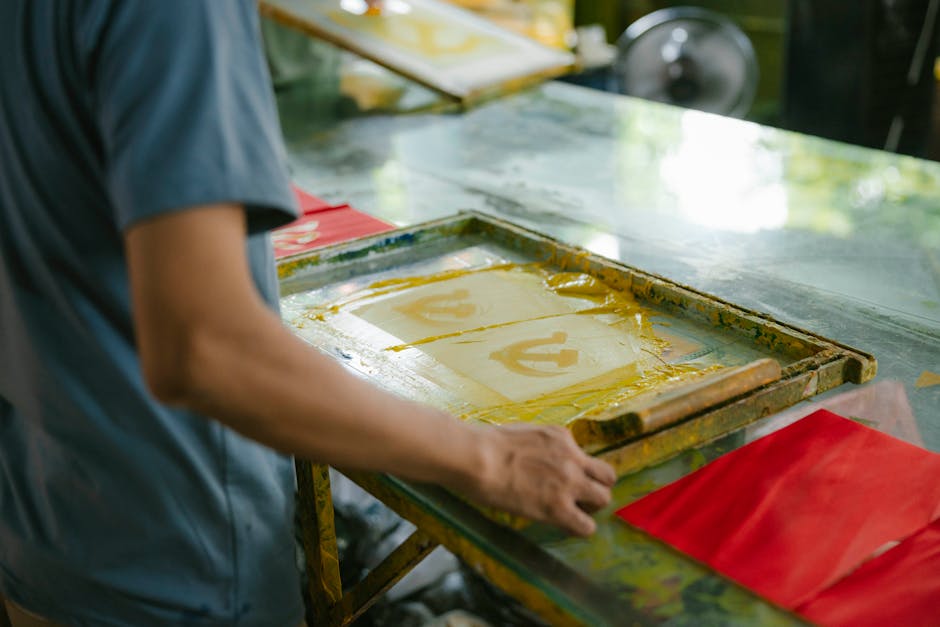
A man engaged in screen printing vibrant textiles inside a workshop filled with colorful materials.
Photo: HONG SON

Which Method Delivers Better Durability and Quality?

Quality and durability depend more on proper execution than the printing method itself. Both technologies, when professionally applied, create promotional products that maintain brand integrity for years.

UV printing advantages include:

  • Scratch-resistant surface that protects graphics from daily wear
  • UV-stable inks that resist fading under sunlight exposure
  • Chemical resistance suitable for items exposed to cleaning products
  • Precise detail reproduction that maintains crisp edges indefinitely

Screen printing durability shines in different areas. The thick ink deposits create flexible, breathable graphics on textiles that move naturally with fabric. Properly cured screen prints survive industrial washing, making them ideal for workwear and uniforms.

How Do You Choose the Right Method for Your Project?

Project requirements should drive your printing method selection. We guide clients through this decision by evaluating five key factors: quantity, material, design complexity, budget, and timeline.

Choose UV printing when you need photographic quality, multiple materials in one order, small quantities, or rapid turnaround. Our UV systems excel at custom awards, executive gifts, and tech accessories where precision matters.

Select screen printing for large textile orders, bold simple graphics, special ink effects, or maximum color vibrancy. T-shirts, tote bags, and apparel items benefit from screen printing’s textile-specific advantages.

Many successful campaigns combine both methods strategically. We might UV print corporate logos on metal water bottles while screen printing the same design on matching t-shirts—leveraging each technology’s strengths within a cohesive brand campaign.
Red and black sale tags showing various discount percentages on a beige background.
Photo: www.kaboompics.com

Frequently Asked Questions About UV vs Screen Printing

What is the main difference between UV and screen printing?

UV printing uses digital UV-cured inks directly applied to surfaces, while screen printing pushes ink through mesh stencils. UV offers higher detail and surface versatility; screen printing provides vibrant colors on fabric.

Which is more cost-effective for small orders?

UV printing is more cost-effective for small orders because it requires no setup fees or screen creation. Screen printing becomes economical only at higher quantities due to initial setup costs.

Can UV printing work on all materials?

UV printing works on virtually any flat surface up to 4 inches thick, including metal, glass, wood, leather, and plastic. Screen printing is limited primarily to fabric and porous materials.

Which printing method lasts longer?

Both methods offer excellent durability. UV printing provides scratch-resistant, fade-resistant results with eco-friendly inks. Screen printing delivers long-lasting vibrant colors, especially on textiles with proper curing.

How quickly can orders be completed with each method?

UV printing offers faster turnaround with no setup time and immediate printing capability. Screen printing requires screen preparation time but can produce large quantities quickly once setup is complete.

SUNTOP INC, an ASI-certified manufacturer (#90174) based in Castle Rock, CO, combines UV flatbed printing and screen printing technologies to deliver optimal results for promotional products. Our zero-defect quality standards and factory-direct pricing serve clients across 50+ countries.

Ready to discover which printing method works best for your next promotional campaign? Our production experts provide free consultations and can arrange a virtual factory tour showcasing both UV and screen printing capabilities. Request your free quote today and experience the SUNTOP difference.
Posted on Leave a comment

UV vs Screen Printing: 7 Key Differences | SUNTOP INC

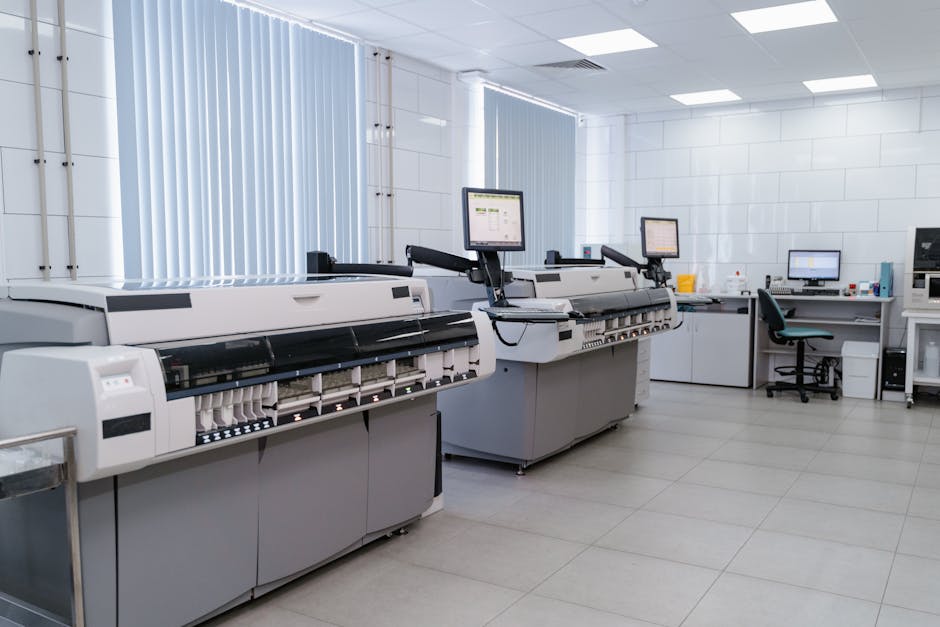
Spacious modern laboratory featuring advanced printing equipment and workstations.

UV vs Screen Printing: 7 Key Differences for Better Brand Impact

The short answer is UV printing offers superior versatility, printing directly on any flat surface up to 4 inches thick with photographic quality at 1440 dpi, while screen printing excels for large quantities on fabric and simple designs with vibrant, long-lasting colors.

Spacious modern laboratory featuring advanced printing equipment and workstations.
Photo: Tima Miroshnichenko

Key Facts About UV vs Screen Printing:

  • UV printing achieves 1440 dpi resolution compared to screen printing’s 85-120 dpi capability
  • Screen printing setup costs average $25-50 per color, while UV printing has zero setup fees
  • UV ink cures instantly with LED lights, while screen printing requires 24-48 hour drying time
  • SUNTOP INC operates both technologies from our Castle Rock, CO facility with ASI certification #90174

At 2:47 PM on a busy Tuesday, our production floor tells two different stories. On the left, our UV flatbed printer hums quietly as it deposits precise droplets of ink onto a batch of aluminum water bottles, each one emerging with photographic-quality logos in full color. On the right, our screen printing station buzzes with activity as technicians prepare mesh screens for a 500-piece t-shirt order, mixing Pantone-matched inks to achieve that perfect corporate blue.

This scene plays out daily at SUNTOP INC, where we’ve invested in both UV printing and screen printing technologies to serve our clients’ diverse needs. But which method delivers better results for your brand? The answer depends on seven critical factors that determine quality, cost, and turnaround time.

What Makes UV Printing Different from Traditional Screen Printing?

The fundamental difference lies in how ink reaches your product. UV printing uses digital inkjet technology with UV-curable inks that cure instantly under LED lights, creating a durable, scratch-resistant finish. Screen printing, developed over 1,000 years ago, pushes ink through mesh screens using squeegees, building up layers of vibrant color.

UV printing excels in versatility. Our UV flatbed system prints directly onto metal, glass, wood, leather, acrylic, and plastic surfaces up to 4 inches thick. The 1440 dpi resolution delivers photographic quality with smooth gradients and fine detail reproduction that screen printing simply cannot match. Plus, our UV inks include white ink and clear varnish options for enhanced visual effects.

Screen printing dominates in specific applications, particularly fabric printing and large quantity orders. The ink sits on top of the material, creating a tactile feel and exceptional color vibrancy. For corporate apparel and promotional t-shirts, screen printing’s opacity and color saturation remain unmatched, especially on dark fabrics where UV printing may require additional base layers.

How Do Setup Times and Costs Compare Between Methods?

Setup requirements create the most significant operational difference between these technologies. Here’s the breakdown:

  1. UV Printing Setup: Zero setup time – files go directly from design to print with no physical preparation required
  2. Screen Printing Setup: 30-90 minutes per color for screen preparation, emulsion coating, and registration alignment
  3. Color Changes: UV printing switches colors instantly; screen printing requires new screens for each color
  4. Artwork Modifications: UV printing accommodates last-minute changes; screen printing locks in design once screens are made
  5. Rush Orders: UV printing enables same-day turnaround; screen printing needs minimum 24-48 hours including cure time

These setup differences directly impact your project costs and timeline flexibility. For orders under 100 pieces, UV printing typically provides better value due to eliminated setup fees. Screen printing becomes cost-effective for larger quantities where setup costs distribute across more units.

Which Method Delivers Superior Print Quality and Durability?

Print quality depends on your specific requirements. UV printing achieves photographic reproduction with smooth color transitions, fine text clarity, and precise registration. Our UV inks cure to a scratch-resistant, fade-resistant finish that withstands outdoor exposure and frequent handling. The 1440 dpi resolution captures intricate details like QR codes, fine text, and complex logos with sharp definition.

Screen printing produces bold, vibrant colors with excellent opacity, particularly on dark materials. The thicker ink deposit creates a premium feel and exceptional color saturation that photographs beautifully. However, screen printing limitations include halftone dots for photo reproduction and potential registration challenges with multi-color designs.

Both methods offer excellent durability when properly executed. UV inks bond chemically to substrates during the curing process, while screen-printed inks penetrate material fibers for long-lasting adhesion. Our quality control testing shows both methods maintaining color integrity after 500+ wash cycles on fabric applications.

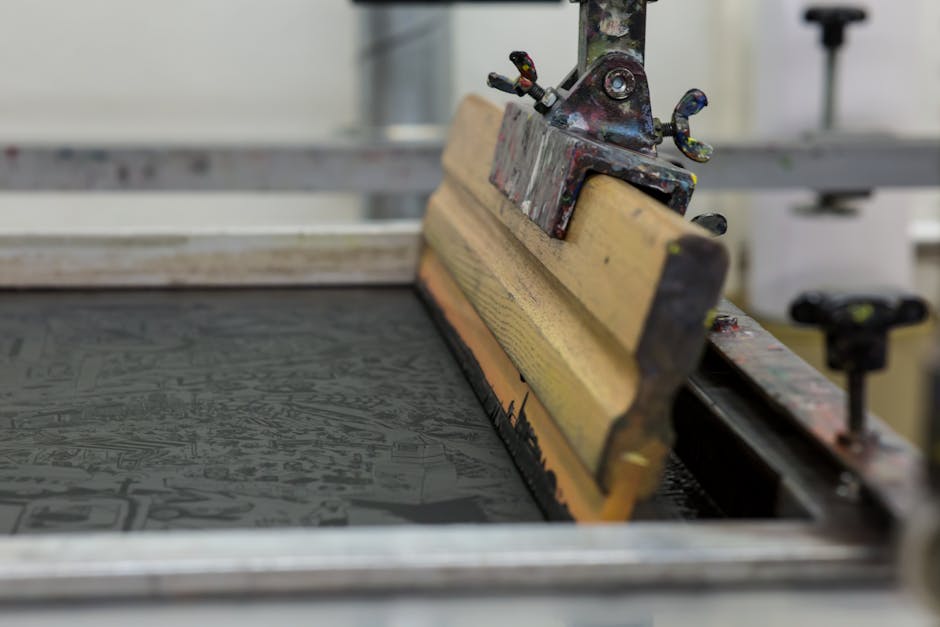
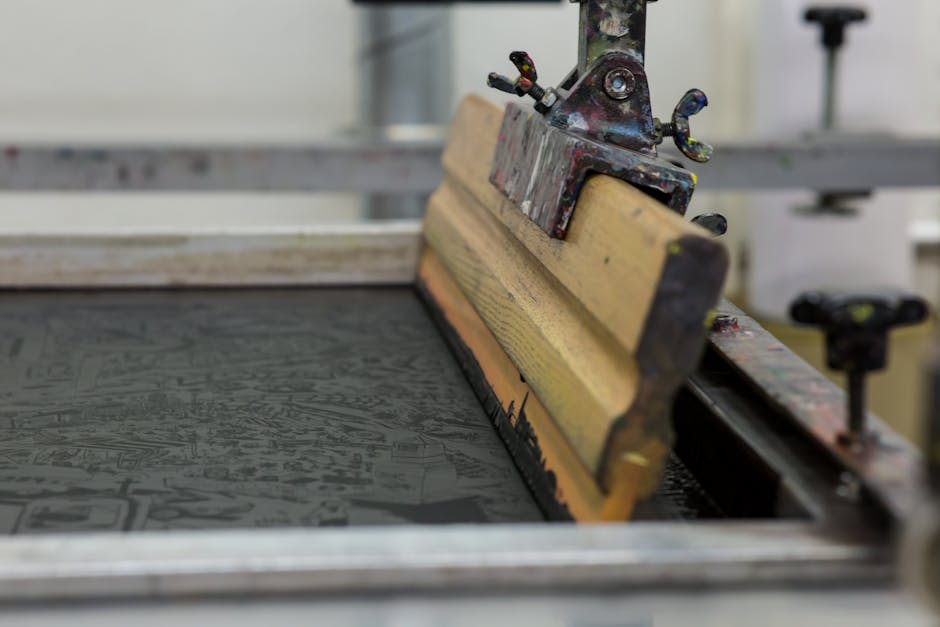
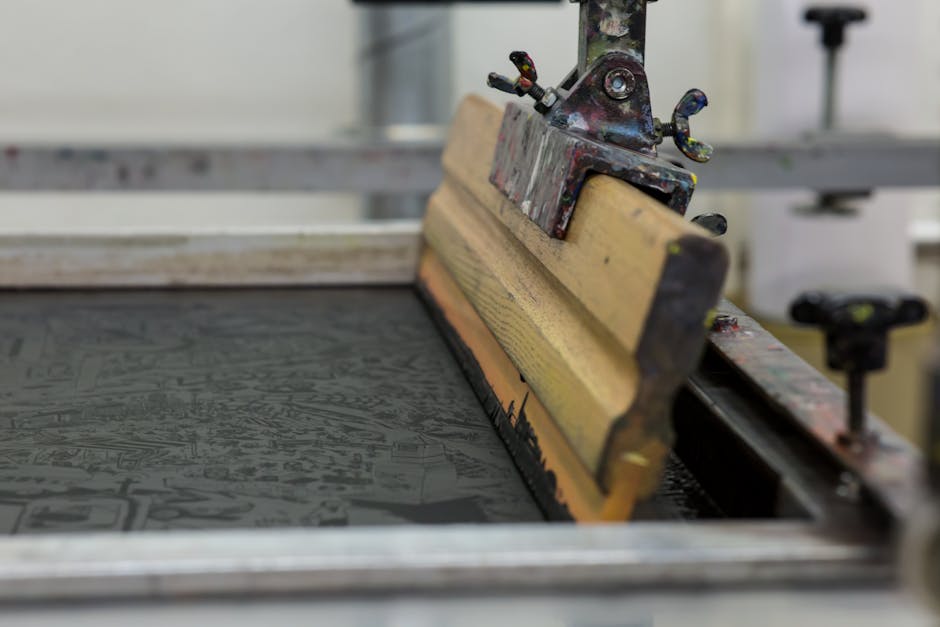
Detailed view of a screen printing setup with a wooden squeegee in Luzern, Switzerland.
Photo: Wendelin Jacober

What Are the Material Compatibility Advantages of Each Method?

Material compatibility reveals each method’s strengths clearly:

  • UV Printing Excels On: Metal surfaces, glass items, wooden products, leather goods, rigid plastics, acrylic displays, ceramic tiles, and promotional tech accessories
  • Screen Printing Dominates: Cotton t-shirts, polyester apparel, canvas bags, fabric banners, paper materials, and flexible packaging films
  • Thickness Limitations: UV printing handles items up to 4 inches thick; screen printing works best on flat surfaces under 0.5 inches
  • Surface Textures: UV printing adapts to textured surfaces; screen printing requires smooth, even surfaces for consistent ink coverage

For custom drinkware and tech accessories, UV printing provides unmatched versatility. For corporate apparel and fabric products, screen printing delivers superior results and cost efficiency at volume.

Why Does SUNTOP INC Invest in Both Technologies?

Our dual-technology approach stems from understanding that no single printing method serves every client need perfectly. UV vs screen printing isn’t about one being better – it’s about matching the right technology to your specific project requirements.

We’ve observed that clients increasingly need mixed-method solutions. A corporate gift program might require UV-printed executive awards alongside screen-printed event t-shirts. Our integrated facility allows seamless coordination between departments, ensuring color consistency and timeline alignment across different printing methods.

Our quality control standards apply equally to both technologies. Every printed piece undergoes color accuracy verification, durability testing, and visual inspection before approval. Whether your project uses UV printing, screen printing, or a combination approach, the same zero-defect standard applies throughout production.

Detailed view of a screen printing setup with a wooden squeegee in Luzern, Switzerland.
Photo: Wendelin Jacober

Frequently Asked Questions About UV vs Screen Printing

What is the main difference between UV and screen printing?

UV printing uses digital inkjet technology to print directly on surfaces, while screen printing uses mesh screens and squeegees to push ink through stenciled designs onto materials.

Which printing method is faster for small orders?

UV printing is significantly faster for small orders with no setup time required, while screen printing needs screen preparation and setup, making it slower for quantities under 100 pieces.

Can UV printing work on the same materials as screen printing?

UV printing works on virtually any flat surface including metal, glass, wood, and plastic, while screen printing is primarily limited to fabric, paper, and some flat surfaces.

Which method produces better color accuracy?

UV printing delivers photographic quality with 1440 dpi resolution and precise CMYK color matching, while screen printing offers vibrant spot colors but limited color gradients and detail.

What are the cost differences between UV and screen printing?

UV printing has no setup costs and is cost-effective for small runs, while screen printing becomes more economical for large quantities due to lower per-unit costs after initial setup.

SUNTOP INC operates as an ASI-certified manufacturer (#90174) from our Castle Rock, CO facility, specializing in both UV flatbed printing and screen printing technologies. Our direct manufacturing approach eliminates middlemen costs while maintaining zero-defect quality standards across all printing methods.

Ready to see these printing technologies in action? Request a free factory tour video showcasing both UV and screen printing processes, or get your free quote to discover which method delivers the best results for your upcoming project.

Posted on Leave a comment

UV vs Screen Printing: Which Technology is Better?

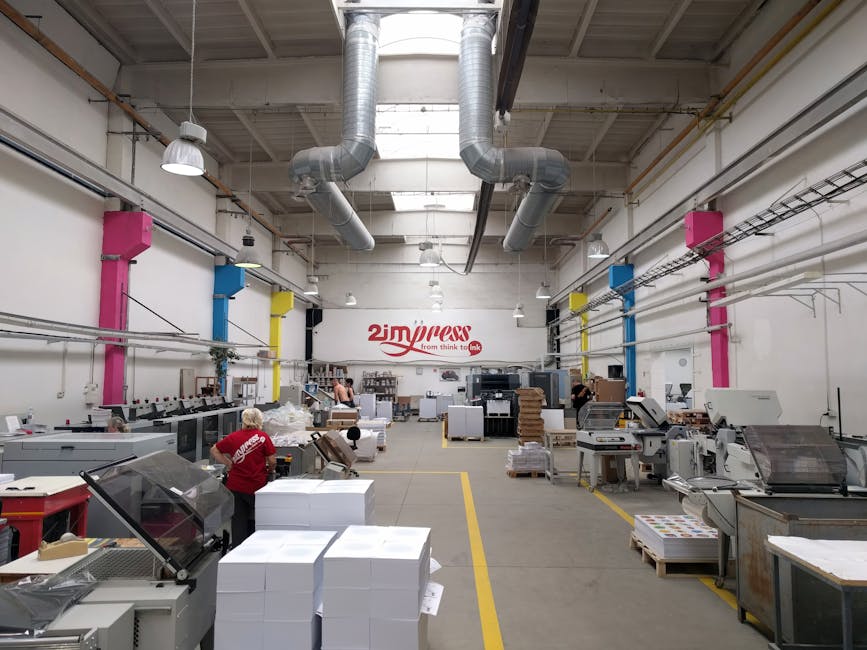
Spacious printing facility with modern machinery and workers engaging in tasks.

It’s 3 PM on a Tuesday, and our production floor is buzzing with activity. Two identical orders just came in—both for 500 aluminum water bottles with full-color logos. One client chose UV printing, the other insisted on screen printing. By the end of the day, you’d see a dramatic difference in setup time, color vibrancy, and final cost. This scenario plays out weekly at our Castle Rock facility, and it perfectly illustrates why understanding printing technology matters for your promotional product investment.

Spacious printing facility with modern machinery and workers engaging in tasks.
Photo: Manuel Campagnoli

The Technical Reality: How Each Process Actually Works

UV printing and screen printing operate on fundamentally different principles, and these differences directly impact your final product quality and project timeline.

UV Flatbed Printing Process: Our UV systems spray microscopic ink droplets directly onto your product surface. Each droplet is instantly cured by high-intensity UV light, creating a chemical bond that’s scratch-resistant and fade-proof. The entire process happens in one pass—full CMYK color plus white ink and protective varnish applied simultaneously. No screens, no setup plates, no drying time.

Screen Printing Process: Screen printing uses a mesh screen for each color in your design. Ink is pushed through the screen onto your product using a squeegee. Each color requires a separate screen, separate pass, and drying time between layers. Complex designs with gradients or photographic elements require color separation and halftone processing.

Where Each Technology Excels

UV Printing Advantages

  • Resolution Superiority: Our UV systems print at 1440 dpi—true photographic quality with smooth gradients and fine text
  • Color Complexity: Unlimited colors without additional setup costs or time penalties
  • Material Versatility: Prints directly on metal, glass, wood, leather, plastic—virtually any flat surface
  • Speed for Short Runs: No setup time means we can print one piece as efficiently as one hundred
  • White Ink Capability: Prints vibrant colors on dark surfaces using our white ink underbase

Screen Printing Strengths

  • Ink Density: Creates thick, opaque color layers—excellent for simple, bold designs
  • Large Volume Economics: Setup costs spread across thousands of pieces can be cost-effective
  • Special Inks: Specialty inks like metallics, glow-in-the-dark, or puff inks
  • Fabric Applications: Traditional choice for apparel and textile products
Detailed view of a screen printing setup with a wooden squeegee in Luzern, Switzerland.
Photo: Wendelin Jacober

SUNTOP’s Quality Control Standards

Regardless of which printing method your project requires, our zero-defect standard applies across all technologies. Every piece undergoes our three-stage inspection process:

  • Pre-Production Approval: Digital proof with exact color matching using Pantone reference
  • First Article Inspection: Physical sample tested for adhesion, color accuracy, and durability
  • Final Quality Audit: Statistical sampling ensures every piece meets specification

For UV printing, we calibrate color profiles daily and maintain our printheads to NASA-grade cleanliness standards. Screen printing operations use controlled mesh tension and ink viscosity measurements that would make a laboratory technician proud.

Real-World Performance Comparison

Let’s return to those aluminum water bottles. The UV-printed batch was completed in 4 hours with photographic logo reproduction and graduated color background. Total setup time: zero. The screen-printed version required 8 hours for screen preparation, 12 hours production time, and overnight curing. The design had to be simplified to 3 spot colors to keep costs reasonable.

Both products looked professional, but the applications suited different needs. The UV version was perfect for a tech company product launch with detailed branding requirements. The screen version worked excellently for a sports team with bold, simple graphics and a large quantity order.

Artisan crafting screen prints indoors, showcasing creativity and skill in handmade art production.
Photo: HONG SON

Making the Right Choice for Your Brand

The technology choice impacts more than just appearance—it affects your timeline, budget flexibility, and brand presentation quality. UV printing gives you photographic reproduction and unlimited design complexity without setup penalties. Screen printing offers durability and cost efficiency for large-volume, simple designs.

As your manufacturing partner, we evaluate every project individually. Sometimes we recommend combining both technologies—UV printing for detailed graphics with screen printing for special effect overlays. Our role is ensuring your promotional products achieve maximum brand impact while respecting your timeline and budget constraints.

Ready to see both technologies in action? Request a factory tour video showing side-by-side production, or send us your artwork for a detailed technology recommendation. Our account managers provide honest guidance based on 30+ years of manufacturing experience—because the right printing choice makes all the difference in your promotional success.