UV vs Screen Printing: Which Delivers Better Results for Your Brand?
UV printing excels for short runs, complex designs, and varied surfaces with 1440 dpi resolution, while screen printing is cost-effective for large quantities of simple designs on fabric and standard materials.
Key Facts:
- UV printing achieves photographic quality at 1440 dpi resolution with zero setup fees
- Screen printing remains the gold standard for high-volume textile production
- SUNTOP’s UV flatbed systems print on materials up to 4 inches thick
- Our Castle Rock, CO facility combines both technologies for optimal results
In our Castle Rock manufacturing facility yesterday, we ran two identical corporate logo orders side by side—one on our UV flatbed system, another on traditional screen printing equipment. The client needed 500 stainless steel water bottles and 500 cotton tote bags. This real-world scenario perfectly illustrates when each technology shines.
As promotional product manufacturers, we’ve mastered both UV printing and screen printing technologies. Each method has distinct advantages, and understanding these differences helps you make the right choice for your brand’s specific needs.
What Makes UV Printing Superior for Complex Projects?
UV printing revolutionizes how we approach promotional product customization. Our UV flatbed systems use digital technology to cure inks instantly with ultraviolet light, creating permanent, scratch-resistant graphics directly on virtually any surface.
The magic happens in the precision. Unlike screen printing’s mesh-based ink transfer, UV printing deposits exact amounts of ink exactly where needed. This digital control enables photographic reproduction quality at 1440 dpi—impossible with traditional methods.
Material versatility sets UV printing apart. We regularly print on stainless steel, bamboo, glass, leather, acrylic, and wood—materials that would challenge or defeat screen printing entirely. The UV inks bond chemically with surfaces during curing, creating fade-resistant graphics that withstand daily use.
How Does Screen Printing Achieve Vibrant, Long-Lasting Results?
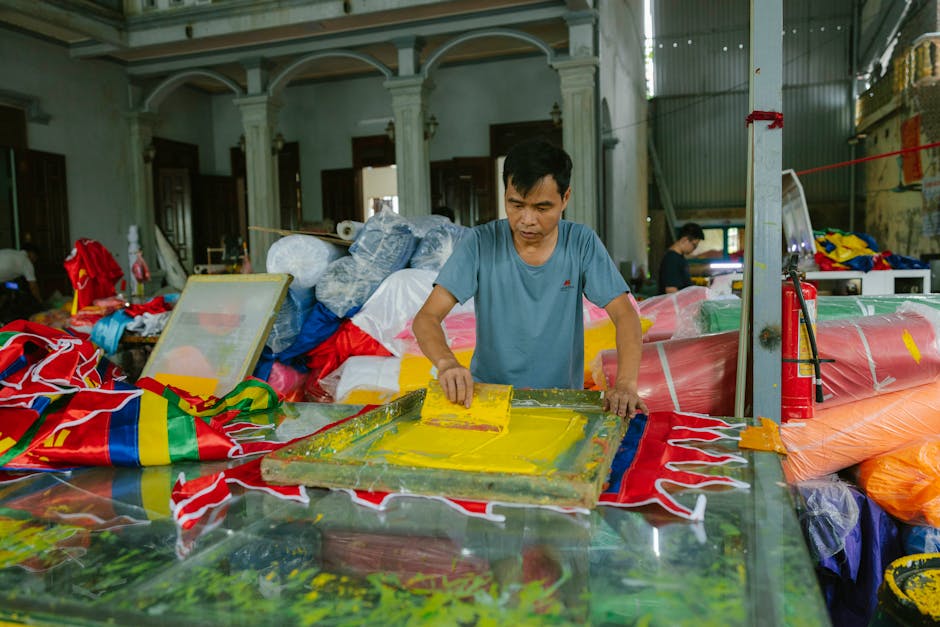
Screen printing remains the textile industry’s workhorse for good reason. This time-tested process pushes specially formulated inks through fine mesh screens, creating thick, vibrant layers that penetrate fabric fibers deeply.
The screen printing advantage emerges in high-volume production:
- Color intensity: Screen inks create bold, opaque coverage that stands out dramatically
- Volume efficiency: Once screens are prepared, production speeds reach hundreds of pieces per hour
- Special effects: Metallic inks, puff printing, and textured finishes excel with screen printing
- Fabric compatibility: Works seamlessly with cotton, polyester blends, and performance fabrics
- Wash durability: Properly cured screen printed garments survive hundreds of wash cycles
However, screen printing requires careful color separation and setup time. Each color demands a separate screen, making simple designs more economical than complex, multi-color artwork.
Why Do Production Costs Vary Between These Methods?
Cost considerations often determine which printing method makes financial sense for your project. The break-even point typically occurs around 100-200 pieces, depending on design complexity.
UV printing eliminates setup fees entirely. No screens to create, no color separations to prepare. We can print one piece as economically as fifty pieces. This makes UV ideal for promotional products requiring personalization, small corporate gifts, or test marketing campaigns.
Screen printing’s economics work differently. Initial setup costs—screen preparation, registration, and press setup—spread across larger quantities. At 500+ pieces, screen printing often becomes more cost-effective per unit than UV printing.
Which Method Delivers Better Durability and Quality?
Quality and durability depend more on proper execution than the printing method itself. Both technologies, when professionally applied, create promotional products that maintain brand integrity for years.
UV printing advantages include:
- Scratch-resistant surface that protects graphics from daily wear
- UV-stable inks that resist fading under sunlight exposure
- Chemical resistance suitable for items exposed to cleaning products
- Precise detail reproduction that maintains crisp edges indefinitely
Screen printing durability shines in different areas. The thick ink deposits create flexible, breathable graphics on textiles that move naturally with fabric. Properly cured screen prints survive industrial washing, making them ideal for workwear and uniforms.
How Do You Choose the Right Method for Your Project?
Project requirements should drive your printing method selection. We guide clients through this decision by evaluating five key factors: quantity, material, design complexity, budget, and timeline.
Choose UV printing when you need photographic quality, multiple materials in one order, small quantities, or rapid turnaround. Our UV systems excel at custom awards, executive gifts, and tech accessories where precision matters.
Select screen printing for large textile orders, bold simple graphics, special ink effects, or maximum color vibrancy. T-shirts, tote bags, and apparel items benefit from screen printing’s textile-specific advantages.
Many successful campaigns combine both methods strategically. We might UV print corporate logos on metal water bottles while screen printing the same design on matching t-shirts—leveraging each technology’s strengths within a cohesive brand campaign.
Frequently Asked Questions About UV vs Screen Printing
What is the main difference between UV and screen printing?
UV printing uses digital UV-cured inks directly applied to surfaces, while screen printing pushes ink through mesh stencils. UV offers higher detail and surface versatility; screen printing provides vibrant colors on fabric.
Which is more cost-effective for small orders?
UV printing is more cost-effective for small orders because it requires no setup fees or screen creation. Screen printing becomes economical only at higher quantities due to initial setup costs.
Can UV printing work on all materials?
UV printing works on virtually any flat surface up to 4 inches thick, including metal, glass, wood, leather, and plastic. Screen printing is limited primarily to fabric and porous materials.
Which printing method lasts longer?
Both methods offer excellent durability. UV printing provides scratch-resistant, fade-resistant results with eco-friendly inks. Screen printing delivers long-lasting vibrant colors, especially on textiles with proper curing.
How quickly can orders be completed with each method?
UV printing offers faster turnaround with no setup time and immediate printing capability. Screen printing requires screen preparation time but can produce large quantities quickly once setup is complete.
SUNTOP INC, an ASI-certified manufacturer (#90174) based in Castle Rock, CO, combines UV flatbed printing and screen printing technologies to deliver optimal results for promotional products. Our zero-defect quality standards and factory-direct pricing serve clients across 50+ countries.
Ready to discover which printing method works best for your next promotional campaign? Our production experts provide free consultations and can arrange a virtual factory tour showcasing both UV and screen printing capabilities. Request your free quote today and experience the SUNTOP difference.