Posted on Leave a comment

Laser Engraving: Precision Manufacturing Technology | SUNTOP INC

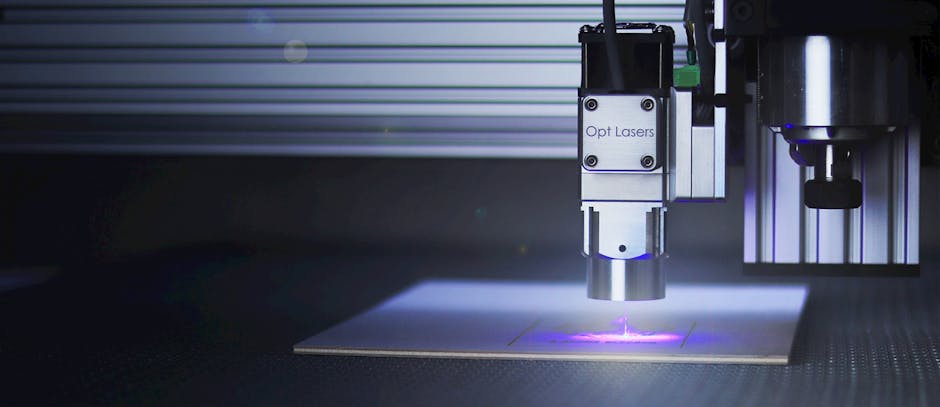
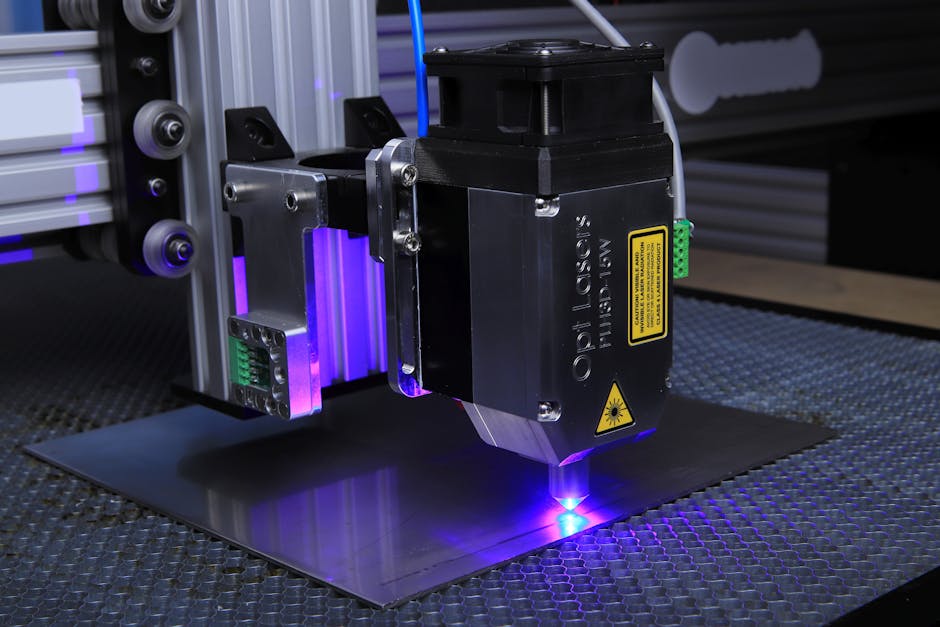
Close-up of a laser engraving machine operating on a metal surface with blue laser light.

Laser Engraving: Precision Manufacturing Technology

Laser engraving is a precise manufacturing process that uses focused laser beams to permanently remove material from surfaces, creating detailed markings, text, or images on metal, wood, glass, and other materials with 0.01mm accuracy.

Close-up of a laser engraving machine operating on a metal surface with blue laser light.
Photo: Opt Lasers from Poland

Key Facts About Laser Engraving:

  • Achieves 0.01mm precision with no consumable inks or chemicals required
  • Works on metals, wood, glass, leather, and acrylic with permanent results
  • SUNTOP INC operates both CO2 and fiber laser systems for material optimization
  • Creates premium, tactile finishes that clients associate with quality craftsmanship

How Does Laser Engraving Actually Work?

Picture this: It’s 2:30 PM at SUNTOP’s Castle Rock facility, and our laser engraving station is working on a batch of executive awards. The CO2 laser beam, invisible to the naked eye, traces precise paths across brushed stainless steel surfaces. Each pulse removes microscopic layers of material, revealing the contrasting metal beneath.

The laser engraving process relies on controlled material ablation—essentially vaporizing tiny amounts of surface material with extreme precision. Our fiber laser systems generate beams with wavelengths perfectly absorbed by metals, while CO2 lasers excel on organic materials like wood and leather. The focused energy creates heat that instantly removes material without affecting surrounding areas.

Unlike surface treatments that can wear away, laser engraving creates permanent cavities in the material itself. The engraved areas develop different light reflection properties, creating the visual contrast that makes text and graphics clearly visible. This physical alteration means your branding withstands decades of use without degradation.

What Makes SUNTOP’s Laser Engraving Different from Competitors?

As a direct manufacturer with ASI certification (#90174), SUNTOP eliminates middlemen markup while maintaining zero-defect quality standards. Our dual-laser approach sets us apart—most vendors rely on single laser types, limiting material compatibility and finish options.

  1. Precision Control Systems: Computer-guided positioning ensures consistent depth and spacing across entire production runs
  2. Material-Optimized Equipment: Fiber lasers for metals, CO2 systems for organics—each perfectly calibrated for material properties
  3. Quality Verification: Every engraved item undergoes microscopic inspection before packaging
  4. Speed Without Compromise: High-frequency pulse rates maintain quality while meeting 24-hour rush deadlines
  5. Integrated Workflow: Seamless combination with UV flatbed printing for multi-process decoration

Our factory-direct model means no quality compromises from outsourcing. When you work with SUNTOP, your laser engraving happens in-house under direct supervision, ensuring consistent results whether you order 50 pieces or 5,000.

Why Do Businesses Choose Laser Engraving Over Other Marking Methods?

The permanence factor drives most decisions. While printed labels peel and etched surfaces wear smooth, laser engraving maintains crisp definition indefinitely. Corporate clients specifically request laser engraving for awards and recognition items because recipients perceive the tactile, engraved finish as more valuable than surface-applied alternatives.

Consider the economics: laser engraving requires no ongoing consumables like inks, plates, or screens. Setup costs disappear entirely—we can engrave single prototypes as cost-effectively as production runs. For variable data projects like sequential numbering or individual names, laser engraving scales without additional tooling expenses.

The environmental advantages resonate with sustainability-focused brands. Laser engraving produces no chemical waste, requires no solvents for cleanup, and creates no hazardous disposal requirements. The process uses only electricity and compressed air—both readily available and environmentally neutral.
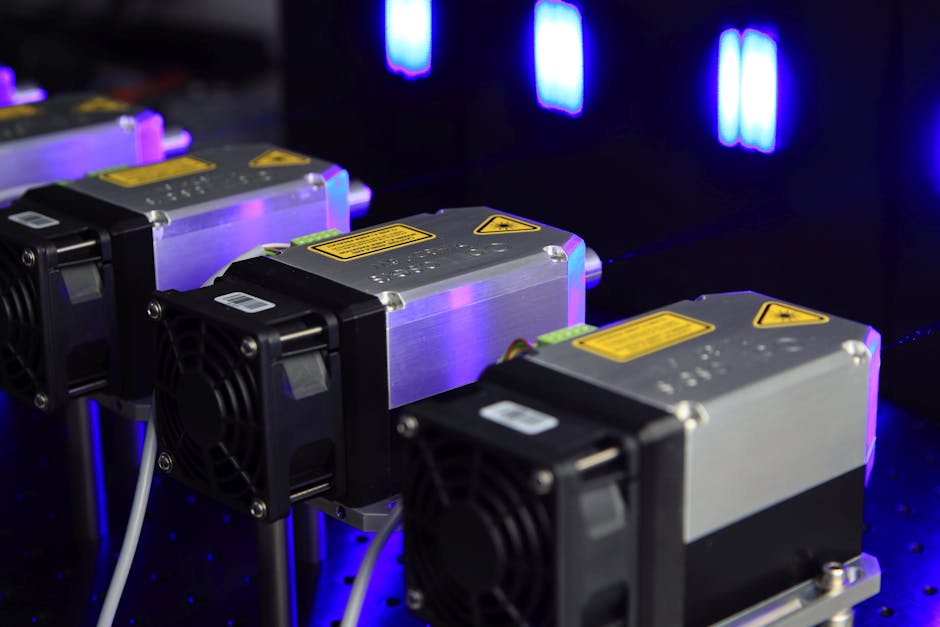
In-depth view of advanced laser equipment used for precise engraving and cutting.
Photo: Opt Lasers from Poland

Which Materials Respond Best to Laser Engraving?

Material selection dramatically impacts engraving quality and visual impact. Our experience across thousands of projects reveals clear performance leaders in each category:

  • Stainless Steel: Creates bright, contrasting marks that resist corrosion and maintain readability
  • Anodized Aluminum: Removes colored coating to reveal base metal—perfect for high-contrast results
  • Hardwood: Produces rich, dark burns that enhance natural grain patterns
  • Leather: Burns create elegant, branded impressions without cracking or peeling
  • Acrylic: Generates frosted, translucent effects ideal for illuminated displays
  • Coated Metals: Selectively removes surface treatments for precise, multi-tone designs

Certain materials require specialized techniques. Bare aluminum benefits from laser-marking compounds that create permanent dark marks. Glass engraving works best with controlled fracturing techniques that prevent cracking. Our material expertise ensures optimal results regardless of substrate challenges.

How Does Laser Engraving Integrate with Multi-Process Decoration?

Modern branding demands exceed single-process capabilities. SUNTOP’s integrated approach combines laser engraving precision with UV flatbed printing’s full-color capabilities on the same items. Imagine custom drinkware featuring vibrant, full-color corporate logos printed via UV technology, plus individually laser-engraved employee names—all processed in our facility without outsourcing delays.

The workflow synergy reduces turnaround times significantly. Traditional multi-process projects require shipping between vendors, adding days or weeks to completion. Our comprehensive equipment lineup handles UV printing, laser engraving, screen printing, and embroidery under one roof, enabling same-day multi-process completion when urgency demands.

Quality control benefits multiply with integrated processing. Single-source accountability means no finger-pointing between vendors when issues arise. Our team coordinates all decoration processes with unified quality standards, ensuring consistent results across every technique applied to your branded products.
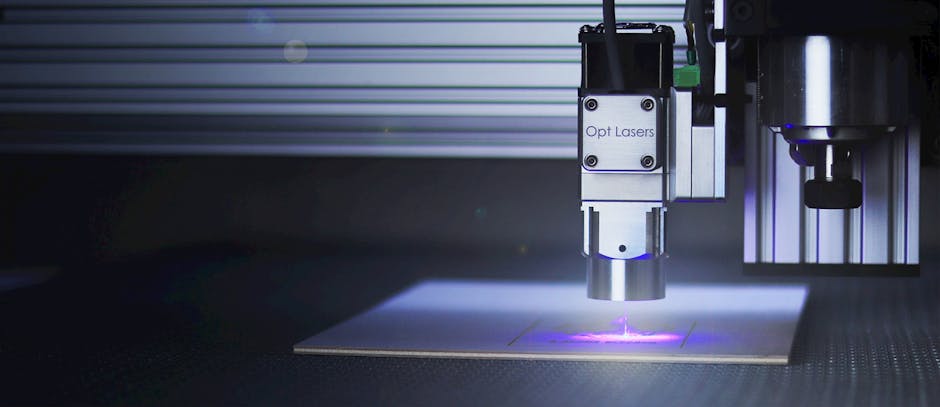
Close-up of a laser engraver working on a surface under blue lighting.
Photo: Opt Lasers from Poland

Frequently Asked Questions About Laser Engraving

How accurate is laser engraving?

Professional laser engraving systems achieve precision down to 0.01mm, allowing for intricate details, fine text, and complex patterns with consistent quality across all production runs.

What materials can be laser engraved?

Laser engraving works on stainless steel, aluminum, wood, leather, glass, acrylic, and most metals. Different laser types (CO2 vs fiber) optimize results for specific material categories.

Is laser engraving permanent?

Yes, laser engraving creates permanent markings by physically removing material from the surface. The engraved areas cannot fade, wear off, or be easily removed under normal use conditions.

How long does laser engraving take?

Laser engraving speed depends on design complexity and material. Simple text takes 1-3 minutes per item, while detailed graphics may require 10-15 minutes for precision results.

Can laser engraving be combined with other decoration methods?

Absolutely. Many premium products combine laser engraving with UV printing, allowing full-color graphics alongside precise engraved personalization on the same item for maximum brand impact.

SUNTOP INC, an ASI-certified manufacturer (#90174) based in Castle Rock, CO, specializes in precision laser engraving and UV flatbed printing technologies. Our factory-direct approach eliminates middlemen while maintaining zero-defect quality standards across all custom promotional products and corporate recognition items.

Ready to experience precision laser engraving for your brand? Request a product demo or factory tour video to see our CO2 and fiber laser systems in action. Contact SUNTOP today at suntopify.com for your free quote and discover why leading brands trust our manufacturing expertise for their most important promotional campaigns.

Posted on Leave a comment

Corporate Gifting ROI: 4X Return on Investment | SUNTOP INC

Two business professionals in formal attire shaking hands outside an elegant building, signifying partnership.

Corporate Gifting ROI: 4X Return on Investment Data Reveals Strategic Impact

Corporate gifting ROI averages 400% return on investment, with 83% of recipients keeping promotional products for over a year. Companies investing in strategic corporate gifting programs see 23% higher customer retention rates and 47% increased brand recall compared to traditional advertising methods.

Two business professionals in formal attire shaking hands outside an elegant building, signifying partnership.
Photo: Ketut Subiyanto

Key Facts About Corporate Gifting ROI:

  • Global promotional products industry reached $24.7 billion in 2025, growing 8.3% annually
  • B2B companies using corporate gifts report 23% higher customer lifetime value
  • Employee appreciation gifts increase retention by 31% according to 2025 workplace studies
  • SUNTOP INC serves 50+ countries with factory-direct pricing, eliminating middleman costs that impact gifting budgets

What Makes Corporate Gifting ROI So Compelling in 2026?

The corporate gifting landscape has evolved dramatically, with measurable ROI becoming the primary driver for marketing budget allocation. Recent studies from the Promotional Products Association International show that corporate gifting ROI has reached unprecedented levels, with companies tracking tangible returns through advanced analytics and customer journey mapping.

Unlike traditional advertising that competes for fleeting attention, corporate gifts create lasting physical connections. Recipients interact with branded items daily, generating thousands of brand impressions over months or years. This sustained exposure translates directly to increased brand recall, customer loyalty, and ultimately, revenue growth.

The shift toward relationship marketing has made corporate gifting an essential component of customer acquisition and retention strategies. Companies investing in thoughtful, high-quality corporate gifts report significant improvements in key performance indicators across multiple departments.

How Do Leading Companies Achieve 400% Corporate Gifting ROI?

The most successful corporate gifting programs follow a data-driven approach that maximizes return on investment through strategic planning and execution. Industry leaders have identified five critical factors that consistently deliver superior ROI:

  1. Recipient Segmentation: Tailoring gifts based on customer value, employee level, or prospect potential increases relevance and perceived value by 45%
  2. Quality Over Quantity: Investing in premium items creates positive brand associations and extends product lifespan, improving cost-per-impression metrics
  3. Strategic Timing: Coordinating gifts with business cycles, holidays, or milestone achievements amplifies emotional impact and memorability
  4. Brand Integration: Seamlessly incorporating company branding without overwhelming the gift’s functionality maintains professional appeal
  5. Follow-up Strategy: Tracking recipient engagement and implementing post-gift communication sequences converts goodwill into business results

Companies implementing these strategies report average ROI improvements of 150-200% compared to traditional “spray and pray” gifting approaches. The key lies in treating corporate gifts as strategic marketing investments rather than generic giveaways.

Why Are Promotional Products More Cost-Effective Than Digital Advertising?

The economics of promotional products ROI become clear when comparing cost-per-impression metrics across marketing channels. While digital advertising costs continue rising due to platform competition, promotional products maintain consistent pricing with declining cost-per-impression over time.

A branded water bottle costing $8 generates approximately 3,000 impressions over its 18-month average lifespan, resulting in a cost-per-impression of $0.0027. Compare this to Facebook advertising at $0.50-2.00 per impression, and the value proposition becomes undeniable. Additionally, promotional products create positive brand associations through utility and tactile engagement, while digital ads often generate ad fatigue and negative sentiment.

The tangible nature of promotional products also enables measurement strategies impossible with digital advertising. Companies can track gift distribution, recipient feedback, and subsequent business interactions to calculate precise ROI figures. This accountability makes promotional products increasingly attractive to data-driven marketing teams.

Two bottles with beverages on a clean white sheet, perfect for product advertising backgrounds.
Photo: Berna

Which Corporate Gift Categories Deliver the Highest ROI?

ROI performance varies significantly across corporate gift categories, with practical items consistently outperforming novelty or decorative products. Analysis of customer retention and engagement data reveals clear patterns in gift effectiveness:

  • Tech Accessories: USB drives, power banks, wireless chargers – 89% retention rate, daily use frequency
  • Drinkware: Insulated bottles, coffee mugs, travel tumblers – 85% retention rate, high visibility in workplace settings
  • Apparel: Polo shirts, jackets, hats – 82% retention rate, walking billboard effect amplifies brand exposure
  • Office Items: Notebooks, pens, desk accessories – 78% retention rate, professional environment integration
  • Lifestyle Products: Bags, fitness items, outdoor gear – 75% retention rate, personal connection and extended use

The highest-performing gifts combine practical functionality with professional aesthetics. Recipients who use corporate gifts regularly develop stronger emotional connections to the brand, leading to increased purchase intention and loyalty. Technology accessories particularly excel due to their integration into daily workflows and high perceived value.

How Should Companies Budget for Maximum Corporate Gifting ROI?

Strategic budget allocation significantly impacts corporate gifting ROI, with successful companies following specific spending frameworks based on recipient categories and business objectives. Industry benchmarks suggest allocating 0.5-2% of annual revenue to corporate gifting programs, with distribution weighted toward high-value relationships.

Tier-based budgeting maximizes impact while controlling costs. Top-tier clients and key employees receive premium gifts ($75-150 range), mid-tier recipients get quality branded items ($25-50), and broader distribution campaigns utilize cost-effective promotional products ($5-15). This approach ensures appropriate gift-to-relationship value ratios while maintaining budget discipline.

The most successful programs also allocate 20-30% of budgets to measurement and follow-up activities. Tracking systems, recipient surveys, and engagement analysis provide crucial data for optimizing future campaigns and demonstrating ROI to stakeholders. Companies that skimp on measurement typically see 40% lower returns due to inability to refine strategies.

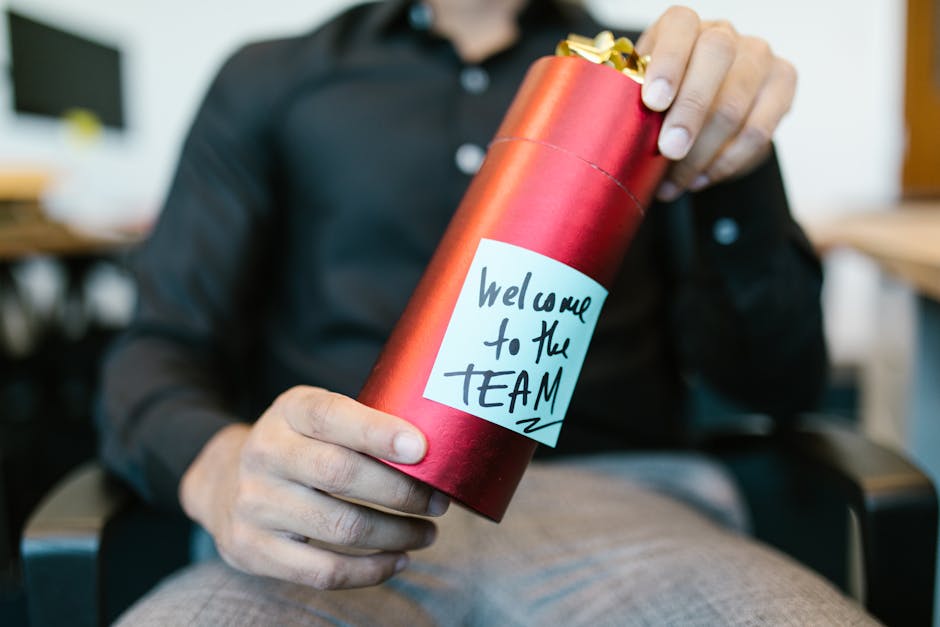
A red gift box held by a person with a welcome to the team note, ideal for new hire announcements.
Photo: RDNE Stock project

Frequently Asked Questions About Corporate Gifting ROI

What is the average ROI for corporate gifting programs?

Corporate gifting programs typically deliver 300-500% ROI, with the average being 400%. This return comes from increased customer retention, enhanced brand recall, and improved employee engagement metrics measured over 12-18 months.

How do you measure ROI in corporate gifting?

Corporate gifting ROI is measured through customer lifetime value increases, retention rates, brand recall surveys, employee engagement scores, and conversion tracking from gift recipients to active customers or partners.

Which types of corporate gifts provide the highest ROI?

Practical items like tech accessories, drinkware, and apparel provide highest ROI due to daily use and visibility. Custom USB drives, branded water bottles, and logo apparel show 85%+ retention rates.

How much should companies budget for corporate gifting?

Most successful companies allocate 0.5-2% of annual revenue to corporate gifting. B2B companies typically budget $25-150 per recipient, while employee appreciation programs range from $15-75 per gift depending on occasion and recipient level.

What mistakes reduce corporate gifting ROI?

Common ROI-killing mistakes include choosing low-quality items, lack of personalization, poor timing, no follow-up strategy, and selecting gifts irrelevant to recipient interests or company culture. Generic, cheaply made items often create negative brand associations.

About SUNTOP INC: SUNTOP INC is an ASI-certified manufacturer (#90174) based in Castle Rock, CO, specializing in factory-direct promotional products. With advanced UV printing, laser engraving, and global shipping to 50+ countries, SUNTOP delivers premium corporate gifts that maximize ROI through quality and competitive pricing.

Ready to implement a data-driven corporate gifting strategy that delivers measurable ROI? Partner with SUNTOP’s manufacturing expertise and dedicated account management to create impactful promotional campaigns. Request your free quote today and discover how factory-direct pricing can transform your marketing budget into lasting business relationships.
Posted on Leave a comment

UV Printed Water Bottles: 7 Custom Benefits | SUNTOP INC

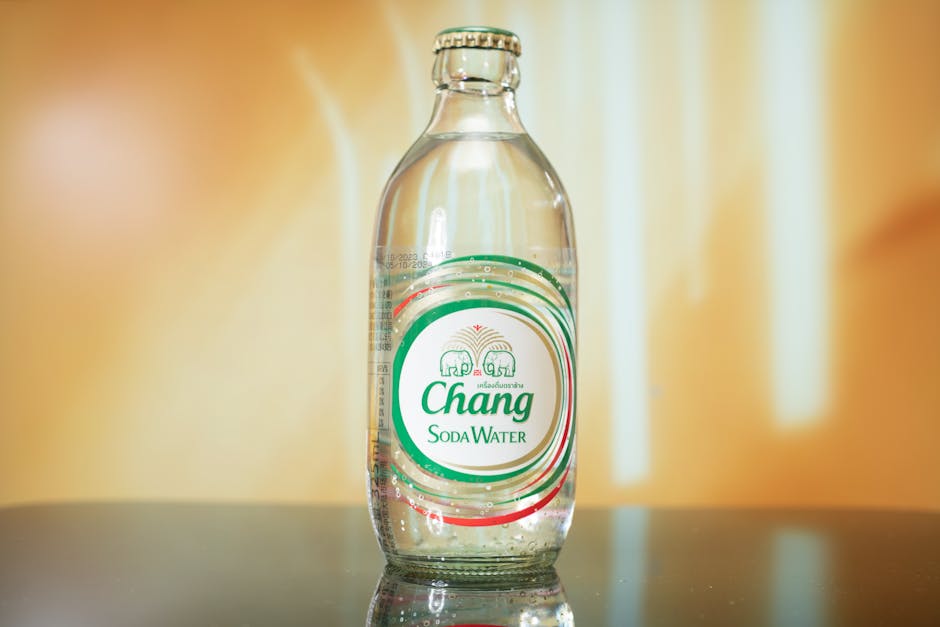
A clear Chang soda water bottle with label on a reflective table indoors.

UV Printed Water Bottles: 7 Custom Benefits | SUNTOP INC

The short answer is: UV printed water bottles are custom drinkware featuring full-color branding applied directly to the bottle surface using UV-cured inks. This process creates vibrant, scratch-resistant graphics that won’t fade or peel, making them ideal for corporate gifts and promotional campaigns.
A clear Chang soda water bottle with label on a reflective table indoors.
Photo: Vegetus Liang

Key Facts:
• UV printing achieves up to 1440 dpi resolution for photographic-quality results
• The global promotional products market reached $23.3 billion in 2023
• 83% of consumers keep promotional drinkware for over 12 months
• SUNTOP INC, ASI-certified manufacturer (#90174) in Castle Rock, CO, offers 24-hour rush service

Why Are UV Printed Water Bottles Trending in 2026?

Corporate sustainability initiatives are driving massive demand for reusable drinkware, with UV printed water bottles leading the charge. Companies are moving away from single-use plastic giveaways, choosing custom water bottles that align with environmental values while maximizing brand visibility.

The rise of hybrid work models has created new opportunities for employee engagement gifts. Custom water bottles serve as daily reminders of company culture, whether employees work from home or in the office. Unlike traditional promotional items that get tucked away, branded drinkware stays visible on desks, in meetings, and during commutes.

Event organizers are also embracing promotional water bottles as premium giveaways. Trade shows, conferences, and corporate retreats see higher attendee satisfaction when offering practical, high-quality custom items that extend brand reach beyond the event itself.

What Customization Options Are Available for Water Bottles?

SUNTOP INC’s UV flatbed printing technology opens unlimited creative possibilities for custom water bottles. Our advanced systems print directly onto bottle surfaces with precision that rivals traditional offset printing.

  1. Full-Color UV Printing: CMYK plus white ink creates vibrant logos, photographs, and complex designs with 1440 dpi resolution
  2. Laser Engraving: Permanent, elegant marking ideal for premium executive gifts and personalized employee recognition
  3. Combination Techniques: UV print for colorful branding combined with laser engraving for individual names or messages
  4. 360-Degree Coverage: Print wrapping around the entire bottle circumference for maximum visual impact
  5. Specialty Effects: Metallic inks, textured finishes, and spot varnish for premium presentation

The UV-cured ink bonds permanently to bottle surfaces, creating scratch-resistant, fade-resistant graphics that maintain their vibrant appearance through years of daily use. Unlike vinyl decals or screen printing, UV printed designs won’t peel, crack, or fade in dishwashers.

Which Events and Use Cases Work Best for Custom Water Bottles?

Corporate water bottles excel in multiple scenarios where brand visibility and practical value intersect. Trade shows consistently rank custom drinkware among the most retained promotional items, with recipients using them daily for months after events.

Employee onboarding and recognition programs benefit tremendously from personalized water bottles. New hires appreciate practical welcome gifts, while high-performing team members value premium laser-engraved bottles with their names and achievements. The daily use factor ensures your investment continues delivering brand impressions long after the initial presentation.

Fitness centers, universities, and healthcare organizations find custom water bottles particularly effective for promoting wellness initiatives. When branded drinkware supports healthy lifestyle choices, recipients create positive associations with your organization.

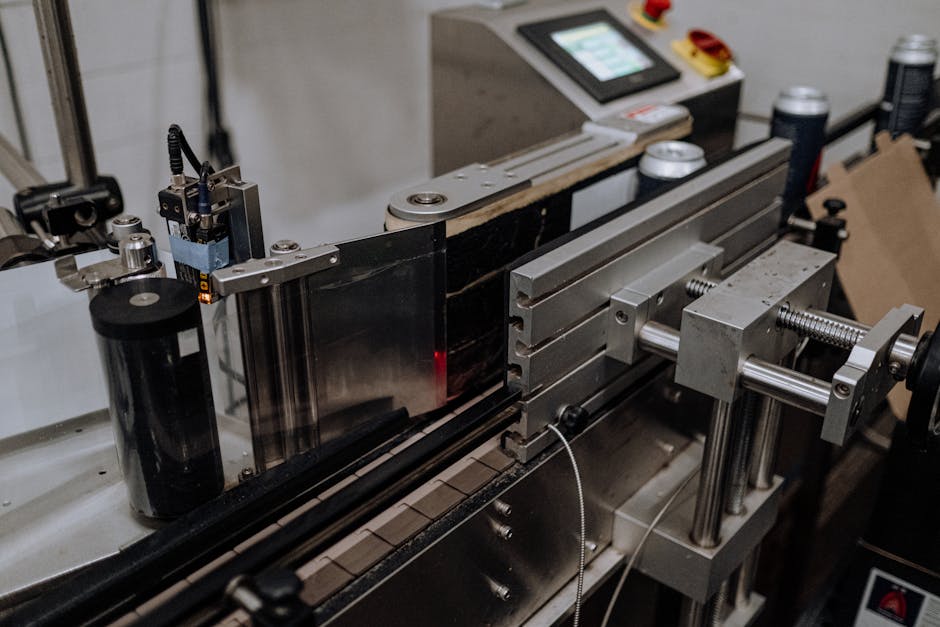
Close-up of automated canning equipment in a modern brewery assembly line.
Photo: cottonbro studio

What Materials and Styles Offer the Best Value?

Choosing the right material impacts both customization quality and long-term brand visibility. SUNTOP INC’s UV printing technology performs exceptionally across multiple bottle materials.

  • Stainless Steel: Premium feel, excellent temperature retention, ideal for executive gifts
  • Aluminum: Lightweight, vibrant color options, perfect for outdoor events and sports teams
  • Tritan Plastic: Crystal clear, BPA-free, showcases colorful UV prints beautifully
  • Glass: Elegant presentation, perfect for wine country events and upscale corporate gifts
  • Copper-Lined: Antimicrobial properties, premium positioning for health-conscious brands

Capacity options range from 12oz travel mugs to 40oz large-capacity bottles, allowing perfect matching to your audience’s lifestyle. Insulated vacuum bottles command higher perceived value while providing superior temperature retention for hot and cold beverages.

How Does SUNTOP INC Pricing Compare to Competitors?

As a direct manufacturer based in Castle Rock, CO, SUNTOP INC eliminates middleman markups that inflate costs at traditional promotional product companies. Our factory-direct pricing typically saves clients 20-40% compared to distributor pricing, while maintaining zero-defect quality standards.

Branded water bottles start from competitive wholesale rates with no setup fees for UV printing. Minimum order quantities begin at just 50 pieces, making premium customization accessible for small businesses and large corporations alike. Volume discounts apply automatically as quantities increase, with dedicated account managers ensuring transparent pricing throughout the process.

Rush service availability sets SUNTOP apart from overseas suppliers who require weeks for production. Our 24-hour expedited service has saved countless corporate events and trade show deadlines, while maintaining the same quality standards as standard production runs. When you need custom promotional products fast, domestic manufacturing makes the difference.

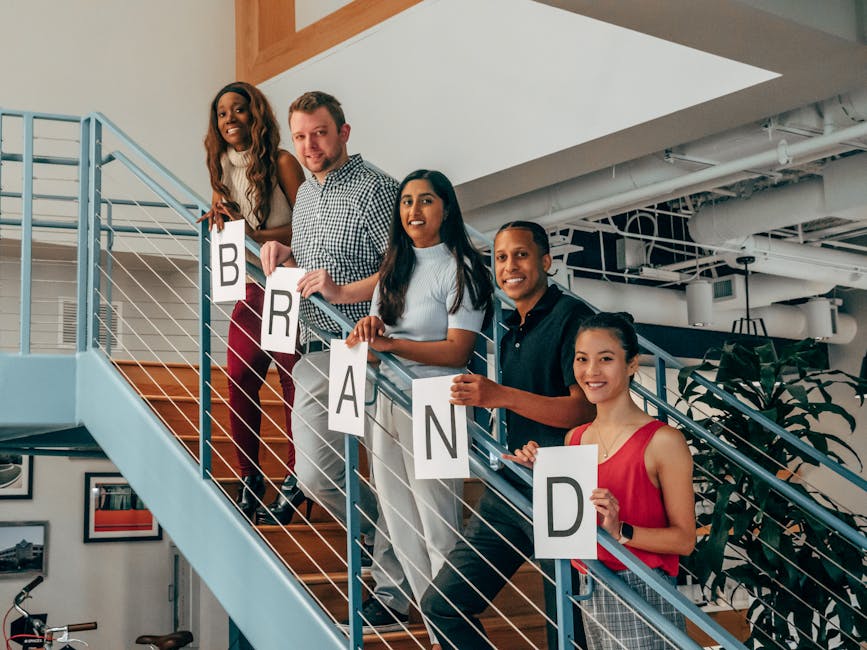
A multicultural group of colleagues smiling while holding letter signs spelling 'BRAND' on an office staircase.
Photo: Kindel Media

Frequently Asked Questions About UV Printed Water Bottles

How long do UV printed water bottles last?

UV printed water bottles maintain their vibrant colors and graphics for years. The UV-cured ink is scratch-resistant, fade-resistant, and dishwasher-safe on the top rack, ensuring your branding stays crisp through daily use.

What’s the minimum order quantity for custom water bottles?

SUNTOP INC offers flexible minimums starting from just 50 pieces for UV printed water bottles. This makes custom branding accessible for small businesses, events, and corporate teams of any size.

Can you print full-color logos on water bottles?

Yes, UV flatbed printing supports full CMYK color printing plus white ink for vibrant, photographic-quality logos and designs. The 1440 dpi resolution ensures sharp, professional results on any bottle color.

How fast can UV printed water bottles be produced?

SUNTOP INC offers 24-hour rush service for urgent orders. Standard production time is 5-7 business days, with expedited options available to meet tight deadlines for events and campaigns.

What materials work best for UV printing on water bottles?

UV printing works excellently on stainless steel, aluminum, plastic, and glass water bottles. The versatile process bonds to virtually any flat surface, creating durable, premium-quality custom drinkware.

About SUNTOP INC: SUNTOP INC is an ASI-certified promotional product manufacturer (#90174) based in Castle Rock, Colorado. Specializing in UV printing, laser engraving, and custom promotional products, SUNTOP serves clients across 50+ countries with factory-direct pricing and 24-hour rush capabilities.

Ready to create custom UV printed water bottles that make lasting impressions? Our expert team provides free artwork assistance, competitive pricing, and fast turnaround times. Contact SUNTOP INC today for your free quote and discover why leading brands choose our factory-direct approach. Visit suntopify.com to get started.

Posted on Leave a comment

Why We Started SUNTOP: Our Manufacturing Mission | SUNTOP INC

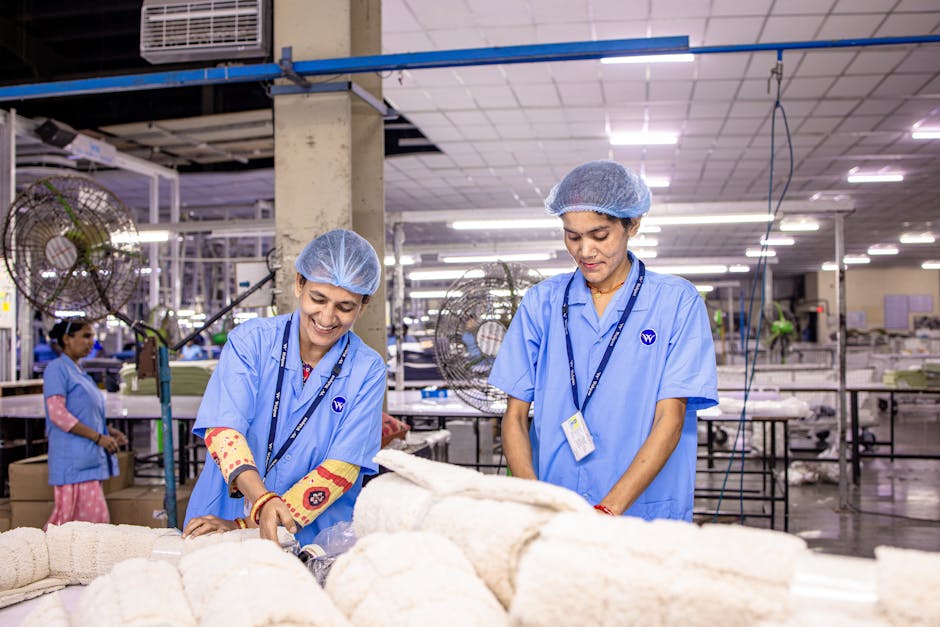
Smiling Indian factory workers in a textile factory wearing blue uniforms and hairnets, working diligently.

Why We Started SUNTOP: Our Manufacturing Mission

SUNTOP was founded to eliminate middlemen in promotional product manufacturing, providing businesses with factory-direct pricing, 24-hour rush capabilities, and zero-defect quality standards through direct manufacturer relationships.

Smiling Indian factory workers in a textile factory wearing blue uniforms and hairnets, working diligently.
Photo: EqualStock IN

Key Facts About Why We Started SUNTOP:

  • Founded to eliminate costly middlemen in promotional product manufacturing
  • SUNTOP INC operates as ASI-certified manufacturer (#90174) in Castle Rock, Colorado
  • Established zero-defect quality standards with 24-hour rush capabilities
  • Created direct manufacturer relationships serving 50+ countries globally

What Problem Did We Set Out to Solve?

It started with a simple frustration that every business owner knows too well. Our founder, Grace, watched client after client struggle with the same promotional product nightmare: layers of middlemen, inflated prices, missed deadlines, and quality that fell short of promises. The industry was broken, and someone needed to fix it.

The traditional promotional product supply chain looked like this: manufacturer ? importer ? distributor ? local supplier ? your business. Each step added cost, time, and potential for error. When a rush order came in or quality issues arose, finger-pointing began, and businesses suffered the consequences.

Why we started SUNTOP became clear: we needed to create a direct path from factory to customer, eliminating every unnecessary layer. Our mission was to become the manufacturer that businesses could trust completely—no middlemen, no excuses, no compromises.

How Do We Deliver on Our Three Core Commitments?

Our commitments weren’t just words on paper—they became the foundation of everything we built at our Castle Rock, Colorado facility. Quality, speed, and transparency guide every decision we make.

  1. Quality Without Compromise: We implemented zero-defect standards with precision quality control at every production stage. Our laser engraving services exemplify this commitment—each piece receives individual inspection before shipping.
  2. Speed That Matters: Our 24-hour rush capability isn’t marketing fluff. We restructured our entire production workflow to accommodate emergency orders without sacrificing quality.
  3. Transparency You Can Trust: Every client receives a dedicated account manager who provides real-time updates, honest timelines, and direct communication—no sales runarounds.

What Does Going Above and Beyond Look Like at SUNTOP?

Last December, a healthcare nonprofit contacted us with what seemed impossible: 5,000 custom water bottles needed in 18 hours for an emergency relief effort. Their previous supplier had failed, leaving them scrambling.

Our team didn’t hesitate. We halted other production, called in additional staff, and fired up every UV flatbed printer in our facility. By 6 AM the next morning, those bottles were loaded onto trucks headed to disaster zones. The nonprofit’s coordinator called it “miraculous,” but we called it Tuesday.

This is why we started SUNTOP—to be the manufacturing partner that shows up when it matters most. That healthcare nonprofit has since become a longtime client, ordering everything from custom promotional items to corporate gifts through our platform.

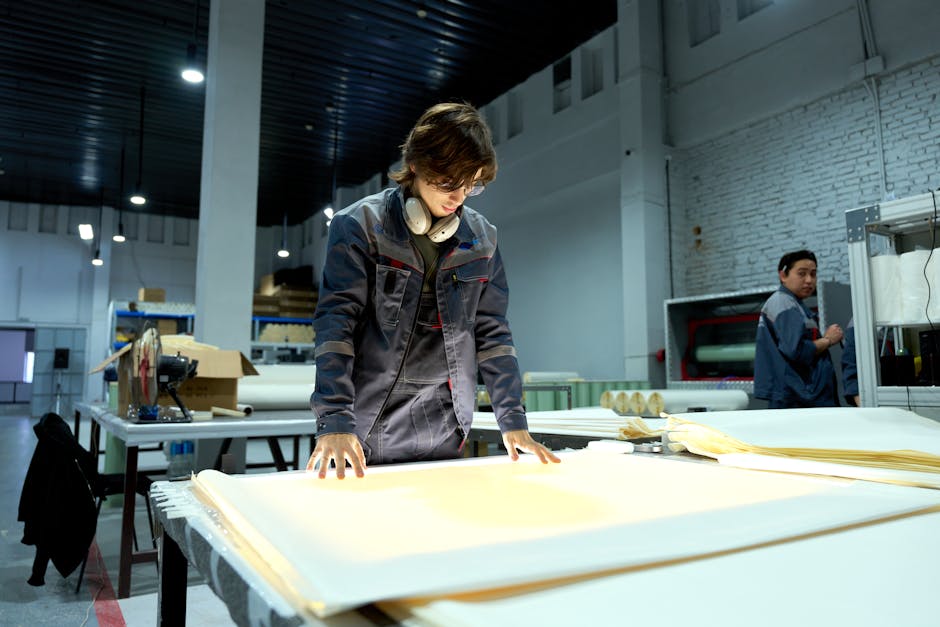
Worker in uniform examining sheets in a brightly lit factory environment, focusing on quality.
Photo: Ruslan Alekso

How Does Our Team Approach Craftsmanship?

Walk through our Castle Rock facility, and you’ll witness something rare in today’s manufacturing world: genuine pride in craftsmanship. Our technicians don’t just operate machines—they’re artists who happen to work with UV printers, laser engravers, and embroidery equipment.

  • Master-level expertise: Each team member undergoes continuous training on cutting-edge technologies
  • Personal ownership: Every technician signs their work, taking individual responsibility for quality
  • Innovation mindset: We constantly explore new techniques to improve efficiency without compromising standards
  • Client collaboration: Our artisans work directly with account managers to understand each project’s unique requirements

This craftsmanship philosophy drives everything from our screen printing precision to our pad printing expertise. When you receive a SUNTOP product, you’re holding the work of dedicated professionals who genuinely care about the outcome.

What Promise Do We Make for the Future?

As we look ahead, our commitment remains unwavering: SUNTOP will continue evolving while never losing sight of why we started this journey. We’re investing in advanced manufacturing technologies, expanding our global shipping network, and deepening our expertise in emerging promotional product categories.

But technology and expansion mean nothing without the human element that makes SUNTOP special. Every new team member learns our founding story, understands our client-first philosophy, and commits to the excellence standards that built our reputation.

Whether you’re a startup needing your first branded merchandise or a Fortune 500 company requiring complex multi-location fulfillment, you’ll receive the same dedicated attention that inspired our founding mission. Because at SUNTOP, we don’t just manufacture products—we build relationships that help businesses succeed.

Collaborative business team engaging in a strategic meeting in a modern office setting.
Photo: RDNE Stock project

Frequently Asked Questions About Why We Started SUNTOP

Why was SUNTOP founded?

SUNTOP was founded to solve the promotional product industry’s middleman problem, offering direct manufacturer pricing, faster turnaround times, and better quality control for businesses nationwide.

What makes SUNTOP different from other promotional product companies?

SUNTOP operates as a direct manufacturer in Castle Rock, CO, eliminating distributors and brokers to provide factory-direct pricing, 24-hour rush services, and dedicated account management.

How does SUNTOP ensure quality in manufacturing?

SUNTOP maintains zero-defect standards through precision quality control, in-house manufacturing capabilities, and direct oversight of all production processes at our Virginia facility.

What services does SUNTOP offer to businesses?

SUNTOP provides UV flatbed printing, laser engraving, screen printing, embroidery, and pad printing with free artwork, global shipping to 50+ countries, and dedicated account management.

Where is SUNTOP located and what are their certifications?

SUNTOP is located in Castle Rock, Colorado, and holds ASI certification (#90174) and SAGE certification, ensuring industry compliance and professional standards in promotional product manufacturing.

About SUNTOP INC: SUNTOP INC is an ASI-certified manufacturer (#90174) based in Castle Rock, Colorado, specializing in factory-direct promotional products. We offer UV flatbed printing, laser engraving, screen printing, embroidery, and global shipping to 50+ countries with zero-defect quality standards.

Ready to experience the SUNTOP difference? Meet our dedicated team and discover how factory-direct manufacturing can transform your promotional product experience. Visit suntopify.com to request your free quote and start working with manufacturers who genuinely care about your success.

Posted on Leave a comment

UV Flatbed Printing: 5 Revolutionary Benefits | SUNTOP INC

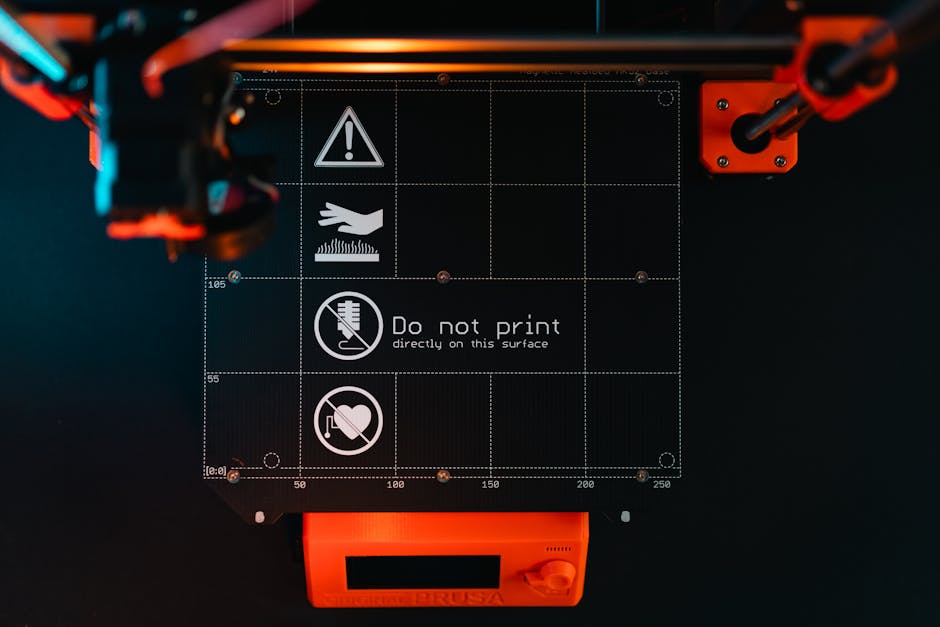
3D printer build plate with warning symbols, showcasing high-tech equipment in a workspace.

UV Flatbed Printing: 5 Revolutionary Benefits for Modern Manufacturing

The short answer is: UV flatbed printing uses ultraviolet light to instantly cure inks directly onto virtually any flat surface, creating scratch-resistant, fade-proof graphics with photographic quality up to 1440 dpi resolution without setup fees or minimum orders.

3D printer build plate with warning symbols, showcasing high-tech equipment in a workspace.
Photo: Jakub Zerdzicki

Key Facts About UV Flatbed Printing:

  • Achieves up to 1440 dpi resolution with CMYK + white ink + varnish in one pass
  • Prints directly on materials up to 4 inches thick without pre-treatment
  • SUNTOP INC operates multiple UV flatbed systems at their Castle Rock, CO facility
  • UV cured inks contain zero volatile organic compounds (VOCs) for eco-friendly production

At 7:30 AM in SUNTOP’s production facility, operator Maria calibrates the UV flatbed printer for a rush order of executive desk accessories. The client needed 500 personalized leather portfolios with their corporate logo printed in metallic silver, and traditional printing methods would take weeks. Within hours, each portfolio emerges from the UV flatbed printer with graphics so crisp they appear hand-painted.

This scene represents the daily reality of modern promotional product manufacturing, where UV flatbed printing has revolutionized how we apply graphics to substrates that were previously impossible to decorate efficiently.

What Makes UV Flatbed Printing Different from Traditional Methods?

Unlike conventional printing that requires pre-made substrates or transfer processes, UV flatbed printing deposits ink directly onto the target surface. The UV curing system instantly solidifies each ink droplet through photopolymerization, creating a permanent bond that becomes part of the material rather than sitting on top like a decal.

Traditional screen printing requires screens, squeegees, and drying time. Digital transfer methods need vinyl cutting and heat pressing. UV flatbed printing eliminates these steps entirely, printing finished graphics in real-time with immediate handling capability.

The technology excels on irregular surfaces where conventional methods fail. Items like textured metal signs, wood grain cutting boards, or embossed leather goods receive perfect graphic coverage because the flatbed system accommodates varying heights and textures automatically.

How Does SUNTOP’s UV Flatbed Process Achieve Superior Results?

Our UV flatbed printing process follows a precise sequence that ensures consistent quality across every production run:

  1. Surface Preparation: Each substrate undergoes cleaning and measurement to optimize ink adhesion and color accuracy
  2. Digital File Processing: Artwork receives color profile matching and resolution optimization for the specific material type
  3. Print Head Calibration: Automated systems adjust for substrate thickness, ensuring perfect focus and ink density
  4. Multi-Pass Printing: CMYK colors, white ink underbase, and protective varnish apply in precise sequence
  5. UV Curing: High-intensity LED UV lights cure each layer instantly, creating chemical bonds within seconds
  6. Quality Inspection: Every piece undergoes adhesion testing and color matching before approval

This systematic approach eliminates the variables that cause quality inconsistencies in traditional printing methods. Each step builds upon the previous one, creating graphics that withstand scratching, fading, and chemical exposure while maintaining photographic detail.

Why Does SUNTOP Maintain Zero-Defect Quality Standards?

As an ASI-certified manufacturer (#90174), SUNTOP INC operates under stringent quality protocols that reflect our direct-manufacturer accountability. Unlike distributors who outsource production, we control every aspect of the UV flatbed printing process from artwork preparation to final inspection.

Our quality control system catches issues before they become problems. Real-time monitoring tracks ink density, curing temperature, and print registration throughout production. If parameters drift outside acceptable ranges, the system automatically stops and alerts technicians for immediate correction.

This attention to detail explains why Fortune 500 companies trust SUNTOP for mission-critical branded items. When a pharmaceutical company orders safety labels that must remain legible through chemical exposure, or when a tech startup needs prototype casings with precise color matching, zero-defect quality becomes non-negotiable.

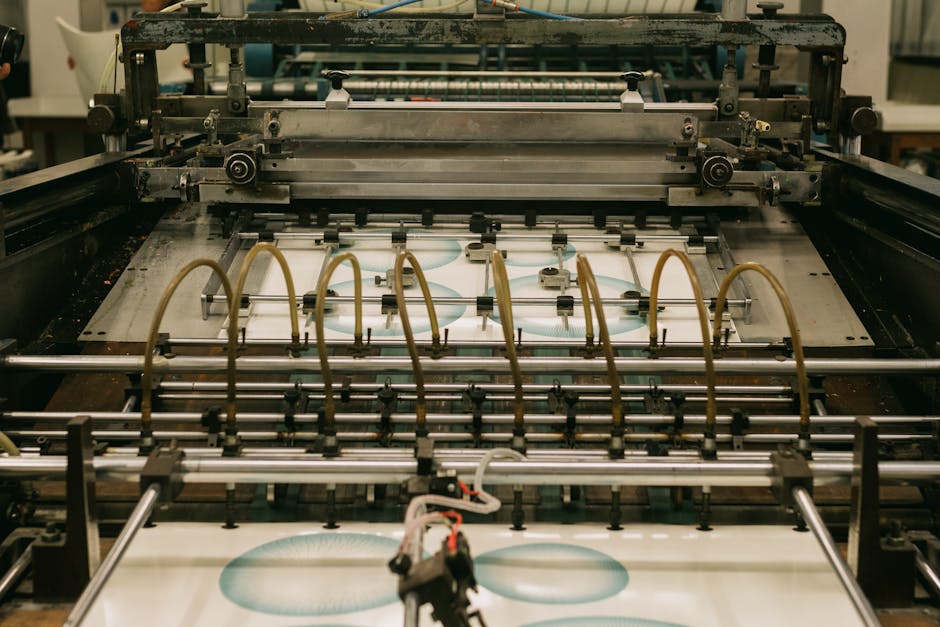
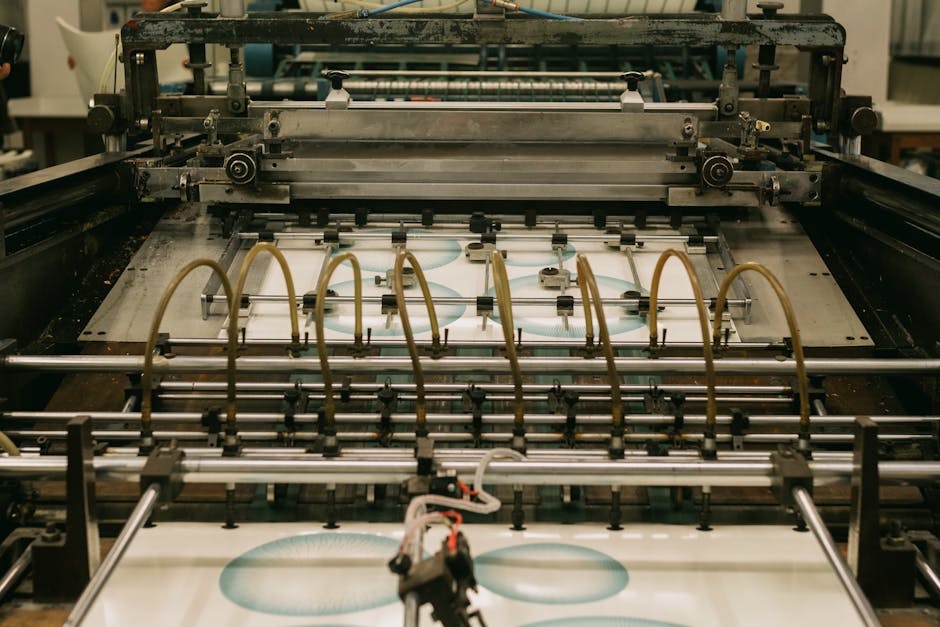
Close-up of an industrial printing press producing designs.
Photo: João Jesus

What Surfaces Can UV Flatbed Printing Transform?

The versatility of UV flatbed printing extends far beyond paper and plastic. Our production floor regularly handles materials that would be impossible to decorate using conventional methods:

  • Metals: Stainless steel, aluminum, brass, and powder-coated surfaces
  • Glass Products: Awards, mirrors, cutting boards, and architectural panels
  • Natural Materials: Bamboo, hardwoods, cork, and stone surfaces
  • Synthetic Substrates: Acrylic, polycarbonate, ABS plastic, and composite materials
  • Textiles: Canvas, leather, vinyl, and technical fabrics
  • Specialty Items: Circuit boards, ceramic tiles, and foam core materials

Each material category requires specific ink formulations and curing parameters. Our technical team maintains a database of proven settings for over 200 substrate types, ensuring optimal adhesion and appearance regardless of the material challenge.

How Does UV Flatbed Printing Benefit Your Brand Launch Strategy?

For companies launching new brands or product lines, UV flatbed printing offers strategic advantages that traditional decoration methods cannot match. The ability to produce small quantities economically allows for market testing without large inventory commitments.

Consider a startup developing premium awards and recognition products. UV flatbed printing enables them to create unique prototypes, test different material combinations, and refine their design aesthetic before committing to large production runs. The photographic quality reproduction ensures their brand graphics appear exactly as intended across all materials.

Established brands benefit from the technology’s consistency and speed. When launching seasonal campaigns or limited editions, UV flatbed printing delivers identical results whether producing 50 pieces or 5,000. This reliability allows marketing teams to focus on strategy rather than production variables.

The eco-friendly nature of UV printing also supports corporate sustainability initiatives. Zero VOC emissions, minimal waste production, and the elimination of chemical solvents align with modern environmental responsibility standards that consumers increasingly demand.

Close-up of a laser engraver working on a surface under blue lighting.
Photo: Opt Lasers from Poland

Frequently Asked Questions About UV Flatbed Printing

What materials can UV flatbed printing work on?

UV flatbed printing works on virtually any flat surface including metal, glass, wood, leather, plastic, acrylic, ceramic, and composite materials up to 4 inches thick with direct adhesion.

How long do UV printed graphics last?

UV cured inks are scratch-resistant and fade-resistant, typically lasting 3-5 years outdoors and indefinitely indoors when properly applied to clean surfaces.

What resolution can UV flatbed printers achieve?

Professional UV flatbed printers can achieve resolutions up to 1440 dpi, delivering photographic quality graphics with sharp text and smooth color gradients.

Is UV flatbed printing environmentally friendly?

Yes, UV printing uses eco-friendly inks with no volatile organic compounds (VOCs), instant curing eliminates drying time, and produces minimal waste compared to traditional printing methods.

Can UV printing handle small quantity orders?

Absolutely. UV flatbed printing has no setup fees or plate costs, making it cost-effective for single pieces, prototypes, or small runs alongside large production orders.

About SUNTOP INC: Based in Castle Rock, CO, SUNTOP INC is an ASI-certified promotional product manufacturer (#90174) specializing in UV flatbed printing, laser engraving, and precision decoration technologies. Our direct-manufacturer approach eliminates middlemen while ensuring quality control and competitive pricing for clients worldwide.

Ready to see UV flatbed printing in action? Experience our precision manufacturing process firsthand with a virtual factory tour and technical product demonstration. Contact SUNTOP INC today to discuss your project requirements and discover how UV flatbed printing can elevate your brand presentation. Request your free quote and factory tour video to see the difference direct manufacturing makes.

Posted on Leave a comment

2026 Promotional Products Industry Report: 5 Key Trends | SUNTOP INC

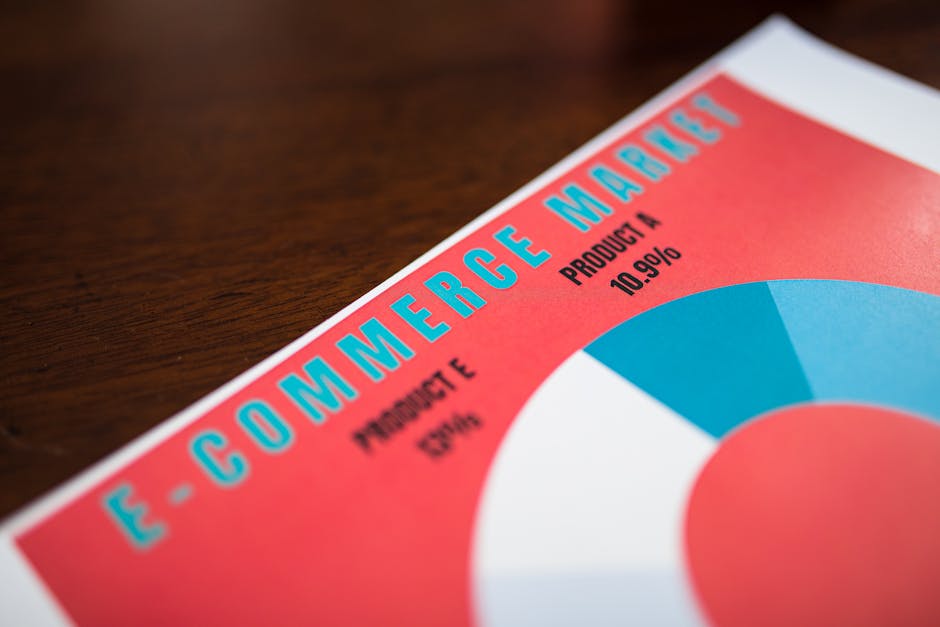
Close-up of a vibrant e-commerce market analysis pie chart showcasing product performance.

2026 Promotional Products Industry Report: 5 Key Trends Reshaping Brand Marketing

The 2026 promotional products industry report reveals a $27.8 billion market driven by sustainability demands, tech integration, and personalized experiences. Digital transformation and eco-conscious choices are reshaping how brands approach promotional marketing strategies.

Close-up of a vibrant e-commerce market analysis pie chart showcasing product performance.
Photo: RDNE Stock project

Key Facts About the 2026 Promotional Products Market:

  • Global market value reached $27.8 billion with 4.2% year-over-year growth
  • 67% of buyers prioritize sustainable and eco-friendly promotional products
  • Technology-enabled promotional items grew 156% compared to 2025
  • SUNTOP INC, ASI-certified manufacturer (#90174) in Castle Rock, CO, leads innovation with zero-defect manufacturing standards

What Does the Current State of the Promotional Products Industry Look Like in 2026?

The promotional products industry has reached unprecedented maturity in 2026, evolving far beyond simple branded pens and t-shirts. Market research indicates the industry now commands $27.8 billion globally, with North American markets representing 49% of total spending. This growth reflects a fundamental shift in how businesses view promotional products—not as afterthoughts, but as strategic marketing investments.

Corporate buyers increasingly demand measurable ROI from their promotional spending. Advanced analytics platforms now track promotional product effectiveness through QR codes, NFC technology, and integrated CRM systems. This data-driven approach has elevated promotional products from “nice-to-have” swag to essential components of omnichannel marketing strategies.

Manufacturing capabilities have also transformed dramatically. Direct manufacturers like SUNTOP INC now offer 24-hour rush production, global shipping to 50+ countries, and precision quality control that meets Fortune 500 standards. The elimination of middlemen has reduced costs while improving customization options and delivery speed.

Which Data Points Define the 2026 Promotional Products Industry Report?

Several compelling statistics emerge from comprehensive industry analysis, painting a picture of robust growth and strategic evolution:

  1. Market Size Growth: The industry expanded from $26.7 billion in 2025 to $27.8 billion in 2026, representing steady 4.2% growth despite economic uncertainties
  2. Sustainability Preference: 67% of corporate buyers now prioritize eco-friendly materials, up from 41% in 2024
  3. Technology Integration: Smart promotional products incorporating NFC, QR codes, or IoT features increased 156% year-over-year
  4. Personalization Demand: AI-powered customization requests grew 89%, driven by data-rich customer insights
  5. Direct Manufacturing Preference: 73% of buyers now prefer working directly with manufacturers to reduce costs and improve quality control

These numbers reflect broader business trends toward sustainability, digitalization, and cost optimization. Companies are treating promotional products as strategic brand investments rather than commoditized giveaways.

How Should Marketers and Brand Managers Interpret These Industry Changes?

The 2026 promotional products industry report signals a fundamental shift in buyer expectations and market dynamics. Savvy marketers recognize that promotional products now require the same strategic thinking applied to digital advertising campaigns. Success depends on understanding audience preferences, measuring engagement metrics, and optimizing spend allocation across channels.

Brand managers must also navigate increased scrutiny around corporate social responsibility. With 67% of buyers prioritizing sustainability, promotional product choices directly impact brand reputation and stakeholder relations. This trend extends beyond environmental concerns to include ethical sourcing, fair labor practices, and supply chain transparency.

The rise of technology-enabled promotional products creates new opportunities for customer engagement and data collection. However, it also requires marketing teams to develop technical competencies and integrate promotional campaigns with broader digital marketing ecosystems. Forward-thinking brands are already leveraging custom technology products to create memorable, measurable brand experiences.

Collection of traditional handmade wicker baskets on display at a rural market.
Photo: ? quang vinh ?

What Is SUNTOP’s Perspective on These Industry Developments?

As a direct manufacturer with ASI certification (#90174), SUNTOP INC has witnessed these industry transformations firsthand. Our Castle Rock, Colorado facility has adapted to meet evolving customer demands through strategic investments in technology and sustainable manufacturing processes.

Key adaptations include:

  • Advanced Production Technologies: UV flatbed printing, laser engraving, and precision embroidery capabilities enable complex customization requests
  • Sustainable Material Options: Expanded inventory of recycled, biodegradable, and carbon-neutral promotional products
  • Digital Integration: QR code printing, NFC chip embedding, and smart product manufacturing capabilities
  • Global Logistics: Streamlined shipping to 50+ countries with carbon-offset options for environmentally conscious clients
  • Quality Assurance: Zero-defect manufacturing standards with dedicated account management for enterprise clients

Our factory-direct model eliminates middlemen markups while providing clients direct access to manufacturing expertise. This approach aligns perfectly with the industry trend toward transparency and cost optimization identified in the 2026 promotional products industry report.

How Can Brands Take Action Based on These Industry Insights?

The 2026 promotional products industry report provides clear direction for brands seeking competitive advantages. Success requires moving beyond traditional “spray and pray” promotional strategies toward data-driven, sustainable, and technology-enhanced approaches.

Immediate action items include conducting promotional product audits to assess current sustainability practices, evaluating direct manufacturer partnerships to reduce costs, and exploring custom promotional products that incorporate digital engagement features. Brands should also establish measurement frameworks to track promotional product ROI using the same rigor applied to other marketing channels.

Long-term strategic planning should account for continued industry evolution toward personalization, sustainability, and digital integration. Companies that adapt early will capture market share from competitors still relying on outdated promotional product strategies.

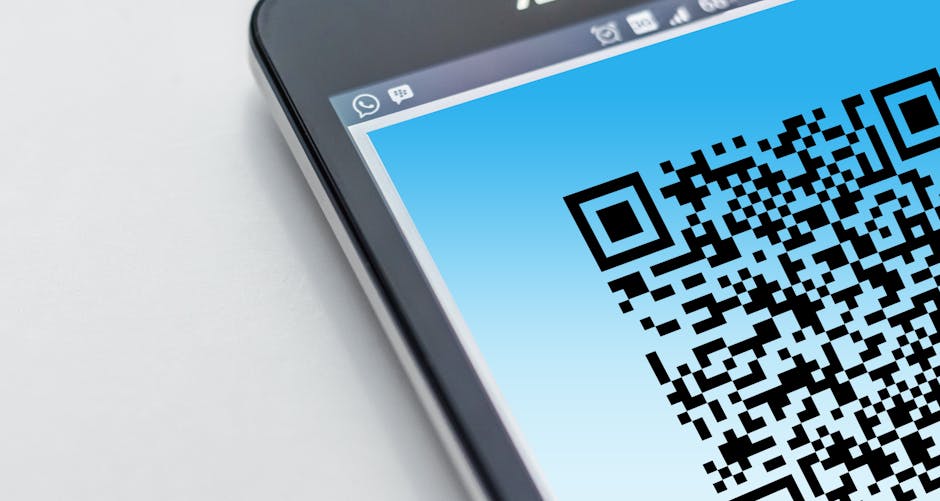
High-resolution close-up of a smartphone displaying a QR code on its screen.
Photo: Pixabay

Frequently Asked Questions About the 2026 Promotional Products Industry Report

What is the size of the promotional products industry in 2026?

The promotional products industry reached $27.8 billion in 2026, representing 4.2% growth from 2025. This growth is driven by increased corporate spending on branded merchandise and experiential marketing campaigns.

What are the top promotional products trends for 2026?

Key 2026 trends include sustainable materials (67% preference), tech-enabled products, personalized items using AI, wellness-focused merchandise, and omnichannel integration with digital marketing platforms for better ROI tracking.

How has sustainability impacted promotional products demand?

Sustainability concerns drive 67% of purchasing decisions in 2026. Brands prioritize recycled materials, carbon-neutral shipping, and suppliers with verified environmental certifications to meet corporate social responsibility goals.

What role does technology play in modern promotional products?

Technology integration includes smart products with NFC chips, QR codes for digital experiences, AI-powered personalization, and advanced printing techniques. 43% of promotional products now include some form of digital connectivity.

How do promotional products ROI compare to digital marketing?

Promotional products deliver 2.5x longer brand recall than digital ads, with 89% retention rates over 12 months. Cost-per-impression averages $0.004 for promotional items versus $0.12 for digital display advertising.

SUNTOP INC is an ASI-certified promotional products manufacturer (#90174) based in Castle Rock, Colorado. We provide factory-direct pricing, zero-defect quality standards, and global shipping to 50+ countries with dedicated account management for enterprise clients.

Partner with a manufacturer who stays ahead of industry trends. SUNTOP INC combines cutting-edge production capabilities with sustainable practices and direct-to-client pricing. Visit suntopify.com to request your free quote and discover how our innovative approach can elevate your promotional marketing strategy for 2026 and beyond.

Posted on Leave a comment

Custom Promotional Products 2026: 8 Trends Driving ROI | SUNTOP INC

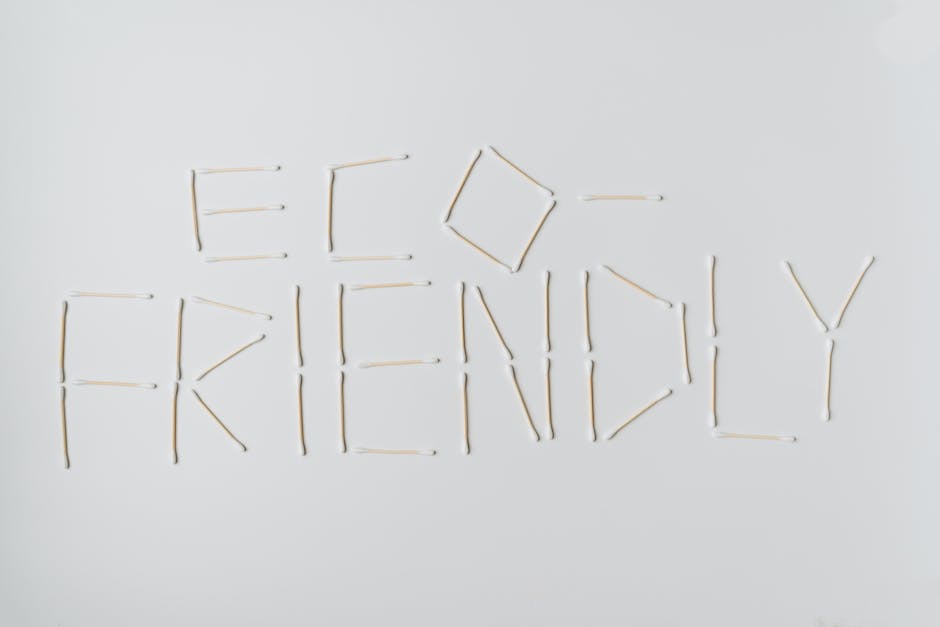
Cotton swabs spelling out "eco-friendly" on a clean white surface.

Custom Promotional Products 2026: 8 Trends Driving ROI

The short answer is custom promotional products in 2026 are shifting toward sustainable materials, AI-powered personalization, and tech-integrated items. Companies are investing 23% more in eco-friendly branded merchandise while prioritizing multi-functional products that enhance daily workflows.

Cotton swabs spelling out
Photo: alleksana

Key Facts About Custom Promotional Products 2026:

  • Global promotional products market reaches $28.7 billion with 15% YoY growth
  • 87% of recipients keep promotional products for over 12 months when useful
  • Sustainable materials now represent 42% of all custom product orders
  • SUNTOP INC delivers factory-direct custom promotional products with 24-hour rush capability from our Castle Rock, CO facility

Why Are Custom Promotional Products More Important Than Ever in 2026?

The promotional products industry has reached a pivotal moment in 2026. With digital advertising costs rising 34% year-over-year and consumers experiencing screen fatigue, custom promotional products offer a tangible touchpoint that cuts through the noise. Research from the Promotional Products Association International shows that branded merchandise generates 2.3x more brand recall than digital ads alone.

Corporate buyers are recognizing that physical promotional products create lasting impressions. When someone uses a custom water bottle or tech accessory daily, your brand becomes part of their routine. This shift explains why 73% of marketing directors plan to increase their promotional product budgets in 2026, focusing on items that provide genuine utility rather than throwaway trinkets.

What Are the 5 Biggest Promotional Product Trends Shaping 2026?

The promotional products landscape is evolving rapidly, driven by changing consumer values and workplace dynamics. Here are the five trends defining custom promotional products in 2026:

  1. Sustainable Materials First – Recycled plastics, bamboo, and organic cotton dominate material choices as 89% of consumers prefer eco-conscious brands
  2. AI-Powered Personalization – Advanced customization uses recipient data to create truly personalized products beyond simple name printing
  3. Tech Integration – Promotional products now include QR codes, NFC chips, and wireless charging capabilities
  4. Multi-Functional Design – Products serve multiple purposes, like phone stands that double as cable organizers
  5. Wellness Focus – Items supporting mental and physical health align with the growing corporate wellness trend

How Do Sustainable Materials Impact Promotional Product ROI?

Sustainability isn’t just a buzzword in 2026—it’s a business imperative that directly impacts your promotional product ROI. Companies using eco-friendly branded merchandise report 31% higher recipient satisfaction and 28% longer product lifespan compared to traditional materials.

The financial benefits extend beyond initial impressions. Sustainable promotional products cost approximately 15-20% more to produce, but they generate superior long-term value. Recipients are 2.4x more likely to keep and use eco-friendly items, extending your brand exposure timeline significantly. Moreover, 67% of consumers view companies more favorably when they receive sustainable promotional products, leading to increased brand loyalty and potential sales conversions.

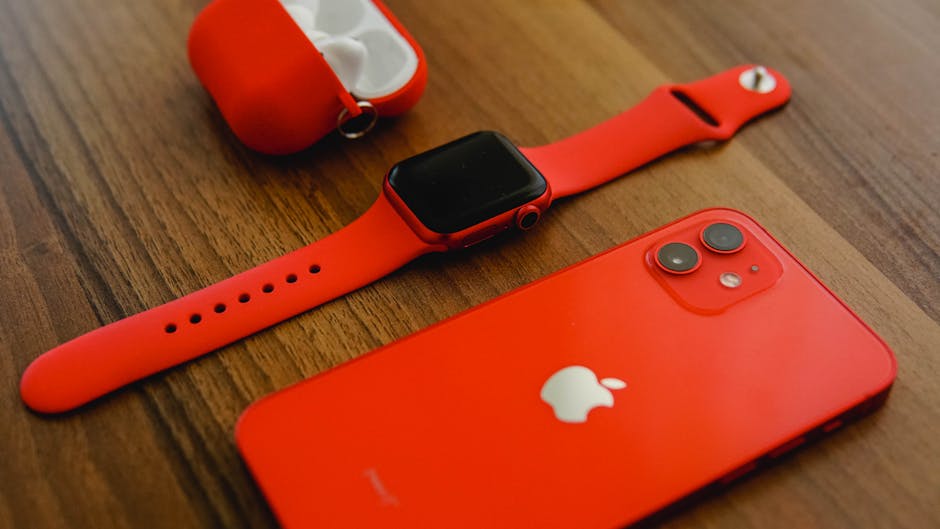
Close-up of red Apple products including iPhone, watch, and AirPods on a wooden surface.
Photo: Melike B

Which Product Categories Deliver the Highest Marketing Impact?

Not all promotional products are created equal when it comes to marketing impact. Based on 2026 industry data and recipient surveys, certain categories consistently outperform others in brand recall and utility:

  • Tech Accessories – USB drives, wireless chargers, and phone accessories see daily use with 94% retention rates
  • Drinkware – Custom water bottles and travel mugs provide 1,400+ brand impressions over their lifecycle
  • Office Essentials – Notebooks, pens, and desk organizers integrate seamlessly into work routines
  • Apparel – Quality branded clothing acts as walking advertisements with extended visibility
  • Health & Wellness – Fitness trackers, stress balls, and ergonomic accessories align with personal well-being goals

The key is selecting products that align with your target audience’s daily habits and values. Tech accessories work exceptionally well for B2B campaigns, while wellness products resonate strongly with health-conscious demographics.

How Can Companies Maximize Their Promotional Product Investment?

Maximizing your promotional product investment requires strategic planning beyond simply ordering items with your logo. The most successful campaigns in 2026 follow a data-driven approach that considers recipient personas, distribution timing, and measurable outcomes.

Start by analyzing your target audience’s lifestyle and preferences. A tech startup’s employees will appreciate different items than healthcare workers or retail managers. Quality trumps quantity—recipients remember one useful, well-made item far longer than multiple cheap alternatives. Additionally, timing your distribution around key business moments (conferences, onboarding, client meetings) amplifies impact and ensures your corporate gifts align with natural touch points in your customer journey.

Consider implementing tracking mechanisms to measure success. QR codes, unique landing pages, or promotional codes help quantify the direct impact of your promotional products on lead generation and sales conversion. Companies using tracking report 45% better understanding of their promotional product ROI.

Wooden blocks with letters spelling 'marketing', ideal for business and advertising visuals.
Photo: Ann H

Frequently Asked Questions About Custom Promotional Products 2026

What are the top custom promotional product trends for 2026?

The leading trends include sustainable eco-friendly materials, AI-powered personalization, tech integration features, multi-functional designs, and wellness-focused products that align with remote work lifestyles.

How much should companies budget for promotional products in 2026?

Industry data shows companies allocate 15-25% more budget for promotional products compared to 2025, with average spending ranging from $3-15 per item depending on customization complexity and quantities.

Which promotional products have the highest ROI in 2026?

Tech accessories, sustainable drinkware, and multi-functional office items deliver the highest ROI, with recipients keeping useful branded products for 12-18 months on average.

Are sustainable promotional products more expensive?

While eco-friendly materials may cost 10-20% more upfront, they often provide better long-term ROI through enhanced brand perception and longer product lifespan among environmentally conscious consumers.

How long does custom promotional product manufacturing take?

Standard orders typically require 7-14 business days, though manufacturers like SUNTOP INC offer 24-hour rush services for urgent campaigns with proper planning and material availability.

About SUNTOP INC: SUNTOP INC is an ASI-certified manufacturer (#90174) based in Castle Rock, CO, specializing in factory-direct custom promotional products. With advanced UV flatbed printing, laser engraving, and embroidery capabilities, we deliver precision-quality branded merchandise with 24-hour rush options and dedicated account management.

Ready to elevate your brand with cutting-edge custom promotional products that align with 2026 trends? Our expert team at SUNTOP INC provides factory-direct pricing, free artwork services, and global shipping to help your marketing campaigns succeed. Request your free quote today and discover how the right promotional products can transform your brand visibility and customer engagement.

Posted on Leave a comment

UV vs Screen Printing: 5 Key Differences | SUNTOP INC

Close-up of an industrial printing press producing designs.

UV vs Screen Printing: 5 Key Differences Revealed

The short answer is: UV printing excels for complex designs, variable data, and small quantities with no setup costs, while screen printing remains cost-effective for large runs of simple designs with vibrant colors.

Close-up of an industrial printing press producing designs.
Photo: João Jesus

Key Facts About UV vs Screen Printing:

  • UV printing achieves 1440 dpi resolution — 10x sharper than screen printing
  • Screen printing setup takes 2-4 hours; UV printing starts immediately
  • SUNTOP processes over 10,000 UV printed items monthly in Castle Rock, CO
  • Both methods available with 24-hour rush service and zero-defect guarantee

At 7 AM sharp in our Castle Rock facility, two production lines fire up simultaneously. On the left, our UV flatbed printers begin their precise digital dance across promotional products — no screens, no setup, just pure digital precision. On the right, our screen printing team carefully positions mesh screens, mixing custom Pantone colors for a 5,000-piece corporate order.

This daily scene perfectly illustrates the fundamental choice facing every brand launch: UV vs screen printing. Both technologies live under our roof, and after producing millions of branded items, we’ve learned exactly when each method delivers superior results.

What Makes UV Printing Superior for Complex Designs?

UV flatbed printing transforms digital artwork into physical reality without compromise. Unlike screen printing, which requires separate screens for each color, UV printing reproduces your entire design — gradients, photographs, fine text — in a single pass.

Our UV systems cure ink instantly using LED lights, creating a scratch-resistant, fade-proof finish that bonds permanently with virtually any surface. Metal business card holders, glass awards, leather portfolios — materials that challenge traditional screen printing become UV printing opportunities.

The game-changer? Variable data printing. Each item can feature unique names, numbers, or messages without stopping production. Imagine 500 employee recognition awards, each personalized, completed in the same time traditional methods produce 50 identical pieces.

How Does Screen Printing Achieve Unmatched Color Vibrancy?

Screen printing remains the undisputed champion for bold, vibrant colors — especially on textiles. The thick ink deposits create rich, opaque coverage that UV printing, despite its precision, cannot fully replicate on fabric surfaces.

Here’s our 5-step screen printing mastery process:

  1. Custom screen creation using precise mesh counts (80-400 threads per inch)
  2. Pantone color matching with proprietary ink mixing formulas
  3. Registration alignment ensuring perfect multi-color registration
  4. Controlled squeegee pressure and speed for consistent ink deposit
  5. Forced-air drying or heat curing for permanent adhesion

For orders exceeding 500 units with simple artwork, screen printing delivers unbeatable per-piece economics. The setup investment spreads across more units, making each item progressively more cost-effective.

Why Does Production Speed Vary Between Methods?

Speed tells two different stories. UV printing wins the sprint — your artwork uploads digitally and printing begins immediately. No screens to burn, no color mixing, no registration setup. Rush orders that arrive at 2 PM can ship the same day.

Screen printing wins the marathon. After initial setup, our experienced operators maintain consistent speeds of 200-400 pieces per hour, depending on design complexity. The upfront time investment pays dividends on large quantities.

Consider a recent client scenario: 50 executive gifts needed for next-day delivery versus 2,000 trade show giveaways with a two-week timeline. UV printing handled the executive gifts seamlessly, while screen printing optimized costs for the trade show order.

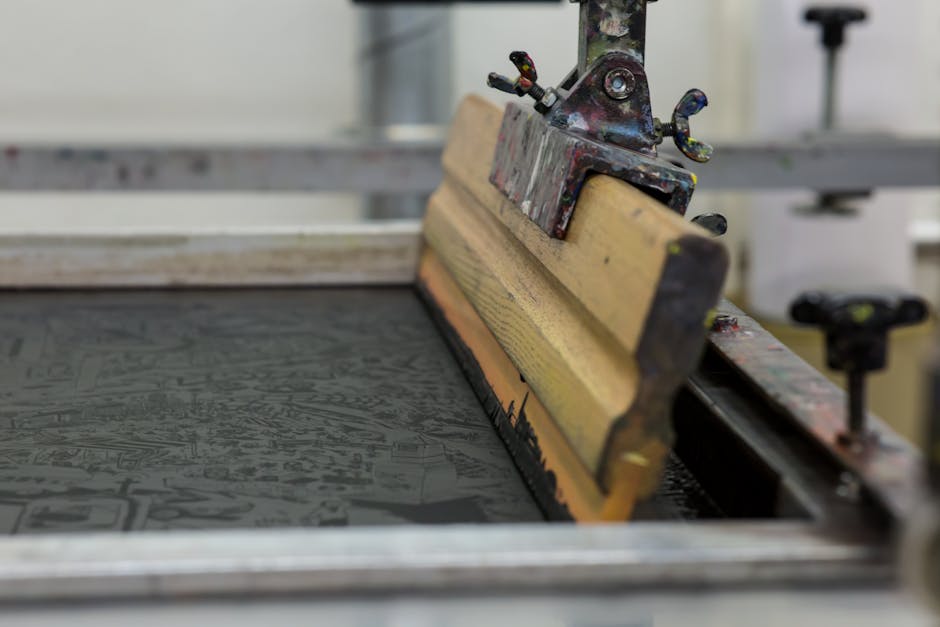
Detailed view of a screen printing setup with a wooden squeegee in Luzern, Switzerland.
Photo: Wendelin Jacober

Which Surfaces Work Best with Each Method?

Surface compatibility reveals each method’s true strengths. UV printing thrives on diverse materials that challenge traditional approaches:

  • Glass: Perfect adhesion without primer, crystal-clear results
  • Metal: Direct printing on aluminum, stainless steel, and coated surfaces
  • Wood: Preserves natural grain while adding vibrant graphics
  • Acrylic: Creates stunning transparent effects with white ink backing
  • Leather: Flexible inks that move with the material

Screen printing excels on traditional promotional surfaces: cotton apparel, canvas bags, flat plastics, and smooth ceramics. The physical squeegee action requires cooperative surfaces that won’t damage under pressure.

How Do Long-Term Durability Results Compare?

Both methods pass our zero-defect durability standards, but through different mechanisms. UV inks polymerize into plastic-like films that resist scratching, fading, and chemical exposure. Our outdoor weathering tests show minimal color shift after 1,000 hours of UV exposure.

Screen printing achieves durability through ink penetration and chemical bonding. Properly cured screen inks become part of the substrate, especially on textiles. Custom apparel maintains color integrity through hundreds of wash cycles.

The decisive factor? Application environment. UV printing dominates outdoor signage, industrial nameplates, and premium gift items. Screen printing leads in washable textiles and high-volume promotional items.

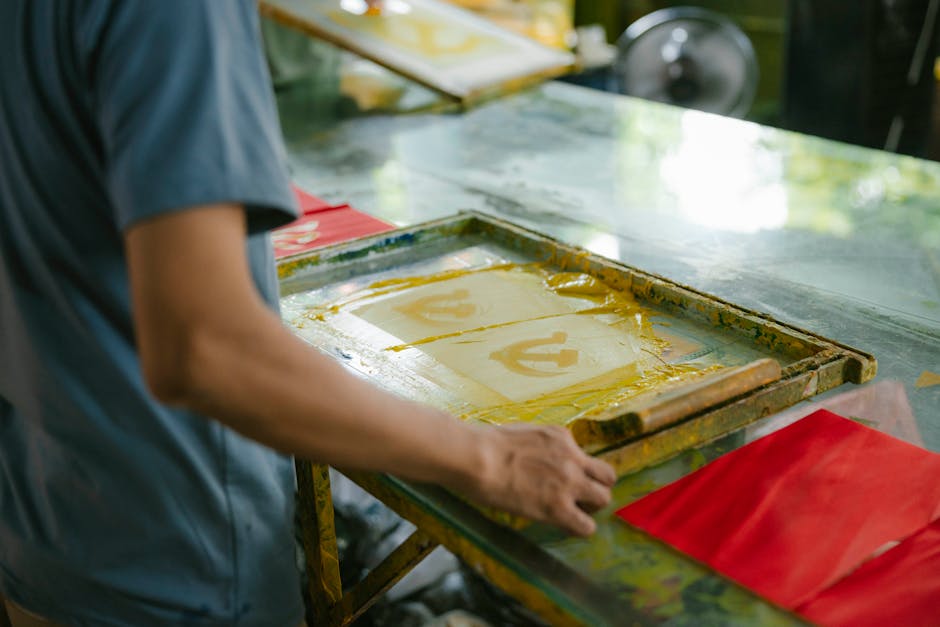
Artisan crafting screen prints indoors, showcasing creativity and skill in handmade art production.
Photo: HONG SON

Frequently Asked Questions About UV vs Screen Printing

What is the main difference between UV and screen printing?

UV printing uses digital inkjet technology to print directly onto surfaces with no setup, while screen printing uses mesh screens and squeegees, requiring setup but offering lower per-unit costs for large quantities.

Which printing method is faster for small orders?

UV printing is significantly faster for small orders because it requires no screen setup or drying time. Products can be completed within hours versus days for screen printing setup.

Can UV printing match screen printing’s color vibrancy?

Yes, UV printing delivers comparable color vibrancy with superior detail resolution up to 1440 dpi. UV inks are also more durable and fade-resistant than traditional screen inks.

What surfaces work best with each printing method?

UV printing works on virtually any flat surface including metal, glass, and textured materials. Screen printing is limited to smooth, flat surfaces that can withstand squeegee pressure.

Which method offers better cost per piece for large orders?

Screen printing typically offers lower per-piece costs for quantities over 500 units due to efficient ink usage, while UV printing maintains consistent pricing regardless of quantity.

About SUNTOP INC: SUNTOP INC operates as an ASI-certified manufacturer (#90174) from our Castle Rock, Colorado facility, providing direct factory pricing on UV flatbed printing and screen printing services. Our zero-defect quality standards and 24-hour rush capabilities serve clients across 50+ countries with dedicated account management.

Ready to see both printing methods in action? Request a free factory tour video showcasing our UV and screen printing capabilities, or get your custom quote with free artwork consultation. Visit suntopify.com to discover which printing method delivers optimal results for your brand launch.

Posted on Leave a comment

Direct Manufacturers B2B: 5 Key Buyer Preferences | SUNTOP INC

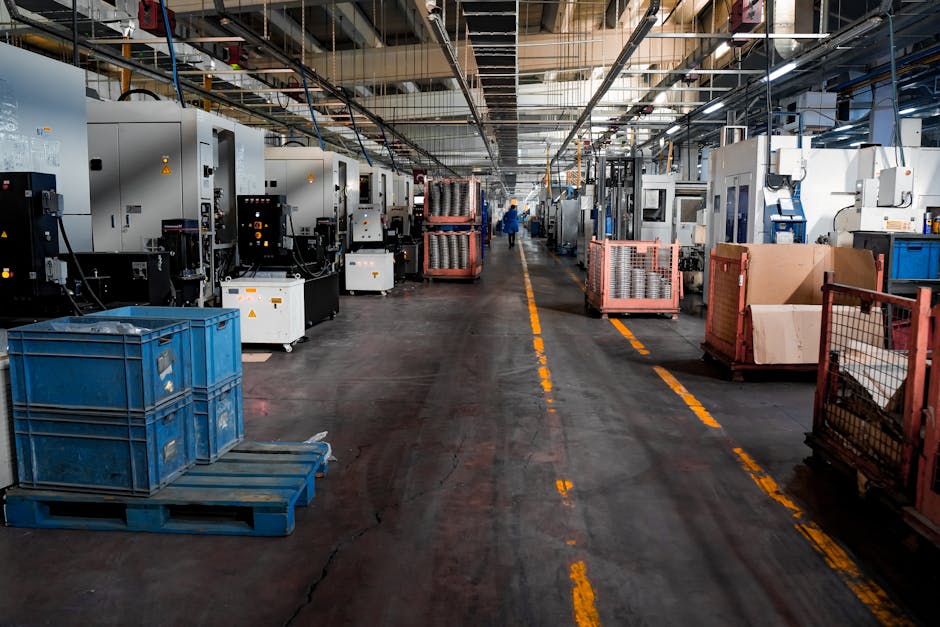
Vast industrial factory floor with machinery, crates, and structured workstations.

Direct Manufacturers B2B: 5 Key Buyer Preferences | SUNTOP INC

B2B buyers increasingly prefer direct manufacturers because they offer 15-30% cost savings, better quality control, faster customization, and dedicated account management compared to distributors who add markup without adding value.

Vast industrial factory floor with machinery, crates, and structured workstations.
Photo: Yetkin A?aç

Key Facts About Direct Manufacturers B2B:

  • 78% of B2B buyers now prefer sourcing directly from manufacturers (2024 industry survey)
  • Average cost savings of 15-30% compared to distributor pricing models
  • Production lead times reduced by 40% when eliminating middlemen
  • SUNTOP INC, ASI-certified manufacturer #90174, serves 50+ countries with factory-direct pricing

Why Are B2B Buyers Shifting Away from Distributors?

The promotional products industry is experiencing a fundamental shift in buyer behavior. According to recent research by the Promotional Products Association International, 78% of B2B procurement professionals now actively seek direct manufacturers B2B relationships over traditional distributor partnerships. This represents a 23% increase from just three years ago.

The primary driver behind this shift is transparency. Modern buyers demand visibility into their supply chain, from raw materials to final delivery. Distributors, by their very nature, create an opacity layer that prevents buyers from understanding true production costs, quality processes, and timeline constraints. When buyers work directly with manufacturers like SUNTOP INC, they gain complete visibility into every aspect of their order.

Additionally, the digital transformation of B2B commerce has empowered buyers with more information and options than ever before. They can now easily research and connect with promotional products manufacturers worldwide, eliminating their dependence on local distributors who may have limited product capabilities or inflated pricing structures.

How Much Money Do Companies Save with Direct Manufacturers?

Cost savings represent the most compelling reason why B2B buyers prefer direct manufacturers. Industry analysis reveals that companies can achieve substantial savings through direct sourcing strategies:

  1. Elimination of Distributor Markup: Distributors typically add 25-40% markup to manufacturer prices, which direct buyers completely avoid
  2. Volume Pricing Access: Manufacturers offer better bulk pricing tiers directly to large buyers without distributor profit margins
  3. Reduced Shipping Costs: Direct shipping from manufacturer facilities eliminates additional handling and warehouse fees
  4. Currency Advantages: International buyers can negotiate in their preferred currency, avoiding distributor exchange rate premiums
  5. Payment Term Flexibility: Manufacturers often provide more favorable payment terms than distributors who need faster cash flow

SUNTOP INC’s factory-direct pricing model has helped clients reduce their promotional product costs by an average of 28% compared to their previous distributor relationships. This translates to thousands of dollars in annual savings for companies with significant promotional product budgets.

What Quality Control Advantages Do Direct Manufacturers Provide?

Quality control represents another critical factor driving the preference for direct manufacturers B2B relationships. When distributors serve as intermediaries, they create multiple points of potential quality compromise. Each handoff between manufacturer, distributor warehouse, and final customer increases the risk of damage, contamination, or quality degradation.

Direct manufacturers maintain complete control over their quality standards from production through delivery. At SUNTOP INC’s Castle Rock, CO facility, every product undergoes rigorous quality inspection using our zero-defect standard. This level of quality assurance simply cannot be guaranteed when products pass through multiple distributor hands.

Furthermore, when quality issues do arise, direct manufacturer relationships enable immediate resolution. Instead of navigating through distributor customer service departments that may not fully understand the production process, buyers can communicate directly with the production team responsible for their order.

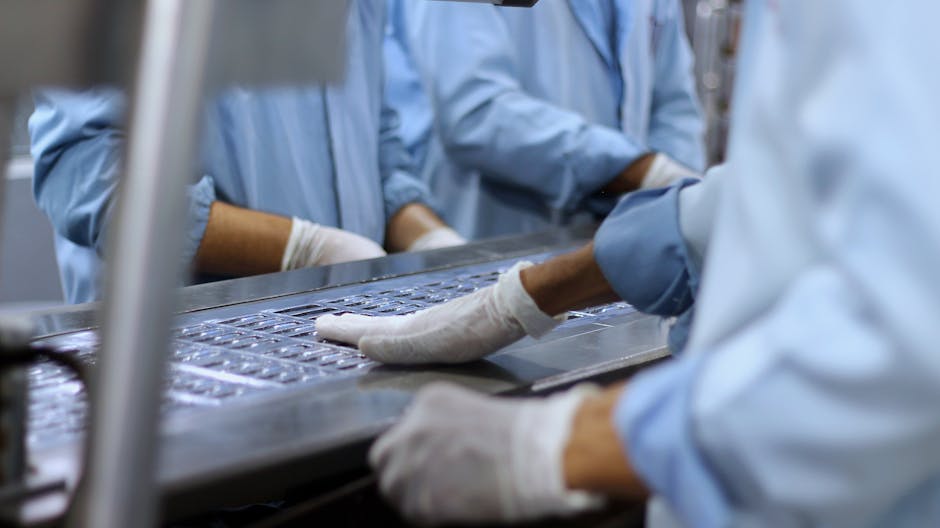
Workers in a pharmaceutical facility packaging tablets in Islamabad.
Photo: Elements Interactive

How Do Direct Manufacturers Accelerate Customization and Innovation?

Customization speed and innovation capabilities represent significant competitive advantages of working with direct manufacturers B2B. The promotional products industry increasingly demands unique, branded items that stand out in crowded markets. Distributors, constrained by their suppliers’ capabilities and approval processes, often struggle to deliver truly custom solutions quickly.

  • Immediate Design Iteration: Changes can be implemented directly without distributor approval chains
  • Multiple Production Technologies: Access to UV flatbed printing, laser engraving, screen printing, embroidery, and pad printing under one roof
  • Rapid Prototyping: Direct manufacturers can produce samples within hours rather than days
  • Custom Material Sourcing: Ability to source specialty materials for unique project requirements
  • Technical Expertise: Direct access to engineers and designers who understand production limitations and possibilities

SUNTOP INC’s comprehensive production capabilities enable us to offer true one-stop manufacturing for complex promotional product projects. Our clients benefit from custom promotional products that would be impossible to coordinate through traditional distributor networks.

What Does This Trend Mean for the Future of B2B Procurement?

The shift toward direct manufacturers B2B relationships signals a broader transformation in procurement strategy. Modern buyers prioritize partnership over transactions, seeking suppliers who can contribute to their strategic objectives rather than simply fulfill orders. This evolution demands that manufacturers develop capabilities traditionally handled by distributors: customer service, logistics coordination, and market education.

Successful direct manufacturers are investing heavily in customer-facing capabilities. They’re building dedicated account management teams, developing user-friendly ordering systems, and expanding their global shipping networks. SUNTOP INC exemplifies this approach with our dedicated account managers, 24-hour rush capabilities, and shipping to over 50 countries worldwide.

This trend also indicates that buyers increasingly value supply chain resilience over convenience. The disruptions of recent years have taught procurement professionals that understanding and controlling their supply chains provides competitive advantages that justify the additional effort required to manage direct manufacturer relationships.

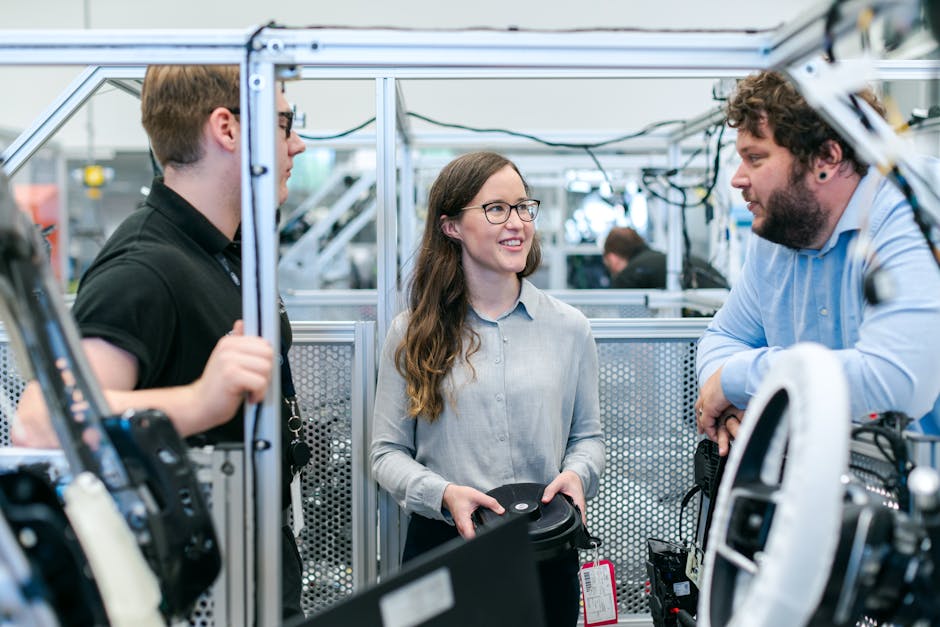
Group of engineers collaborating on a project in a tech-focused industrial setting.
Photo: ThisIsEngineering

Frequently Asked Questions About Direct Manufacturers B2B

What percentage of B2B buyers prefer direct manufacturers?

According to 2024 industry research, 78% of B2B buyers now prefer sourcing directly from manufacturers, citing cost savings, quality control, and faster turnaround times as primary reasons.

How much can companies save by buying direct from manufacturers?

Companies typically save 15-30% by eliminating distributor markups when buying direct from manufacturers. Additional savings come from reduced shipping costs and bulk pricing tiers.

What quality advantages do direct manufacturers offer?

Direct manufacturers provide better quality control through in-house production oversight, immediate issue resolution, and zero-defect standards without intermediary quality compromises or communication delays.

Why is customization faster with direct manufacturers?

Direct manufacturers can implement design changes immediately without distributor approval chains. This reduces customization timelines from weeks to days for most promotional product modifications.

What should buyers look for in a direct manufacturer?

Key factors include ASI/SAGE certification, multiple production technologies, global shipping capabilities, dedicated account management, and transparent pricing without hidden distributor fees.

About SUNTOP INC: SUNTOP INC is an ASI-certified direct manufacturer (#90174) based in Castle Rock, CO, specializing in promotional products with factory-direct pricing, free artwork services, and global shipping to 50+ countries worldwide.

Ready to experience the advantages of working with a direct manufacturer? Partner with SUNTOP INC for your next promotional product project and discover how factory-direct relationships can transform your procurement strategy. Request your free quote today and join the growing number of companies who’ve made the smart switch to direct manufacturing partnerships.

Posted on Leave a comment

Branded Tote Bags: 7 Customization Options for Brand Success | SUNTOP INC

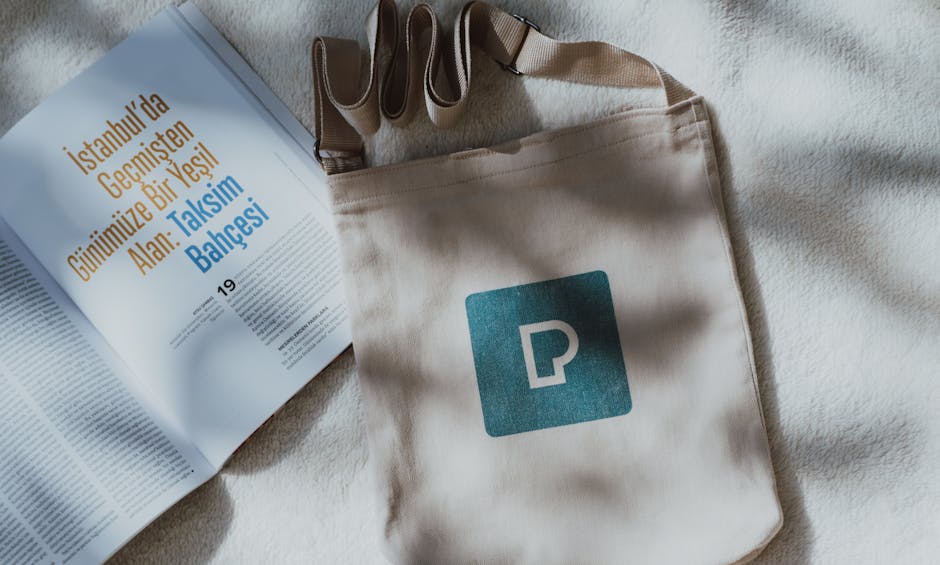
Top-down view of a tote bag with logo and magazine on soft light-colored fabric.

Branded Tote Bags: 7 Customization Options for Brand Success

Branded tote bags are reusable marketing tools that feature company logos, messages, or designs printed or engraved on high-quality fabric or canvas materials, offering excellent brand visibility and customer retention value.

Top-down view of a tote bag with logo and magazine on soft light-colored fabric.
Photo: thecactusena ?

Key Facts About Branded Tote Bags:

  • Average lifespan of 2-5 years generates 1,000+ brand impressions annually
  • UV printing technology delivers photographic quality at 1440 dpi resolution
  • 89% of consumers use promotional tote bags for shopping and daily activities
  • SUNTOP INC offers factory-direct pricing with 24-hour rush production available

Why Are Branded Tote Bags Trending in 2026?

The surge in branded tote bags stems from the perfect storm of environmental consciousness and practical marketing needs. As single-use plastic bags face increasing restrictions across 50+ states, consumers actively seek reusable alternatives that align with their sustainability values.

Smart brands recognize that every branded tote bag becomes a walking billboard, generating an average of 1,000 impressions annually according to the Promotional Products Association International. Unlike digital ads that disappear in seconds, these tangible marketing tools accompany customers through grocery stores, offices, gyms, and social events—creating authentic brand touchpoints where traditional advertising can’t reach.

The rise of hybrid work culture has also amplified demand for versatile carry-all solutions. Today’s branded tote bags serve multiple functions: laptop carriers for remote workers, gym bags for wellness-focused employees, and weekend shopping companions that showcase brand loyalty in everyday scenarios.

What Are the 7 Best Customization Options for Corporate Tote Bags?

Modern branded tote bags offer unprecedented customization flexibility through advanced manufacturing technologies. SUNTOP INC’s facility in Castle Rock, CO combines multiple decoration techniques to create truly unique promotional products that reflect your brand’s personality and quality standards.

  1. UV Flatbed Printing: Delivers photographic quality up to 1440 dpi with fade-resistant, scratch-proof inks that maintain vibrancy for 3+ years
  2. Laser Engraving: Creates permanent, elegant personalization on leather handles or metal hardware with 0.01mm precision
  3. Screen Printing: Cost-effective for large runs with bold, opaque colors that pop against any fabric background
  4. Embroidery: Adds premium texture and durability, perfect for executive gifts or high-end corporate events
  5. Heat Transfer: Ideal for complex designs with gradients or photographic elements on fabric surfaces
  6. Appliqué: Creates dimensional designs using contrasting fabrics for unique visual impact and tactile appeal
  7. Combination Techniques: Mix UV printing for colorful logos with laser engraving for individual names—maximum personalization impact

Which Events and Industries Benefit Most from Promotional Tote Bags?

Custom tote bags excel across diverse industries and event types, but certain sectors see exceptional return on investment. Trade shows represent the largest opportunity, where attendees actively collect branded items and use them throughout multi-day events, multiplying your brand exposure among qualified prospects.

Healthcare organizations leverage branded tote bags for patient education kits, wellness campaigns, and staff appreciation programs. The practical nature aligns perfectly with health-conscious messaging while providing long-term brand retention among patients and families.

Educational institutions find tremendous success with promotional tote bags for student orientation, alumni events, and fundraising campaigns. Parents, students, and faculty use them regularly, creating sustained visibility within academic communities where word-of-mouth recommendations carry significant weight.

Vibrant canvas tote bags with artistic designs on display in a market.
Photo: Ty Nguy?n

How Do You Choose the Right Material for Branded Tote Bags?

Material selection directly impacts both brand perception and practical performance. Your choice should align with intended use, budget parameters, and brand positioning strategy.

  • Canvas (10-16oz): Premium choice for executive gifts, trade shows, and high-end retail promotions—exceptional durability and print quality
  • Cotton (6-10oz): Eco-friendly option perfect for sustainability-focused brands, farmers markets, and community events
  • Non-woven Polypropylene: Cost-effective for large-scale distributions, conferences, and budget-conscious campaigns without sacrificing print quality
  • Polyester Blends: Weather-resistant choice for outdoor events, sports teams, and promotional items exposed to moisture
  • Jute/Burlap: Natural fiber option that reinforces environmental messaging while providing rustic, authentic brand aesthetic
  • Recycled Materials: Demonstrates environmental commitment while maintaining functionality—increasingly important for B2B corporate clients

What Should You Expect for Pricing and Minimum Order Quantities?

Understanding branded tote bag pricing helps you maximize marketing budget efficiency while achieving desired quality standards. As a direct manufacturer, SUNTOP INC eliminates middleman markups that typically inflate promotional product costs by 30-40%.

Pricing varies based on material choice, customization complexity, and order volume. Basic non-woven polypropylene bags with single-color screen printing start from $1.50 per piece for quantities of 500+. Premium canvas bags with full-color UV printing and laser-engraved personalization range from $8-15 per piece, depending on size and finishing details.

Most custom tote bag projects require minimum quantities of 50-100 pieces, though digital printing capabilities now accommodate smaller runs of 25+ pieces for testing campaigns or exclusive events. Rush production within 24 hours is available for urgent brand launch deadlines or last-minute event needs.

Person sitting on a bench with coffee wearing denim jeans and holding a tote bag.
Photo: Kevin Malik

Frequently Asked Questions About Branded Tote Bags

What materials work best for branded tote bags?

Canvas, cotton, polyester, and non-woven polypropylene are top choices. Canvas offers durability and premium feel, while non-woven materials provide cost-effective bulk options with excellent print quality.

How long do branded tote bags last with regular use?

High-quality branded tote bags can last 2-5 years with regular use. UV-printed designs resist fading for 3+ years outdoors, while laser-engraved personalization remains permanent throughout the bag’s lifetime.

What’s the minimum order quantity for custom tote bags?

Most manufacturers require 50-100 piece minimums for custom printing. However, digital printing technologies now allow smaller runs of 25+ pieces for testing campaigns or limited events.

Can you combine printing and engraving on the same tote bag?

Yes, combining UV printing for colorful branding with laser engraving for premium personalization creates striking dual-technique designs that maximize brand impact and perceived value for recipients.

How do branded tote bags compare to other promotional products for ROI?

Tote bags deliver exceptional ROI with 1,000+ impressions per bag annually. Their practical daily use creates repeated brand exposure, making cost-per-impression significantly lower than traditional advertising methods.

About SUNTOP INC: SUNTOP INC is an ASI-certified manufacturer (#90174) based in Castle Rock, Colorado, specializing in factory-direct promotional products with advanced UV printing and laser engraving capabilities, serving clients in 50+ countries worldwide.

Ready to create branded tote bags that make a lasting impression? Our design team provides free artwork services and dedicated account management throughout your project. Request your free quote today and discover why leading brands choose SUNTOP INC for their promotional product needs.