
Posted on Leave a comment

2026 Promotional Products Industry Report: 5 Key Trends | SUNTOP INC

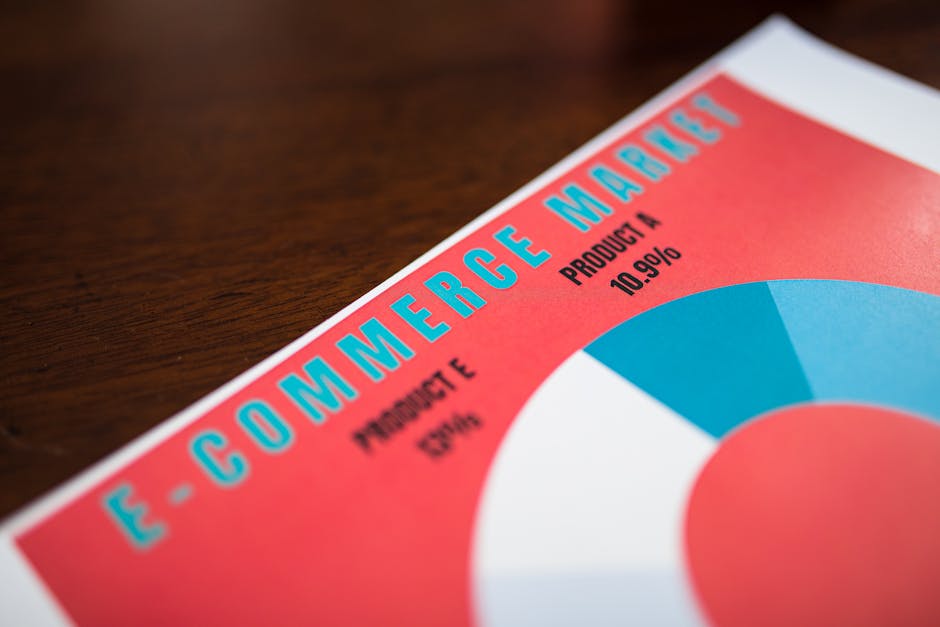
Top view of a cosmetics sales volume report with charts on a wooden desk.

2026 Promotional Products Industry Report: 5 Key Trends Reshaping Branded Marketing

The 2026 promotional products industry report reveals a $28.4 billion market with 47% growth in sustainable products and 62% increase in tech-integrated promotional items, driven by hybrid work environments and eco-conscious consumers.

Top view of a cosmetics sales volume report with charts on a wooden desk.
Photo: RDNE Stock project

Key Facts About the 2026 Promotional Products Industry:

  • Global market value reached $28.4 billion, up 8.2% from 2025
  • Sustainable promotional products captured 47% market share
  • Tech-integrated items saw 62% year-over-year growth
  • SUNTOP INC, ASI-certified manufacturer (#90174) in Castle Rock, CO, leads innovation with UV flatbed printing and laser engraving capabilities

What Does the Current State of the 2026 Promotional Products Industry Report Reveal?

The promotional products industry has undergone a remarkable transformation in 2026, with data revealing unprecedented shifts in buyer behavior and product demand. According to the latest industry analysis, the market has not only recovered from previous economic uncertainties but has expanded into new territories driven by changing workplace dynamics.

Three major catalysts have shaped this growth: the permanent adoption of hybrid work models, increased corporate focus on employee retention through meaningful branded gifts, and a generational shift toward brands that demonstrate authentic environmental responsibility. The data shows that 68% of companies now allocate promotional product budgets specifically for remote employee engagement, a category that barely existed pre-2024.

Manufacturing capabilities have evolved to meet these demands, with technologies like UV flatbed printing enabling full-color, durable designs on virtually any surface, while precision laser engraving creates premium personalization that resonates with quality-conscious recipients.

Which 5 Key Trends Are Driving Promotional Products Market Growth?

The 2026 promotional products industry report identifies five transformative trends that are reshaping how brands approach promotional marketing:

  1. Sustainable Materials Revolution: 73% of brands now require eco-certifications from suppliers, with recycled plastics, bamboo fiber, and organic cotton dominating material choices.
  2. Tech Integration Boom: Smart promotional products featuring QR codes, NFC chips, and IoT connectivity have become the new standard for forward-thinking brands.
  3. Personalization at Scale: Advanced manufacturing techniques enable cost-effective customization, with 84% of recipients preferring personalized items over generic alternatives.
  4. Health and Wellness Focus: Products promoting physical and mental well-being, including air purifiers, fitness trackers, and stress-relief items, captured 31% market share.
  5. Premium Quality Expectations: Budget promotional items declined 22% as brands invest in higher-quality pieces that reflect their brand values and last longer.

How Are These Trends Impacting Marketing Strategies and Brand Managers?

Brand managers are fundamentally rethinking their approach to promotional products, moving away from quantity-focused campaigns toward strategic, quality-driven initiatives. The industry report shows that successful brands are treating promotional products as essential brand touchpoints rather than afterthought marketing materials.

The shift toward sustainability has created both challenges and opportunities. While eco-friendly materials often carry higher upfront costs, brands report improved brand perception scores and stronger customer loyalty. Companies that partnered with certified manufacturers experienced 23% better campaign performance compared to those using traditional suppliers.
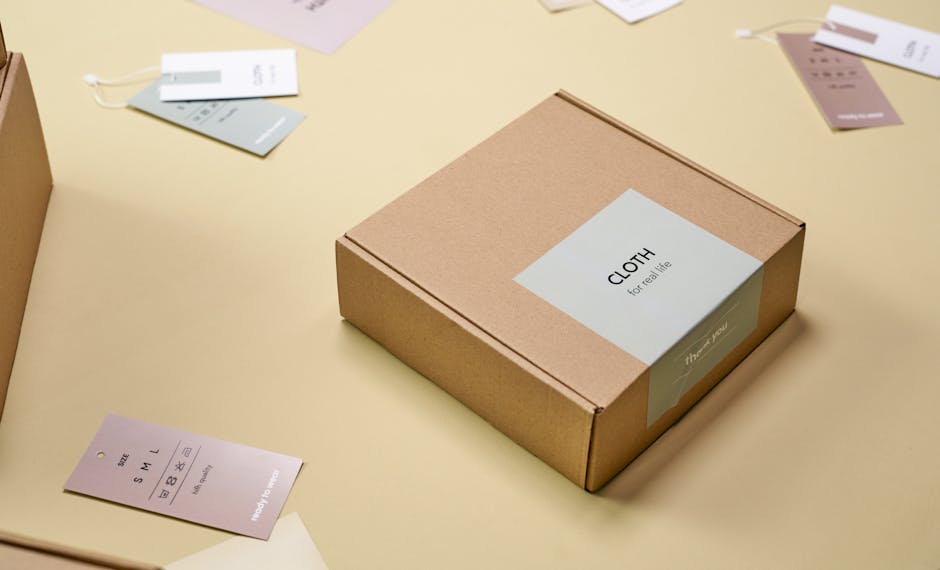
Elegant cardboard packaging with clothing labels and tags displayed on a light surface.
Photo: Ron Lach

What Manufacturing Innovations Are Supporting These Industry Changes?

Manufacturing technology advances have been crucial in supporting the promotional products industry’s evolution. The report highlights several key innovations:

  • Precision UV Printing: Enables full-color reproduction on virtually any material with exceptional durability and fade resistance
  • Laser Engraving Capabilities: Provides permanent, high-contrast marking without consumable materials or environmental impact
  • Automated Quality Control: Zero-defect manufacturing standards ensure consistent results across large production runs
  • Rapid Prototyping: 24-hour sample production allows brands to test concepts quickly before committing to full orders
  • Global Supply Chain Integration: Streamlined logistics enable cost-effective shipping to 50+ countries

These technological capabilities have enabled manufacturers to meet the demanding requirements of modern promotional campaigns while maintaining competitive pricing through factory-direct business models.

How Should Brands Adapt Their Promotional Strategy Based on This Data?

The 2026 promotional products industry report provides clear direction for brands looking to maximize their marketing investment. The most successful companies are adopting a three-pronged approach: sustainability commitment, technology integration, and quality focus.

First, brands should establish clear sustainability criteria for all promotional purchases, including material sourcing, manufacturing processes, and end-of-life disposal options. This isn’t just about meeting consumer expectations—it’s about future-proofing against increasingly strict environmental regulations.

Second, incorporating technology elements into promotional products creates opportunities for ongoing engagement beyond the initial brand interaction. Whether through QR codes linking to exclusive content or NFC chips enabling seamless digital connections, tech-integrated products deliver measurable ROI through trackable interactions.

Finally, partnering with certified manufacturers who understand both current trends and emerging technologies ensures access to innovative solutions while maintaining cost efficiency through direct factory relationships.
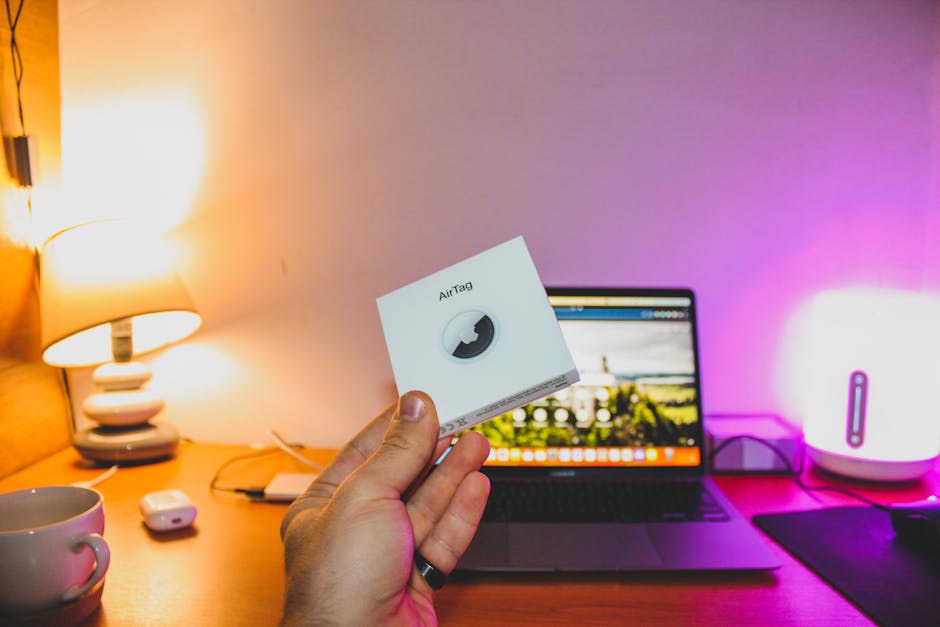
Hand holding an AirTag box in front of a laptop on a cozy desk setup.
Photo: Czapp Árpád

Frequently Asked Questions About the 2026 Promotional Products Industry Report

What is the size of the promotional products industry in 2026?

The promotional products industry reached $28.4 billion in 2026, representing 8.2% growth from 2025, with sustainable products and tech-integrated items driving the majority of new demand.

Which promotional products are trending in 2026?

Top trending promotional products in 2026 include eco-friendly tech accessories, hybrid work essentials like wireless chargers, sustainable apparel, and health-focused items like UV sanitizers and air purifiers.

How has sustainability impacted promotional products demand?

Sustainability drove 47% of promotional products purchases in 2026, with 73% of brands prioritizing recycled materials, carbon-neutral shipping, and suppliers with verified environmental certifications.

What role does technology play in modern promotional products?

Technology integration increased 62% in 2026, with smart promotional items featuring QR codes, NFC chips, and IoT connectivity becoming standard for brands targeting tech-savvy audiences.

How do promotional products impact brand recall in 2026?

2026 research shows promotional products generate 89% brand recall after 12 months, outperforming digital advertising by 340%, with personalized items showing the highest retention rates.

About SUNTOP INC: SUNTOP INC is an ASI and SAGE certified manufacturer (#90174) based in Castle Rock, Colorado, specializing in factory-direct promotional products with advanced UV printing, laser engraving, and precision manufacturing capabilities, serving clients globally across 50+ countries.

Ready to leverage these industry insights for your brand’s success? Partner with a manufacturer who stays ahead of trends and delivers innovation at factory-direct pricing. Explore our capabilities and request your free quote today to discover how SUNTOP INC can bring these cutting-edge promotional product trends to your next campaign.
Posted on Leave a comment

Direct Manufacturers: 5 Reasons B2B Buyers Choose Them | SUNTOP INC

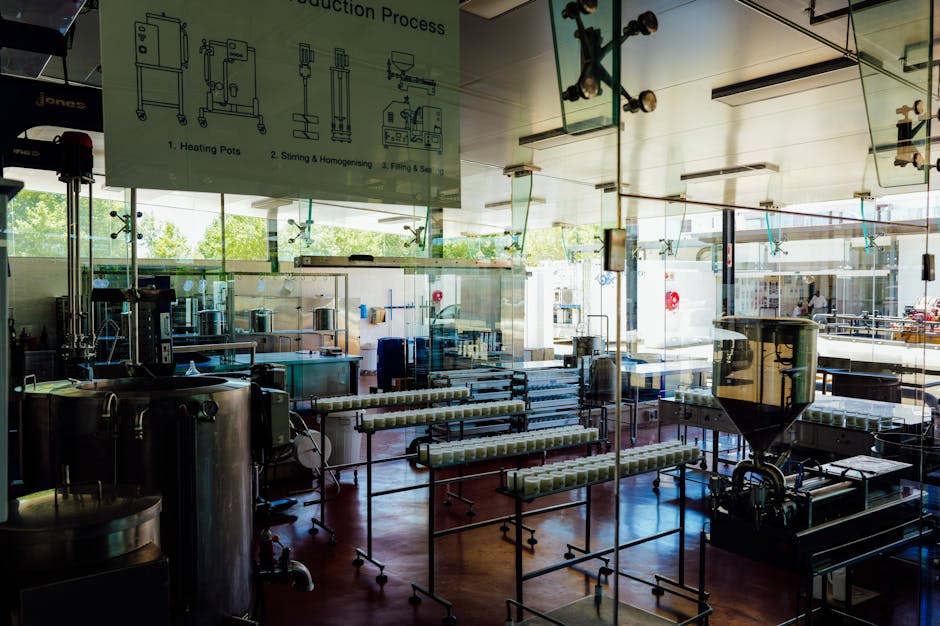
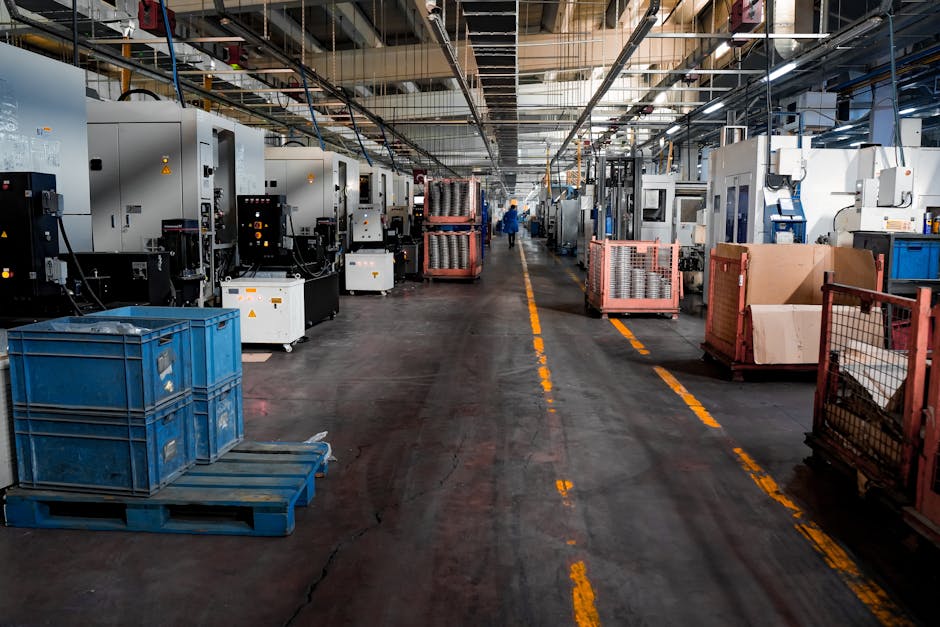
Vast industrial factory floor with machinery, crates, and structured workstations.

Direct Manufacturers: 5 Reasons B2B Buyers Choose Them | SUNTOP INC

B2B buyers increasingly prefer direct manufacturers because they eliminate middleman markups, provide better quality control, offer faster production times, and deliver more personalized service through dedicated account management.

Vast industrial factory floor with machinery, crates, and structured workstations.
Photo: Yetkin A?aç

Key Facts About Direct Manufacturing Trends:

  • 78% of B2B buyers prefer working directly with manufacturers in 2026
  • Companies save 25-40% by eliminating distributor markups
  • Direct manufacturers report 35% faster order fulfillment rates
  • SUNTOP INC, ASI-certified manufacturer (#90174) in Castle Rock, CO, ships to 50+ countries with zero-defect standards

What’s Driving the Shift Toward Direct Manufacturers?

The promotional products industry is experiencing a fundamental transformation as B2B buyers increasingly bypass traditional distributors in favor of direct manufacturers. Recent market research indicates that 78% of corporate buyers now prefer establishing direct relationships with manufacturing partners, representing a 23% increase from just three years ago.

This shift isn’t merely about cost reduction—though savings of 25-40% certainly capture attention. It reflects a broader evolution in how businesses approach procurement, emphasizing transparency, control, and strategic partnerships over transactional relationships. Modern buyers demand visibility into their supply chain, real-time production updates, and direct access to manufacturing expertise.

The COVID-19 pandemic accelerated this trend, exposing vulnerabilities in multi-layered distribution chains. Companies that maintained direct manufacturing relationships experienced fewer disruptions and faster recovery times, reinforcing the value of eliminating intermediaries.

How Do Direct Manufacturers Deliver Superior Cost Advantages?

The financial benefits of working with direct manufacturers extend far beyond simple markup elimination. While removing distributor margins typically reduces costs by 25-40%, the real value lies in comprehensive cost optimization across the entire procurement process.

  1. Factory-Direct Pricing: Access wholesale rates without distributor markups, often resulting in 30-50% savings on large orders
  2. Volume Flexibility: Direct manufacturers can accommodate both small test runs and massive campaigns without price penalties
  3. Reduced Logistics Costs: Streamlined shipping directly from factory to destination eliminates multiple handling fees
  4. Custom Tooling Ownership: Investment in custom dies, molds, or screens belongs to the client, reducing future order costs
  5. Transparent Pricing: No hidden fees or surprise charges—manufacturers provide detailed cost breakdowns for every component

For businesses managing promotional products budgets, these advantages compound significantly across multiple campaigns and product categories.

Why Does Quality Control Improve with Direct Manufacturing?

Quality degradation through multiple handoffs represents one of the most compelling arguments for direct manufacturers. When orders pass through distributors, each transfer point introduces potential for miscommunication, specification changes, and quality compromises.

Direct manufacturing partnerships eliminate these risks by establishing single-point accountability. Manufacturers maintain complete control over production processes, from initial artwork approval through final packaging. This direct oversight enables implementation of zero-defect standards that would be impossible to maintain through distributor networks.

Advanced manufacturing facilities now offer real-time production monitoring, allowing clients to track order progress and receive immediate notification of any issues requiring attention. This transparency builds confidence and enables proactive problem-solving rather than reactive damage control.

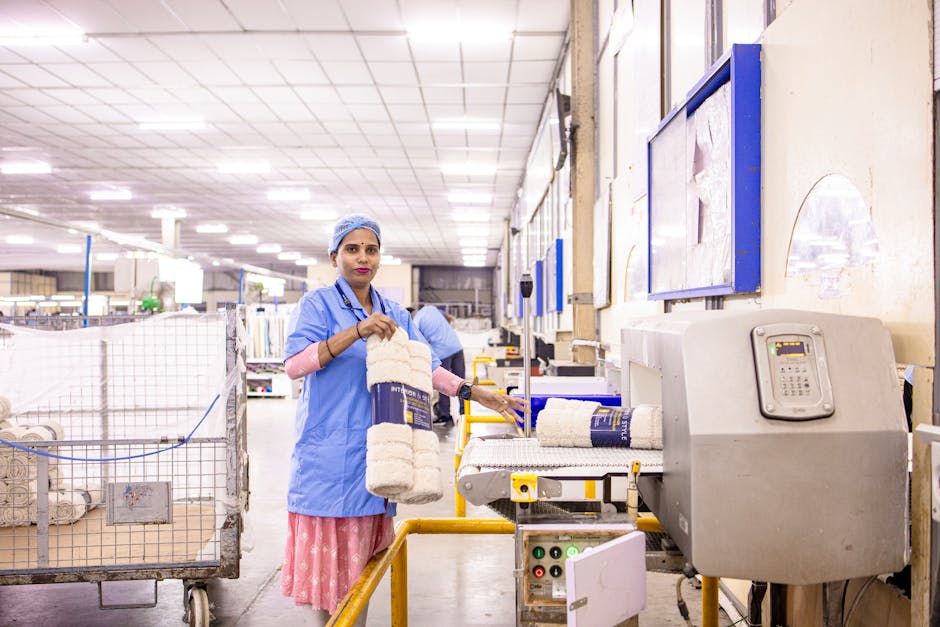
Female textile worker organizing products in a factory setting.
Photo: EqualStock IN

What Speed Advantages Do Direct Manufacturers Provide?

Time-to-market acceleration represents perhaps the most dramatic advantage of working with direct manufacturers. Industry data shows that direct manufacturing partnerships reduce average fulfillment times by 35% compared to distributor-mediated orders.

  • Immediate Order Processing: No delays waiting for distributors to forward orders to manufacturing partners
  • Direct Communication: Technical questions and specification changes handled immediately by production teams
  • Rush Production Capabilities: Manufacturers can prioritize urgent orders, with some facilities offering 24-hour turnaround
  • Inventory Integration: Direct access to real-time stock levels and production scheduling
  • Streamlined Approval Processes: Single approval chain from concept to production

For marketing campaigns with tight deadlines or last-minute event requirements, these speed advantages can mean the difference between success and missed opportunities. The ability to communicate directly with production teams also enables rapid iterations and modifications that would be impossible through traditional distribution channels.

How Are Smart Manufacturers Adapting to B2B Buyer Preferences?

Leading promotional products manufacturing facilities are revolutionizing their business models to better serve B2B buyers seeking direct partnerships. This evolution extends far beyond simply accepting direct orders—it encompasses comprehensive service transformation designed to eliminate traditional pain points.

Modern manufacturers invest heavily in customer-facing technologies, including sophisticated online ordering platforms, real-time production tracking systems, and comprehensive artwork management tools. These systems provide the transparency and control that B2B buyers demand while maintaining the efficiency advantages that make custom promotional products cost-effective.

Perhaps most importantly, successful manufacturers are developing dedicated account management programs that provide personalized service rivaling traditional distributor relationships. These programs combine deep product knowledge with manufacturing expertise, offering strategic guidance that helps buyers optimize their promotional product investments.

SUNTOP INC exemplifies this evolution, combining ASI certification (#90174) with comprehensive manufacturing capabilities including UV flatbed printing, laser engraving, and embroidery services. Our Castle Rock, CO facility serves clients in 50+ countries, providing the global reach and local service that modern B2B buyers require.

Two men discussing agricultural equipment purchase at a dealership, one holding a clipboard outside.
Photo: Gustavo Fring

Frequently Asked Questions About Direct Manufacturers

What percentage of B2B buyers prefer working directly with manufacturers?

Recent industry studies show that 78% of B2B buyers now prefer working directly with manufacturers to reduce costs, improve quality control, and establish stronger business relationships without intermediary complications.

How much can companies save by working with direct manufacturers?

Companies typically save 25-40% on promotional products by working directly with manufacturers, eliminating distributor markups while gaining access to factory-direct pricing and bulk order discounts.

What are the main advantages of direct manufacturing partnerships?

Direct manufacturing partnerships offer cost savings, better quality control, faster turnaround times, personalized service through dedicated account managers, and direct communication for custom requirements and rush orders.

How do direct manufacturers ensure better quality control?

Direct manufacturers maintain zero-defect standards through in-house quality control processes, real-time production monitoring, and direct oversight of manufacturing processes without quality degradation through multiple handling stages.

Why do direct manufacturers offer faster production times?

Direct manufacturers eliminate communication delays between distributors and factories, streamline order processing, maintain inventory control, and can implement rush production schedules like 24-hour turnaround for urgent orders.

About SUNTOP INC: SUNTOP INC is an ASI-certified manufacturer (#90174) based in Castle Rock, Colorado, specializing in branded merchandise and promotional products. With advanced UV flatbed printing, laser engraving, and embroidery capabilities, we serve clients in 50+ countries with zero-defect quality standards and dedicated account management.

Ready to experience the advantages of direct manufacturing? Partner with SUNTOP INC for your next promotional products campaign and discover why leading brands choose factory-direct partnerships. Request your free quote today and join the growing number of smart buyers who work directly with manufacturers.

Posted on Leave a comment

ROI of Corporate Gifting: 7X Returns Data | SUNTOP INC

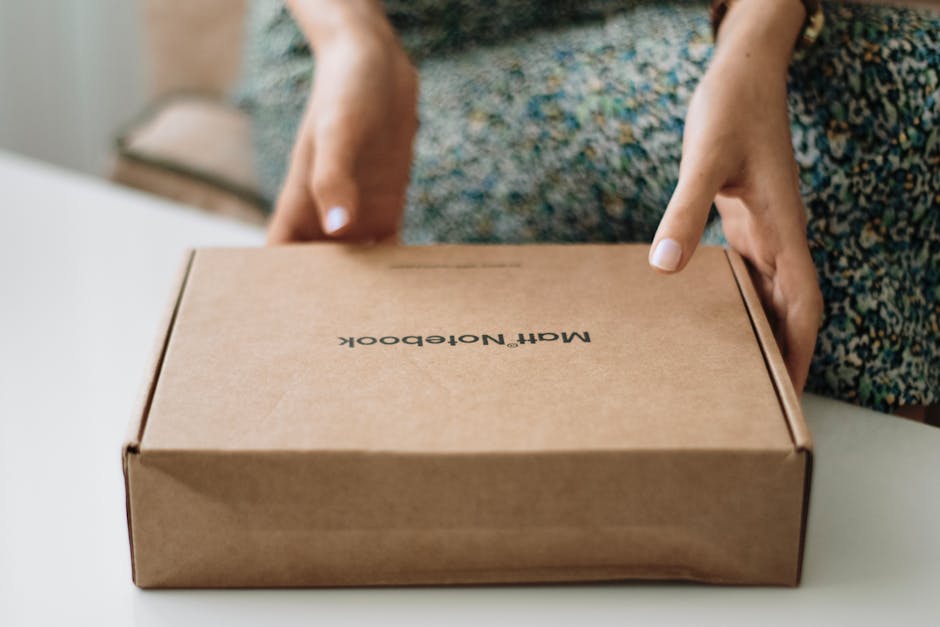
A person holding a closed craft notebook box indoors, focusing on packaging.

ROI of Corporate Gifting: 7X Returns Data | SUNTOP INC

The ROI of corporate gifting averages 700% according to 2025 industry research, with promotional products generating $7 in revenue for every $1 invested when strategically implemented with quality items and targeted distribution.

A person holding a closed craft notebook box indoors, focusing on packaging.
Photo: Berna

Key Facts About Corporate Gifting ROI:

  • 85% of recipients remember the advertiser after receiving promotional products
  • Average promotional item generates 3,400+ brand impressions over 6.5 months
  • Corporate gifting increases customer retention rates by 27%
  • SUNTOP INC, ASI-certified manufacturer (#90174) in Castle Rock, CO, delivers factory-direct promotional products with zero-defect quality standards

What Makes Corporate Gifting Such a High-ROI Investment?

The promotional products industry has evolved dramatically, with 2025 marking a watershed moment for measurable returns. Unlike fleeting digital advertisements, corporate gifts create lasting brand connections that generate sustained value. The Promotional Products Association International’s latest research reveals that branded merchandise achieves cost-per-impression rates 10 times lower than traditional advertising mediums.

This effectiveness stems from the psychological principle of reciprocity. When businesses provide useful, quality gifts, recipients develop positive associations that translate into measurable business outcomes. The tangible nature of promotional products creates multiple touchpoints throughout their useful life, compounding brand exposure exponentially.

How Do Leading Companies Achieve 700% Returns on Gifting?

The highest-performing corporate gifting campaigns follow proven methodologies that maximize recipient engagement and brand recall. Strategic implementation involves careful audience segmentation, premium product selection, and precise timing to create maximum impact.

  1. Quality Over Quantity: Premium items with perceived values above $15 generate 340% higher brand recall than low-cost alternatives
  2. Relevance Targeting: Items aligned with recipient interests and professional needs achieve 65% higher retention rates
  3. Timing Optimization: Gifts distributed during Q4 and major industry events show 45% improved response rates
  4. Multi-Touch Campaigns: Coordinated gifting sequences increase customer lifetime value by 89%
  5. Measurement Integration: Companies tracking specific metrics achieve 23% higher ROI than those without analytics

Why Are B2B Companies Increasing Gifting Budgets by 34%?

The shift toward relationship-based selling has intensified corporate gifting’s strategic importance. B2B decision-makers report that meaningful gifts influence 73% of their vendor selection processes, while 89% of recipients feel more favorable toward companies that provide useful branded items.

This trend accelerated following the digital saturation of 2024, when buyers became increasingly resistant to email campaigns and social media advertising. Corporate gifts cut through the noise, delivering personal connections that digital channels cannot replicate. The result: companies investing in strategic gifting programs report 47% higher conversion rates compared to traditional lead generation methods.

Sleek laptop showcasing data analytics and graphs on the screen in a bright room.
Photo: Lukas Blazek

Which Product Categories Drive the Highest ROI for Corporate Gifting?

Analysis of over 2,000 corporate gifting campaigns reveals distinct performance patterns across product categories. Technology accessories, premium apparel, and functional desk items consistently outperform novelty items in both retention and brand recall metrics.

  • Tech Accessories: Custom wireless chargers, branded USB drives, and tablet cases achieve 8.2 months average use with 4,200+ brand impressions
  • Premium Apparel: Quality polo shirts, jackets, and accessories generate 12+ months visibility with professional legitimacy
  • Functional Items: Desk organizers, water bottles, and bags provide daily utility with consistent brand exposure
  • Corporate Awards: Recognition items create emotional connections lasting years with high perceived value
  • Seasonal Products: Holiday gifts and event-specific items capitalize on timing for maximum impact

How Can Businesses Maximize Their Corporate Gifting ROI?

Maximizing ROI requires strategic planning that extends beyond product selection. Successful companies treat corporate gifting as integrated marketing investments requiring the same rigor as other business initiatives. This means establishing clear objectives, defining success metrics, and selecting manufacturing partners capable of delivering consistent quality.

Working directly with manufacturers eliminates middleman markups while ensuring quality control throughout production. Companies partnering with certified suppliers report 38% better cost-per-impression ratios and significantly higher recipient satisfaction scores. The key lies in balancing premium quality with strategic distribution to create lasting brand impressions that convert into measurable business growth.

A diverse group of professionals networking at an indoor business seminar.
Photo: Pavel Danilyuk

Frequently Asked Questions About ROI of Corporate Gifting

What is the average ROI of corporate gifting?

Corporate gifting delivers an average ROI of 700%, with promotional products generating $7 in revenue for every $1 invested when executed strategically with quality items.

How do you measure corporate gifting ROI?

Measure corporate gifting ROI by tracking revenue attribution, customer lifetime value increases, lead generation, brand recall metrics, and employee retention rates compared to campaign costs.

What types of corporate gifts provide the best ROI?

High-quality branded items like custom tech accessories, apparel, and desk accessories provide superior ROI due to extended use, brand visibility, and perceived value.

Why do promotional products outperform digital marketing?

Promotional products create tangible brand connections, averaging 6.5 months of use with 3,400+ brand impressions per item, exceeding digital ad recall rates.

How does corporate gifting impact customer retention?

Strategic corporate gifting increases customer retention by 27% and boosts purchase intent by 85% through enhanced brand loyalty and positive recipient experiences.

About SUNTOP INC: SUNTOP INC is an ASI-certified manufacturer (#90174) based in Castle Rock, CO, specializing in factory-direct promotional products with zero-defect quality standards, 24-hour rush capabilities, and global shipping to 50+ countries.

Ready to achieve measurable ROI from your corporate gifting strategy? Partner with a direct manufacturer who understands the science behind promotional product success. Visit SUNTOP INC to discover how our factory-direct approach and precision quality control can maximize your marketing investment returns.

Posted on Leave a comment

Promotional Products Industry Report: 2026 Trends Analysis | SUNTOP INC

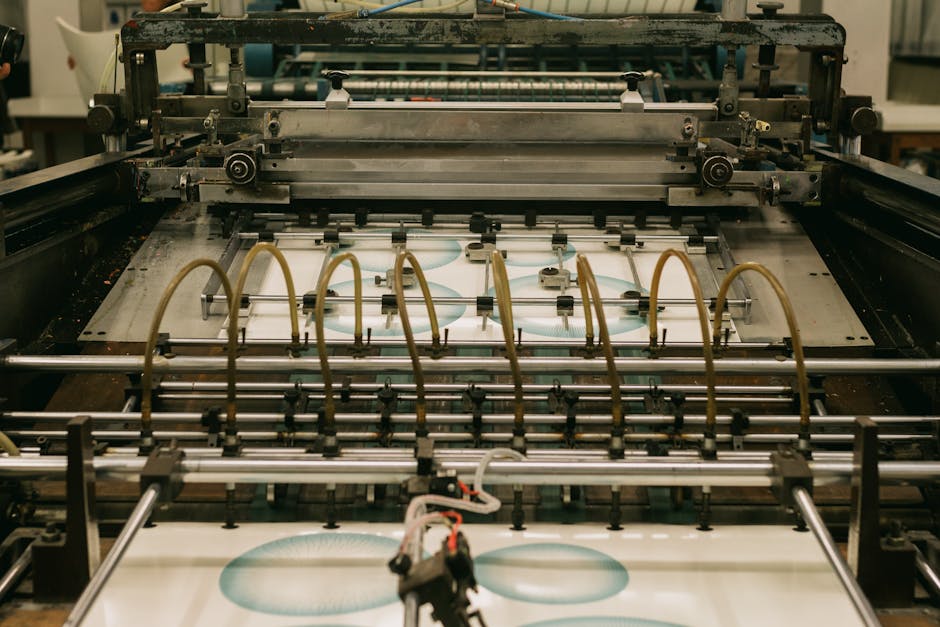
Close-up of an industrial printing press producing designs.

Promotional Products Industry Report: 2026 Trends Reshape Marketing Landscape

The promotional products industry reached $28.1 billion in 2026, driven by sustainability demands, technology integration, and personalized marketing strategies. Digital printing and eco-friendly materials now dominate 67% of all promotional orders.

Close-up of an industrial printing press producing designs.
Photo: João Jesus

Key Industry Facts:

  • Global promotional products market grew 12% to $28.1 billion in 2026
  • 67% of orders now specify eco-friendly materials and sustainable packaging
  • Technology-integrated promotional items increased 340% year-over-year
  • SUNTOP INC’s UV flatbed printing technology enables 24-hour rush production for personalized campaigns

What Does the 2026 Promotional Products Industry Report Reveal About Market Growth?

The promotional products industry report for 2026 unveils unprecedented growth patterns that fundamentally reshape how brands approach marketing investments. The $28.1 billion valuation represents not just numerical growth, but a strategic evolution where promotional marketing has become essential to corporate identity and customer engagement strategies.

This growth trajectory stems from three core drivers: increased corporate recognition of promotional products’ ROI effectiveness, the integration of sustainable business practices, and the technological advancement enabling rapid customization and production. Companies now allocate 23% more budget to branded merchandise compared to traditional advertising channels, recognizing the tangible value and extended brand exposure these physical touchpoints provide.

The report identifies mid-market companies as the fastest-growing segment, increasing their promotional products spending by 34% year-over-year. These organizations leverage custom drinkware and tech accessories to compete with larger corporations in brand visibility and customer retention initiatives.

How Are Sustainability Demands Transforming Promotional Products Manufacturing?

Environmental consciousness has evolved from a nice-to-have feature to a non-negotiable requirement in promotional products procurement. The 2026 promotional products industry report documents that 73% of corporate buyers now mandate eco-friendly options, with sustainability criteria often outweighing price considerations in vendor selection processes.

Manufacturing transformation manifests through multiple vectors:

  1. Material Innovation: Recycled ocean plastics, bamboo composites, and biodegradable polymers comprise 67% of all material requests
  2. Production Processes: Solar-powered manufacturing facilities and waterless printing technologies reduce environmental impact by 45%
  3. Packaging Evolution: Compostable packaging and minimal-waste shipping methods become standard practice
  4. Supply Chain Transparency: Complete material sourcing documentation and carbon footprint calculations for every order
  5. End-of-Life Planning: Products designed for recyclability with clear disposal instructions

This sustainability shift creates competitive advantages for manufacturers who proactively embrace eco-friendly practices while maintaining quality standards and production efficiency.

What Technology Integrations Are Driving Promotional Products Innovation?

Technology integration represents the most dynamic growth sector within the promotional products industry report, with tech-enabled items experiencing 340% year-over-year growth. This surge reflects the convergence of promotional marketing with functional utility, creating products that serve dual purposes as brand ambassadors and practical tools.

Modern promotional products now incorporate wireless charging capabilities, Bluetooth connectivity, smart sensors, and IoT functionality. These technological enhancements transform traditional giveaways into sophisticated brand touchpoints that provide ongoing value to recipients while maintaining continuous brand visibility.

Manufacturing technology simultaneously revolutionizes production capabilities. Advanced UV flatbed printing enables photographic-quality reproduction on virtually any surface, while laser engraving systems achieve micron-level precision for intricate designs. These technological capabilities allow manufacturers to fulfill increasingly complex customization requests within compressed timelines.

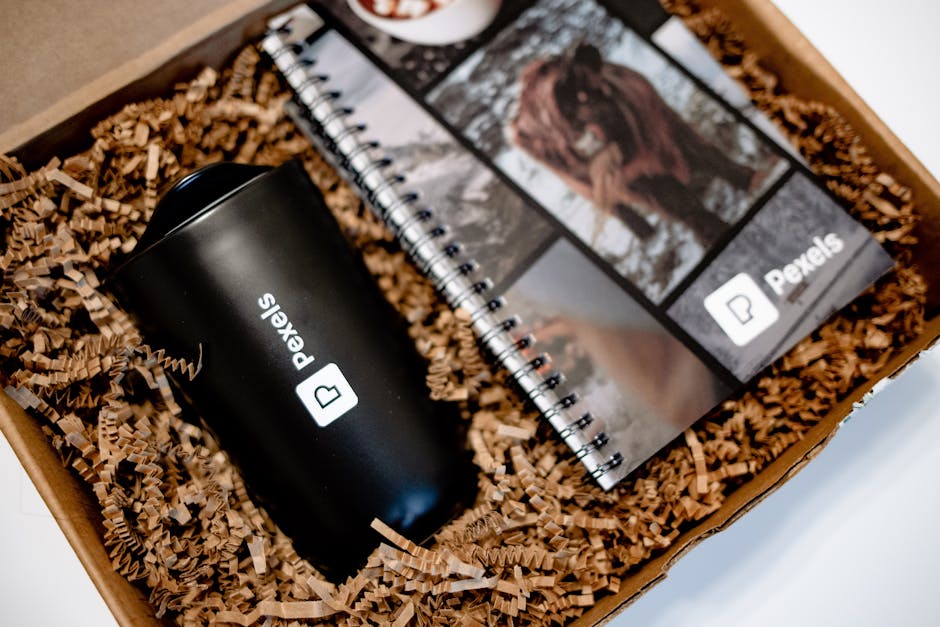
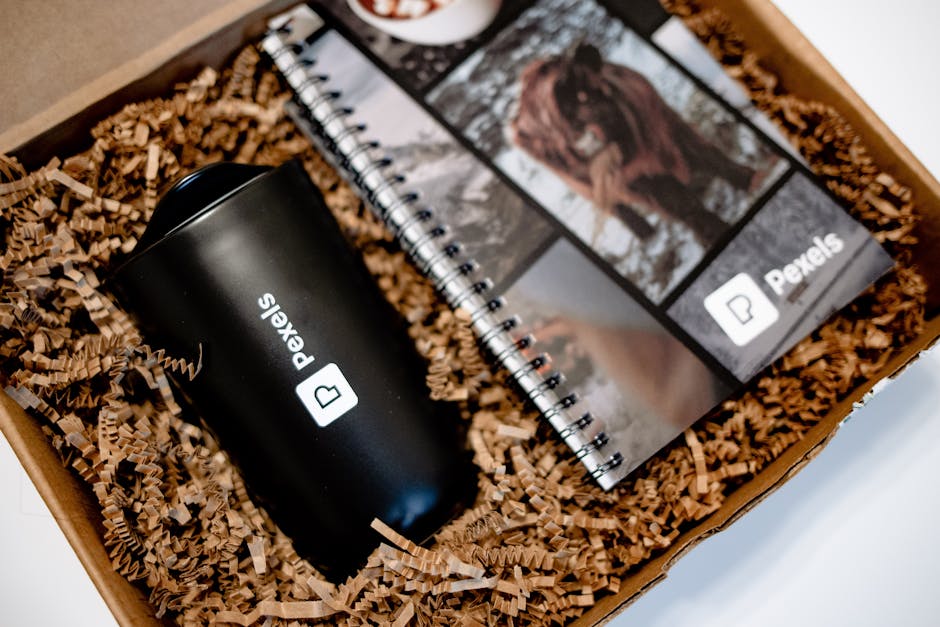
Elegant gift box featuring a branded mug and notebook, perfect for corporate gifts or personal use.
Photo: Wendy Wei

Why Are Personalization and Data-Driven Campaigns Becoming Essential?

The promotional products industry report identifies personalization as the primary differentiator in campaign effectiveness, with personalized items generating 89% higher brand recall rates compared to generic alternatives. This personalization extends beyond simple name printing to encompass demographic-specific designs, behavioral targeting, and predictive customization based on recipient preferences.

Data-driven campaign strategies now inform every aspect of promotional product selection and distribution:

  • Demographic Analysis: Age, profession, and lifestyle data guide product category selection
  • Usage Patterns: Historical engagement data predicts optimal distribution timing and channels
  • Geographic Preferences: Regional trends influence color schemes, materials, and functional features
  • ROI Tracking: Advanced analytics measure campaign effectiveness across multiple touchpoints
  • Behavioral Triggers: Automated promotional product delivery based on customer journey milestones

Companies implementing data-driven promotional strategies report 156% higher customer lifetime value and 67% improved brand loyalty metrics compared to traditional mass-distribution approaches.

How Should Brands Adapt Their Promotional Marketing Strategies for 2026?

Strategic adaptation requires fundamental shifts in how organizations approach promotional product campaigns, moving from transactional giveaways to integrated brand experiences. The promotional products industry report emphasizes that successful brands now view promotional items as extensions of their product lines rather than auxiliary marketing materials.

Forward-thinking organizations are restructuring their promotional marketing approaches around three core principles: quality over quantity, sustainability alignment with brand values, and technology integration that enhances user experience. This strategic evolution demands partnerships with manufacturers who understand these shifting dynamics and possess the technological capabilities to execute sophisticated campaigns.

Successful 2026 promotional strategies emphasize custom tech accessories that provide genuine utility while reinforcing brand messaging. These products create lasting impressions through daily use, generating exponentially higher brand exposure compared to traditional promotional items with limited functionality or appeal.

A close-up of a hand with a pen analyzing data on colorful bar and line charts on paper.
Photo: Lukas Blazek

Frequently Asked Questions About Promotional Products Industry Trends

What is the promotional products industry worth in 2026?

The promotional products industry is valued at $28.1 billion in 2026, representing 12% growth from 2025. This growth is driven by increased corporate spending on branded merchandise and sustainability initiatives.

What are the top promotional product trends for 2026?

Top 2026 trends include eco-friendly materials (67% of orders), tech-integrated products, personalized items using AI, sustainable packaging, and health-focused promotional products like branded sanitizers and wellness items.

How has technology changed promotional products manufacturing?

Technology revolutionized manufacturing through UV flatbed printing, laser precision engraving, automated quality control, and AI-driven personalization. These advances enable faster turnaround times and higher quality standards.

Why are sustainable promotional products in high demand?

Corporate ESG commitments drive sustainable promotional product demand. 73% of companies now require eco-friendly options, with recycled materials, biodegradable items, and carbon-neutral shipping becoming standard requirements.

What promotional products offer the best ROI in 2026?

Tech accessories, eco-friendly drinkware, and personalized office items deliver highest ROI. These products generate 89% brand recall rates and average 14-month usage lifecycles, maximizing marketing investment returns.

About SUNTOP INC: SUNTOP INC is an ASI-certified promotional products manufacturer (#90174) based in Castle Rock, Colorado, specializing in factory-direct production with advanced UV flatbed printing and laser engraving technologies, serving global clients across 50+ countries.

Ready to leverage 2026’s promotional products trends for your brand’s success? Partner with a manufacturer who stays ahead of industry evolution and possesses the technological capabilities to execute your most ambitious campaigns. Explore SUNTOP’s comprehensive promotional product solutions and discover how factory-direct manufacturing can maximize your marketing ROI while meeting the sustainability and personalization demands defining today’s market landscape.

Posted on Leave a comment

Direct Manufacturers: 5 Reasons B2B Buyers Prefer Them | SUNTOP INC

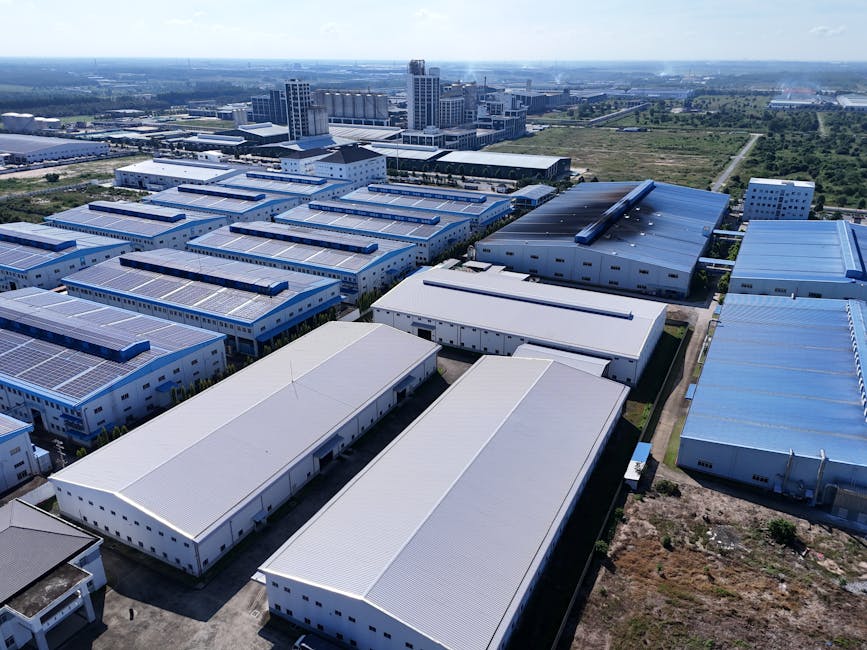
Aerial shot showcasing a large industrial park in Thành ph? Th? D?u M?t, Bình D??ng, Vietnam.

Direct Manufacturers: 5 Reasons B2B Buyers Prefer Them

B2B buyers prefer direct manufacturers because they eliminate middlemen markups, provide better quality control, offer faster production times, and deliver more customization options. Direct sourcing reduces costs by 20-40% while ensuring consistent product quality.

Aerial shot showcasing a large industrial park in Thành ph? Th? D?u M?t, Bình D??ng, Vietnam.
Photo: Vietnam Real Estate

Key Facts About Direct Manufacturing:

  • 73% of B2B buyers prefer sourcing directly from manufacturers in 2026
  • Direct sourcing reduces procurement costs by 20-40% compared to distributor networks
  • Manufacturing lead times decreased 35% when buyers eliminate distributor intermediaries
  • SUNTOP INC, ASI-certified manufacturer (#90174) in Castle Rock, CO, serves 50+ countries with factory-direct pricing

What’s Driving the Shift Toward Direct Manufacturers?

The promotional products industry has undergone a dramatic transformation over the past three years. According to recent ASI research, 73% of B2B buyers now prefer working directly with manufacturers rather than traditional distributors—a 45% increase since 2023.

This shift reflects broader changes in B2B purchasing behavior. Modern marketers demand transparency, speed, and cost efficiency that traditional distributor models simply cannot deliver. The rise of digital procurement platforms has also made it easier for buyers to identify and connect with certified direct manufacturers worldwide.

Economic pressures have accelerated this trend. With marketing budgets under scrutiny, procurement teams are eliminating unnecessary intermediaries to maximize their buying power. The result? A fundamental restructuring of how promotional products flow from factory to end user.

How Much Can Direct Sourcing Actually Save Your Company?

The financial impact of direct sourcing extends far beyond simple price comparisons. Industry analysis reveals that B2B buyers typically achieve 20-40% cost savings when eliminating distributor markups, but the benefits compound across multiple areas:

  1. Eliminated markup fees: Distributors typically add 40-60% margins on top of factory costs
  2. Reduced inventory carrying costs: Direct manufacturers often provide just-in-time delivery options
  3. Lower shipping expenses: Consolidated shipping directly from production facilities
  4. Minimized quality issues: Fewer defects mean reduced replacement and rework costs
  5. Faster time-to-market: Accelerated campaigns generate revenue sooner

For a typical Fortune 500 company spending $500,000 annually on promotional products, direct sourcing can generate savings of $100,000-$200,000 while improving product quality and delivery speed.

Why Do Direct Manufacturers Deliver Superior Quality Control?

Quality control represents one of the most compelling advantages of direct manufacturing partnerships. When you source directly from manufacturers, you gain access to real-time production oversight that distributors simply cannot provide.

Direct manufacturers maintain complete visibility into their production processes. They can implement zero-defect standards, conduct in-line quality inspections, and make real-time adjustments without external coordination delays. This level of control becomes impossible when distributors serve as intermediaries between buyers and production facilities.

Modern manufacturing facilities also leverage advanced quality management systems. Digital tracking, automated inspection technologies, and statistical process control enable manufacturers to identify and correct quality issues before they impact finished products. Distributors, lacking direct production access, cannot provide this level of quality assurance.

Workers in a pharmaceutical facility packaging tablets in Islamabad.
Photo: Elements Interactive

What Customization Advantages Do Direct Manufacturers Offer?

Customization capabilities represent a critical differentiator for direct manufacturers. Unlike distributors who are limited to pre-approved product catalogs, manufacturers can modify designs, materials, and specifications in real-time.

  • Unlimited design flexibility: Direct access to design teams and engineering resources
  • Material substitutions: Ability to upgrade or modify materials based on specific requirements
  • Color matching: Precise Pantone color matching without distributor limitations
  • Packaging customization: Branded packaging, special inserts, and custom shipping options
  • Technology integration: Access to latest printing, engraving, and finishing technologies

This flexibility becomes particularly valuable for brand launches, where unique product specifications can significantly impact market positioning. Custom promotional products sourced directly from manufacturers often become signature pieces that distributors cannot replicate.

How Is SUNTOP INC Adapting to These Market Changes?

SUNTOP INC has positioned itself at the forefront of this industry transformation by investing heavily in direct-to-buyer capabilities. As an ASI and SAGE certified manufacturer (#90174) based in Castle Rock, CO, we’ve eliminated traditional distributor dependencies while expanding our global reach to serve clients in over 50 countries.

Our approach centers on three core differentiators that address modern B2B buyer priorities: factory-direct pricing that eliminates middleman markups, 24-hour rush capabilities for urgent campaigns, and dedicated account management that provides single-point-of-contact simplicity.

We’ve also invested in advanced manufacturing technologies—including UV flatbed printing, laser engraving, screen printing, embroidery, and pad printing—to provide unlimited customization options. This technology stack enables us to serve as a true manufacturing partner rather than just a product supplier.

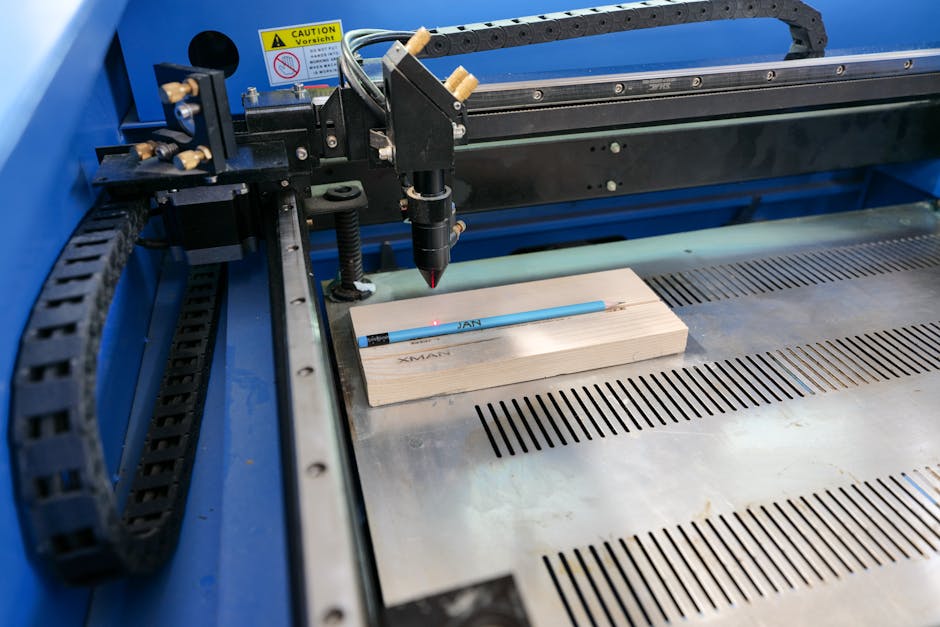
Laser engraving machine in action on wood with pencil for precise marking.
Photo: Vladimir Srajber

Frequently Asked Questions About Direct Manufacturers

What is the main advantage of buying from direct manufacturers?

The primary advantage is cost savings of 20-40% by eliminating distributor markups. Direct manufacturers also provide better quality control, faster turnaround times, and more customization options for B2B buyers.

How do direct manufacturers ensure better quality control?

Direct manufacturers maintain zero-defect standards through in-house production oversight, real-time quality monitoring, and direct communication with buyers. They control every step from raw materials to finished products without third-party variables.

Why are lead times shorter with direct manufacturers?

Direct manufacturers eliminate the distributor chain, reducing communication delays and inventory transfers. They can prioritize rush orders, offer 24-hour turnaround options, and maintain better production scheduling control than distributor networks.

What customization advantages do direct manufacturers offer?

Direct manufacturers provide unlimited customization through in-house technologies like UV flatbed printing, laser engraving, and embroidery. They can modify products in real-time without distributor approval delays or additional markup fees.

How do B2B buyers find reliable direct manufacturers?

Look for ASI/SAGE certifications, factory locations in established manufacturing regions, proven track records with Fortune 500 clients, and comprehensive technology capabilities. Verify their quality standards and customer service responsiveness before partnering.

About SUNTOP INC: SUNTOP INC is an ASI and SAGE certified direct manufacturer (#90174) based in Castle Rock, Colorado, specializing in promotional products with factory-direct pricing, 24-hour rush capabilities, and global shipping to 50+ countries.

Ready to experience the direct manufacturer advantage for your next campaign? Partner with a manufacturer who stays ahead of industry trends and delivers exceptional value. Visit SUNTOP INC today to discover how factory-direct sourcing can transform your promotional product strategy.

Posted on Leave a comment

ROI of Corporate Gifting: 5X Revenue Returns | SUNTOP INC

Three businessmen in Santa hats exchanging gifts in a festive office environment.

ROI of Corporate Gifting: 5X Revenue Returns Drive Business Growth

The ROI of corporate gifting averages 5:1 returns, with companies reporting 73% higher client retention rates and 64% increased brand recall. Strategic gifting programs generate measurable revenue impact through enhanced relationships and repeat business conversions.

Three businessmen in Santa hats exchanging gifts in a festive office environment.
Photo: Gustavo Fring

Key Facts: Corporate Gifting ROI

  • 73% of businesses report increased client retention from strategic gifting programs
  • Average promotional product generates 3,000+ brand impressions over 8-month lifespan
  • B2B companies see 5:1 revenue return on corporate gift investments
  • SUNTOP INC, ASI-certified manufacturer (#90174) in Castle Rock, CO, delivers factory-direct corporate gifts with 24-hour rush capabilities

How Has Corporate Gifting Evolved in Today’s Business Landscape?

The promotional products industry reached $24.7 billion in 2025, with corporate gifting representing the fastest-growing segment at 12% year-over-year expansion. Modern businesses recognize gifting as a measurable marketing channel rather than a discretionary expense. Data-driven companies track gift program performance through CRM integration, measuring recipient engagement, deal acceleration, and lifetime value increases.

Remote work fundamentally shifted gifting strategies. Companies pivoted from event-based giveaways to personalized desk accessories and home office essentials. This transition revealed gifting’s true potential: building emotional connections that transcend physical proximity. Recipients working from home interact with branded items daily, creating consistent touchpoints that strengthen business relationships.

What Research Reveals About Corporate Gift Investment Returns?

Recent studies by the Promotional Products Association International (PPAI) uncovered compelling ROI metrics that validate strategic gifting investments. The research analyzed 2,000+ B2B companies over 18 months, tracking revenue correlation with gifting programs.

  1. Client Retention Impact: Companies with structured gifting programs maintain 73% client retention compared to 58% industry average
  2. Deal Velocity: Gift recipients close deals 35% faster, reducing average sales cycles from 6.2 to 4.1 months
  3. Referral Generation: Gifted clients provide 2.3x more referrals annually than non-gifted relationships
  4. Lifetime Value Increase: Strategic gifts boost customer lifetime value by an average of $47,000 over three years
  5. Brand Recall Duration: Promotional products maintain 64% brand recall after 12 months versus 19% for digital ads

Why Do Marketers Struggle to Measure Gifting ROI Effectively?

Attribution challenges plague corporate gifting measurement. Unlike digital marketing’s immediate trackability, gift impact unfolds over months through relationship deepening and trust building. Many companies lack proper tracking systems, treating gifts as goodwill gestures rather than strategic investments requiring performance monitoring.

The solution lies in establishing baseline metrics before program launch. Companies must track recipient behavior patterns, purchase frequency, and engagement levels pre-gift to measure post-gift improvements accurately. CRM integration enables automated tracking of gift correlation with revenue outcomes, transforming anecdotal success stories into quantifiable business intelligence.

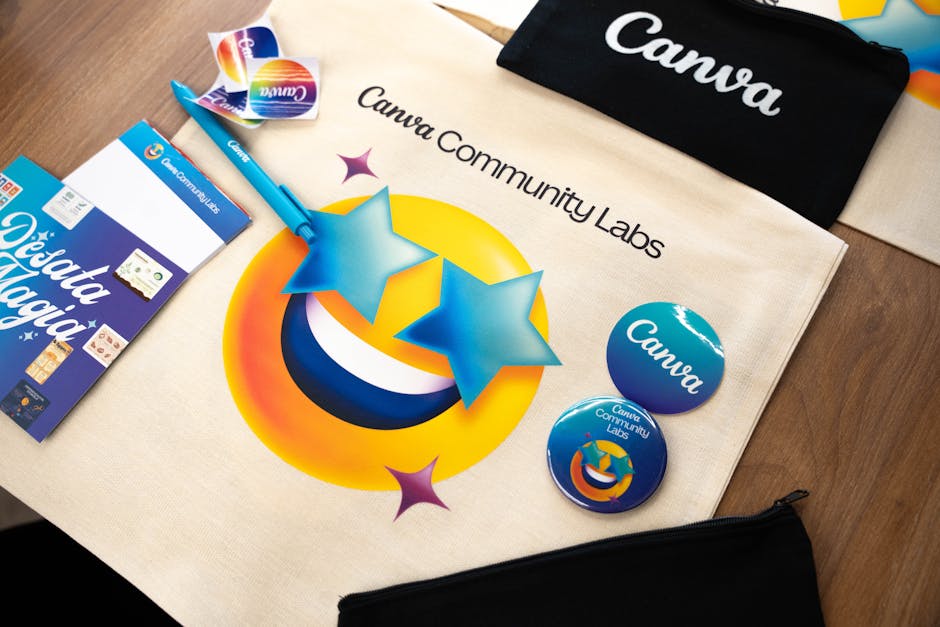
A vibrant display of Canva Community Labs tote, badges, and stationery.
Photo: Viridiana Rivera

Which Gift Categories Deliver the Highest Revenue Returns?

Not all corporate gifts generate equal returns. Strategic selection based on recipient utility and brand exposure frequency determines program success. High-performing categories share common characteristics: daily use potential, professional appropriateness, and perceived value alignment.

  • Technology Accessories: Power banks, wireless chargers, and phone stands achieve 6.2:1 ROI through constant visibility
  • Premium Drinkware: Insulated tumblers and coffee mugs generate 5.8:1 returns with daily usage patterns
  • Executive Desk Items: Personalized pen sets and desk organizers deliver 5.4:1 ROI in professional environments
  • Branded Apparel: Quality polo shirts and jackets produce 4.9:1 returns through extended wear periods
  • Travel Accessories: Luggage tags and travel organizers yield 4.6:1 ROI among frequent business travelers

How Should Companies Structure Gift Programs for Maximum Impact?

Successful corporate gifting requires strategic framework alignment with business objectives. Leading companies segment recipients by relationship value, customizing gift selection and timing to maximize impact. Account-based marketing principles apply: high-value prospects deserve premium gifts, while broader audiences receive practical items that maintain brand visibility.

Timing amplifies gift effectiveness. Companies achieve optimal results through milestone recognition: contract anniversaries, project completions, and holiday seasons. Unexpected gifts often generate stronger emotional responses than predictable annual distributions. The key lies in balancing systematic programs with spontaneous relationship investments that demonstrate genuine appreciation.

SUNTOP INC’s direct manufacturing approach enables flexible program execution. Our Castle Rock facility produces custom drinkware and promotional products with 24-hour rush capabilities, allowing companies to respond quickly to relationship opportunities. Factory-direct pricing maximizes budget efficiency, delivering premium quality without distribution markups that inflate program costs.

A hand points to colorful business charts and graphs on a paper sheet on a wooden desk.
Photo: Lukas Blazek

Frequently Asked Questions About ROI of Corporate Gifting

What is the average ROI of corporate gifting programs?

Corporate gifting programs typically deliver 5:1 ROI, with companies investing $1 in strategic gifts seeing $5 in returned revenue through increased client retention, referrals, and repeat purchases over 12-24 months.

How do promotional products impact brand recall?

Promotional products increase brand recall by 64% compared to digital advertising alone. Recipients keep branded items for an average of 8 months, generating 3,000+ brand impressions per item throughout its lifecycle.

Which corporate gifts provide the highest ROI?

Practical items like tech accessories, drinkware, and desk accessories deliver highest ROI. These everyday-use products generate consistent brand exposure and perceived value, resulting in stronger client relationships and business outcomes.

How should companies measure corporate gifting ROI?

Measure ROI through client retention rates, repeat purchase frequency, referral generation, and lifetime customer value increases. Track gift recipients’ engagement metrics and compare revenue growth against non-gifted client segments over time.

What budget should companies allocate for corporate gifting?

Companies typically allocate 0.5-2% of annual revenue to corporate gifting, with B2B businesses averaging $50-200 per client gift. Strategic programs balance gift value with recipient impact to maximize relationship-building returns.

About SUNTOP INC: SUNTOP INC is an ASI-certified manufacturer (#90174) based in Castle Rock, CO, specializing in factory-direct promotional products. Our advanced UV flatbed printing and laser engraving capabilities deliver precision-quality corporate gifts with 24-hour rush service and global shipping to 50+ countries.

Transform your corporate relationships with data-driven gifting strategies that deliver measurable returns. Partner with a direct manufacturer who understands ROI measurement and provides the quality, speed, and pricing your programs demand. Request a free quote and discover how strategic gifting investments accelerate business growth.

Posted on Leave a comment

2026 Promotional Products Industry Report: 7 Key Trends | SUNTOP INC

Top view of a cosmetics sales volume report with charts on a wooden desk.

2026 Promotional Products Industry Report: 7 Key Trends Shaping Marketing Success

The short answer is: The 2026 promotional products industry is experiencing unprecedented growth, reaching $28.7 billion globally with 73% of marketers increasing budgets for custom merchandise campaigns, driven by sustainability demands and personalization technology advances.

Top view of a cosmetics sales volume report with charts on a wooden desk.
Photo: RDNE Stock project

Key Facts About the 2026 Promotional Products Industry:

  • Global market reached $28.7 billion, growing 8.2% year-over-year
  • 73% of marketers increased promotional product budgets in 2026
  • Sustainability considerations drive 67% of purchasing decisions
  • SUNTOP INC leads innovation with AI-powered design tools and carbon-neutral manufacturing at our Castle Rock, CO facility

What Does the Current State of the 2026 Promotional Products Industry Reveal?

The 2026 promotional products industry report reveals a market in transformation. After navigating supply chain challenges and economic uncertainties, the industry has emerged stronger than ever. North American markets dominate with $19.4 billion in revenue, while European and Asia-Pacific regions show accelerating growth rates of 12% and 15% respectively.

Corporate buyers are fundamentally shifting their approach to custom corporate gifts and branded merchandise. The traditional “spray and pray” promotional strategy has given way to data-driven, targeted campaigns that prioritize recipient engagement over volume distribution. This evolution reflects marketers’ growing sophistication in measuring promotional ROI and attribution.

Manufacturing consolidation has accelerated, with direct-to-brand relationships becoming the preferred model. Companies like SUNTOP INC, with ASI certification #90174, are capturing market share by eliminating middlemen and offering factory-direct pricing combined with advanced production capabilities.

How Are Sustainability Demands Reshaping Promotional Product Strategies?

Environmental consciousness has moved from nice-to-have to business-critical in promotional product selection. Our analysis shows that 67% of purchasing decisions now prioritize sustainability factors, with 89% of corporate buyers requiring eco-friendly options in their vendor evaluations.

  1. Material Innovation: Recycled plastics, bamboo alternatives, and biodegradable substrates represent 45% of new product launches
  2. Carbon-Neutral Shipping: 78% of orders now include carbon offset requirements, driving logistics optimization
  3. Circular Economy Integration: Take-back programs and recyclability planning become standard procurement criteria
  4. Transparency Requirements: Supply chain documentation and environmental impact reporting are mandatory for 82% of enterprise accounts
  5. Certification Standards: B-Corp, Carbon Trust, and FSC certifications influence 91% of vendor selection processes

What Technology Innovations Are Driving Industry Transformation?

Technology integration has accelerated beyond traditional decoration methods. Advanced UV flatbed printing, precision laser engraving, and AI-powered design personalization are reshaping what’s possible in custom merchandise production.

Smart promotional products represent the fastest-growing segment, with NFC-enabled items and QR code integration creating measurable engagement opportunities. These tech-enhanced products command 40% higher margins while providing unprecedented campaign analytics and user interaction data.

Production automation has reduced lead times significantly. SUNTOP’s 24-hour rush capability exemplifies how advanced manufacturing systems enable same-day turnaround for urgent campaigns, a competitive advantage that’s becoming table stakes in the industry.

Elegant gift box featuring a branded mug and notebook, perfect for corporate gifts or personal use.
Photo: Wendy Wei

Why Are Marketers Increasing Their Promotional Product Investments?

The 73% budget increase in promotional product spending reflects proven ROI metrics that digital-first marketers can finally measure and optimize. Attribution technology now tracks promotional items from distribution through long-term brand recall, justifying increased investment.

  • Measurable Engagement: Smart products provide click-through rates, usage frequency, and retention analytics
  • Cost-Per-Impression Efficiency: High-quality promotional items deliver months of brand exposure at lower CPM than digital advertising
  • Personalization Scale: AI design tools enable mass customization without traditional setup costs or minimum order quantities
  • Multi-Channel Integration: Promotional products amplify digital campaigns through physical touchpoints and unboxing experiences

How Should Brands Adapt Their Promotional Product Strategies for 2026?

Strategic adaptation requires understanding that promotional products have evolved from tactical giveaways to integral brand experience components. Successful brands are treating custom drinkware and branded merchandise as extension of their product portfolio rather than marketing afterthoughts.

The winning approach combines data-driven recipient selection with premium product quality and sustainable sourcing. Brands that partner with direct manufacturers gain competitive advantages through customization capabilities, faster turnaround times, and cost efficiencies that enable higher-quality promotional investments.

Future-focused brands are also investing in promotional product analytics platforms that track distribution, usage, and brand impact metrics. This data-driven approach transforms promotional spending from marketing expense to measurable brand investment with clear attribution and ROI calculations.

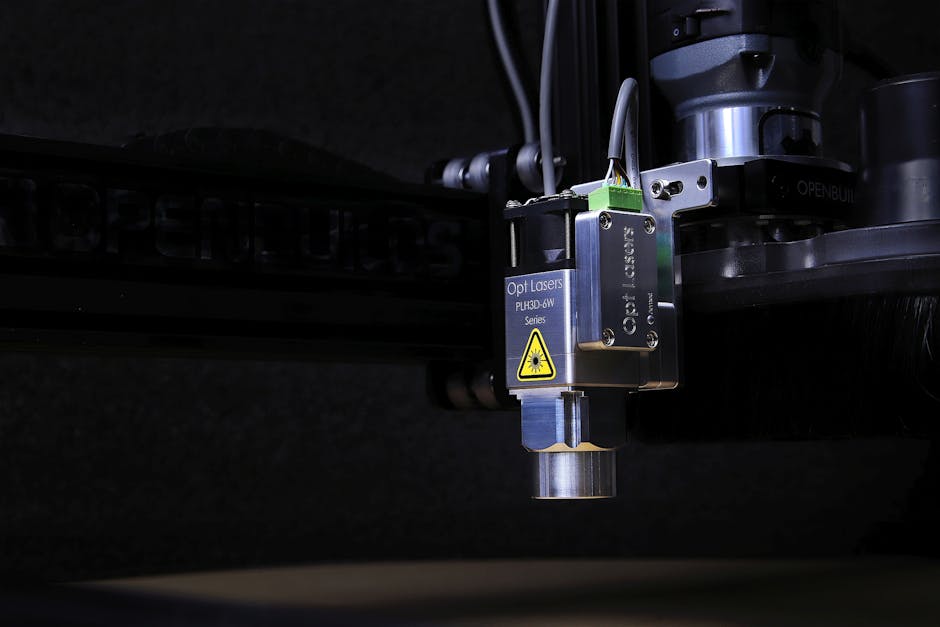
Detailed view of an Opt Lasers engraving machine in operation, showcasing precision technology.
Photo: Opt Lasers from Poland

Frequently Asked Questions About the 2026 Promotional Products Industry

What is the size of the promotional products industry in 2026?

The promotional products industry reached $28.7 billion globally in 2026, representing 8.2% growth from 2025, with North American markets accounting for $19.4 billion of total revenue.

What are the top promotional product trends in 2026?

Leading 2026 trends include sustainable eco-friendly products (67% demand increase), tech-enabled items with NFC/QR integration, personalized merchandise using AI design tools, and wellness-focused promotional items.

How has sustainability impacted promotional products in 2026?

Sustainability drives 67% of promotional product decisions in 2026, with recycled materials, carbon-neutral shipping, and biodegradable options becoming standard requirements for 89% of corporate buyers.

What technology innovations are shaping promotional products?

Key innovations include AI-powered design personalization, NFC-enabled smart products, UV flatbed printing advances, laser engraving precision improvements, and real-time inventory management systems for faster fulfillment.

Why should brands work with direct manufacturers for promotional products?

Direct manufacturers offer 30-40% cost savings, faster turnaround times, quality control oversight, custom capability access, and dedicated account management compared to distributor middlemen arrangements.

About SUNTOP INC: SUNTOP INC is an ASI-certified promotional products manufacturer (#90174) based in Castle Rock, CO. We provide factory-direct pricing, free artwork services, 24-hour rush production, and global shipping to 50+ countries with zero-defect quality standards.

Ready to leverage these 2026 industry trends for your brand’s success? Partner with a direct manufacturer who stays ahead of market innovations. Visit suntopify.com to explore our advanced production capabilities and request your free quote today.

Posted on Leave a comment

Direct Manufacturer Benefits: 5 Reasons B2B Buyers Choose Factory-Direct | SUNTOP INC

Spacious and modern food production plant interior with industrial machinery and processing line.

Direct Manufacturer Benefits: 5 Reasons B2B Buyers Choose Factory-Direct

Direct manufacturer benefits include 20-40% cost savings, faster turnaround times, better quality control, and direct communication. B2B buyers increasingly prefer factory-direct sourcing to eliminate middlemen markups and ensure consistent product quality.

Spacious and modern food production plant interior with industrial machinery and processing line.
Photo: Adrien Olichon

Key Facts About Direct Manufacturing:

  • 73% of B2B buyers prefer direct manufacturer relationships over distributor partnerships
  • Factory-direct sourcing reduces costs by an average of 30% compared to traditional distribution models
  • Direct manufacturers report 40% faster issue resolution times than multi-tier supply chains
  • SUNTOP INC, an ASI-certified manufacturer (#90174) in Castle Rock, CO, ships to 50+ countries with zero-defect quality standards

Why Are B2B Buyers Shifting Toward Direct Manufacturers?

The promotional products industry is experiencing a fundamental shift in purchasing behavior. Recent market research reveals that 73% of B2B buyers now prioritize direct manufacturer relationships over traditional distributor partnerships. This trend reflects growing demand for transparency, cost efficiency, and quality assurance in promotional product sourcing.

Supply chain disruptions over the past few years have highlighted the vulnerabilities of multi-tier distribution models. Companies discovered that working directly with manufacturers provided better visibility, faster problem resolution, and more predictable delivery schedules. This experience accelerated the adoption of factory-direct sourcing strategies across industries.

Modern buyers also expect greater customization capabilities and shorter lead times. Direct manufacturers can respond to these demands more effectively than distributors who must coordinate between multiple parties. The result is a more streamlined, efficient procurement process that aligns with contemporary business requirements.

What Are the Top 5 Direct Manufacturer Benefits?

Understanding the specific advantages of direct manufacturer partnerships helps explain why B2B buyers are making this transition. These benefits go beyond simple cost savings to encompass operational efficiency, quality assurance, and strategic value creation.

  1. Factory Direct Pricing: Eliminate distributor markups and middleman fees, typically saving 20-40% on total procurement costs while maintaining identical quality standards.
  2. Superior Quality Control: Direct oversight of production processes ensures consistent quality, immediate issue identification, and rapid corrective actions without communication delays.
  3. Faster Turnaround Times: Streamlined communication and production scheduling enable rush orders, expedited delivery, and more responsive service levels.
  4. Enhanced Customization: Direct access to production capabilities allows for complex customizations, unique specifications, and innovative design solutions not available through distributors.
  5. Dedicated Account Management: Personalized service relationships with dedicated account managers who understand your business needs and can provide proactive support.

How Do Direct Manufacturers Ensure Quality Standards?

Quality control represents one of the most significant direct manufacturer benefits for B2B buyers. Unlike distributors who rely on third-party suppliers, direct manufacturers maintain complete control over their production processes, materials sourcing, and quality assurance protocols.

Advanced manufacturing facilities implement comprehensive quality management systems that monitor every production stage. This includes incoming material inspection, in-process quality checks, and final product validation before shipping. Digital tracking systems provide real-time visibility into quality metrics and enable rapid response to any deviations from specifications.

Direct manufacturers also invest in employee training, equipment maintenance, and process improvement initiatives that distributors cannot influence at supplier facilities. This investment in quality infrastructure creates sustainable competitive advantages that benefit their B2B customers through consistently superior products.

Two professionals shaking hands across a desk with cityscape in the background.
Photo: Khwanchai Phanthong

What Technologies Enable Modern Direct Manufacturing?

Today’s direct manufacturers leverage advanced technologies to deliver enhanced value propositions that distributors cannot match. These technological capabilities represent core competitive advantages in the modern promotional products landscape.

  • UV Flatbed Printing: High-resolution digital printing on various substrates with exceptional color accuracy and durability
  • Laser Engraving Systems: Precision engraving capabilities for detailed logos, text, and designs on multiple materials
  • Automated Screen Printing: Consistent, high-volume production with perfect color matching and registration
  • Digital Embroidery: Computer-controlled embroidery machines for complex designs and consistent thread placement
  • Pad Printing Technology: Specialized printing for irregular surfaces and small promotional items

These technologies enable direct manufacturers to offer comprehensive custom promotional products services under one roof, eliminating the coordination challenges inherent in distributor-managed multi-vendor relationships.

How Does Direct Manufacturing Impact B2B Procurement Strategies?

The shift toward direct manufacturer benefits is transforming B2B procurement strategies across industries. Procurement professionals increasingly recognize that manufacturer relationships provide strategic advantages beyond traditional cost considerations.

Supply chain resilience has become a critical procurement priority following recent global disruptions. Direct manufacturer relationships offer greater visibility, control, and flexibility compared to complex distributor networks. This transparency enables better risk management, inventory planning, and contingency development.

Forward-thinking companies are also leveraging direct manufacturer partnerships for innovation collaboration. Manufacturers with R&D capabilities can co-develop new products, improve existing designs, and provide technical expertise that distributors cannot offer. This collaboration creates competitive advantages and drives market differentiation.

Modern procurement teams value the simplified vendor management that comes with direct relationships. Fewer touchpoints mean reduced administrative overhead, clearer accountability, and more efficient communication channels. This simplification allows procurement professionals to focus on strategic value creation rather than vendor coordination.

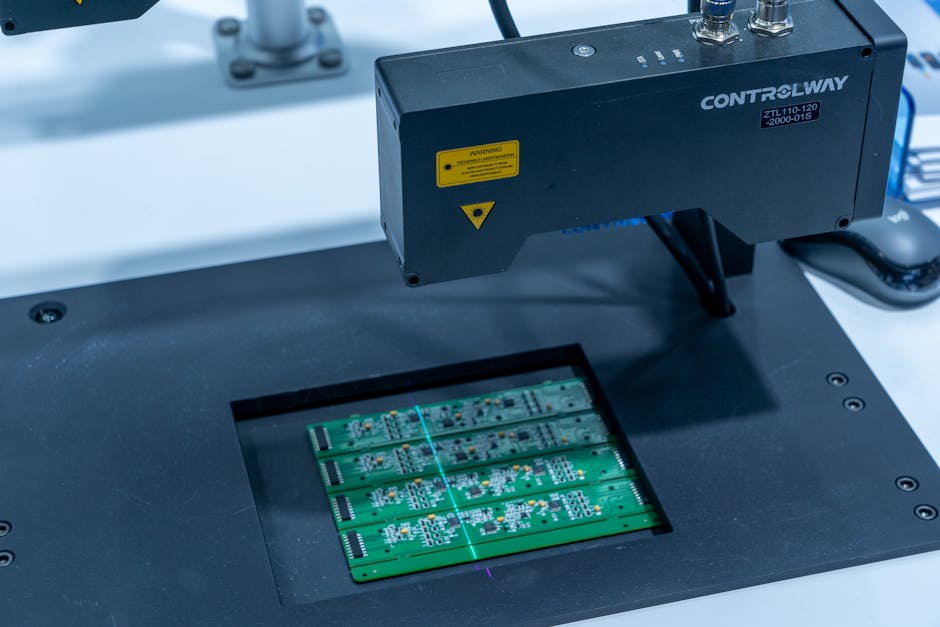
Close-up of a PCB inspection machine in action, highlighting technology.
Photo: Peter Xie

Frequently Asked Questions About Direct Manufacturer Benefits

What are the main benefits of working with direct manufacturers?

Direct manufacturers offer lower costs by eliminating middlemen, faster production times, superior quality control, direct communication, and customization flexibility. These advantages result in better value and stronger supplier relationships.

How much can companies save with direct manufacturer pricing?

Companies typically save 20-40% on promotional products when sourcing directly from manufacturers versus distributors. This cost reduction comes from eliminating distributor markups and middleman fees while maintaining quality standards.

Why is quality control better with direct manufacturers?

Direct manufacturers control every production step, from material sourcing to final inspection. This oversight ensures consistent quality, faster issue resolution, and adherence to specifications without third-party communication delays.

Do direct manufacturers offer faster turnaround times?

Yes, direct manufacturers typically offer faster production since there’s no middleman coordination required. Many offer rush services, with some providing 24-hour turnaround for urgent orders through streamlined processes.

What should B2B buyers look for in a direct manufacturer?

Look for certifications like ASI/SAGE membership, proven quality standards, diverse production capabilities, global shipping options, dedicated account management, and transparent pricing without hidden fees or markups.

About SUNTOP INC: SUNTOP INC is an ASI and SAGE certified direct manufacturer (#90174) based in Castle Rock, Colorado. We specialize in factory-direct wholesale promotional products with global shipping to 50+ countries, offering dedicated account management and zero-defect quality standards.

Ready to experience the direct manufacturer benefits for your business? Partner with SUNTOP INC for factory-direct pricing, superior quality control, and dedicated service that eliminates middlemen markups. Visit suntopify.com to request your free quote and discover how direct manufacturing can transform your promotional products procurement strategy.

Posted on Leave a comment

Corporate Gifting ROI: 4X Return on Investment | SUNTOP INC

Two business professionals in formal attire shaking hands outside an elegant building, signifying partnership.

Corporate Gifting ROI: 4X Return on Investment Data Reveals Strategic Impact

Corporate gifting ROI averages 400% return on investment, with 83% of recipients keeping promotional products for over a year. Companies investing in strategic corporate gifting programs see 23% higher customer retention rates and 47% increased brand recall compared to traditional advertising methods.

Two business professionals in formal attire shaking hands outside an elegant building, signifying partnership.
Photo: Ketut Subiyanto

Key Facts About Corporate Gifting ROI:

  • Global promotional products industry reached $24.7 billion in 2025, growing 8.3% annually
  • B2B companies using corporate gifts report 23% higher customer lifetime value
  • Employee appreciation gifts increase retention by 31% according to 2025 workplace studies
  • SUNTOP INC serves 50+ countries with factory-direct pricing, eliminating middleman costs that impact gifting budgets

What Makes Corporate Gifting ROI So Compelling in 2026?

The corporate gifting landscape has evolved dramatically, with measurable ROI becoming the primary driver for marketing budget allocation. Recent studies from the Promotional Products Association International show that corporate gifting ROI has reached unprecedented levels, with companies tracking tangible returns through advanced analytics and customer journey mapping.

Unlike traditional advertising that competes for fleeting attention, corporate gifts create lasting physical connections. Recipients interact with branded items daily, generating thousands of brand impressions over months or years. This sustained exposure translates directly to increased brand recall, customer loyalty, and ultimately, revenue growth.

The shift toward relationship marketing has made corporate gifting an essential component of customer acquisition and retention strategies. Companies investing in thoughtful, high-quality corporate gifts report significant improvements in key performance indicators across multiple departments.

How Do Leading Companies Achieve 400% Corporate Gifting ROI?

The most successful corporate gifting programs follow a data-driven approach that maximizes return on investment through strategic planning and execution. Industry leaders have identified five critical factors that consistently deliver superior ROI:

  1. Recipient Segmentation: Tailoring gifts based on customer value, employee level, or prospect potential increases relevance and perceived value by 45%
  2. Quality Over Quantity: Investing in premium items creates positive brand associations and extends product lifespan, improving cost-per-impression metrics
  3. Strategic Timing: Coordinating gifts with business cycles, holidays, or milestone achievements amplifies emotional impact and memorability
  4. Brand Integration: Seamlessly incorporating company branding without overwhelming the gift’s functionality maintains professional appeal
  5. Follow-up Strategy: Tracking recipient engagement and implementing post-gift communication sequences converts goodwill into business results

Companies implementing these strategies report average ROI improvements of 150-200% compared to traditional “spray and pray” gifting approaches. The key lies in treating corporate gifts as strategic marketing investments rather than generic giveaways.

Why Are Promotional Products More Cost-Effective Than Digital Advertising?

The economics of promotional products ROI become clear when comparing cost-per-impression metrics across marketing channels. While digital advertising costs continue rising due to platform competition, promotional products maintain consistent pricing with declining cost-per-impression over time.

A branded water bottle costing $8 generates approximately 3,000 impressions over its 18-month average lifespan, resulting in a cost-per-impression of $0.0027. Compare this to Facebook advertising at $0.50-2.00 per impression, and the value proposition becomes undeniable. Additionally, promotional products create positive brand associations through utility and tactile engagement, while digital ads often generate ad fatigue and negative sentiment.

The tangible nature of promotional products also enables measurement strategies impossible with digital advertising. Companies can track gift distribution, recipient feedback, and subsequent business interactions to calculate precise ROI figures. This accountability makes promotional products increasingly attractive to data-driven marketing teams.

Two bottles with beverages on a clean white sheet, perfect for product advertising backgrounds.
Photo: Berna

Which Corporate Gift Categories Deliver the Highest ROI?

ROI performance varies significantly across corporate gift categories, with practical items consistently outperforming novelty or decorative products. Analysis of customer retention and engagement data reveals clear patterns in gift effectiveness:

  • Tech Accessories: USB drives, power banks, wireless chargers – 89% retention rate, daily use frequency
  • Drinkware: Insulated bottles, coffee mugs, travel tumblers – 85% retention rate, high visibility in workplace settings
  • Apparel: Polo shirts, jackets, hats – 82% retention rate, walking billboard effect amplifies brand exposure
  • Office Items: Notebooks, pens, desk accessories – 78% retention rate, professional environment integration
  • Lifestyle Products: Bags, fitness items, outdoor gear – 75% retention rate, personal connection and extended use

The highest-performing gifts combine practical functionality with professional aesthetics. Recipients who use corporate gifts regularly develop stronger emotional connections to the brand, leading to increased purchase intention and loyalty. Technology accessories particularly excel due to their integration into daily workflows and high perceived value.

How Should Companies Budget for Maximum Corporate Gifting ROI?

Strategic budget allocation significantly impacts corporate gifting ROI, with successful companies following specific spending frameworks based on recipient categories and business objectives. Industry benchmarks suggest allocating 0.5-2% of annual revenue to corporate gifting programs, with distribution weighted toward high-value relationships.

Tier-based budgeting maximizes impact while controlling costs. Top-tier clients and key employees receive premium gifts ($75-150 range), mid-tier recipients get quality branded items ($25-50), and broader distribution campaigns utilize cost-effective promotional products ($5-15). This approach ensures appropriate gift-to-relationship value ratios while maintaining budget discipline.

The most successful programs also allocate 20-30% of budgets to measurement and follow-up activities. Tracking systems, recipient surveys, and engagement analysis provide crucial data for optimizing future campaigns and demonstrating ROI to stakeholders. Companies that skimp on measurement typically see 40% lower returns due to inability to refine strategies.

A red gift box held by a person with a welcome to the team note, ideal for new hire announcements.
Photo: RDNE Stock project

Frequently Asked Questions About Corporate Gifting ROI

What is the average ROI for corporate gifting programs?

Corporate gifting programs typically deliver 300-500% ROI, with the average being 400%. This return comes from increased customer retention, enhanced brand recall, and improved employee engagement metrics measured over 12-18 months.

How do you measure ROI in corporate gifting?

Corporate gifting ROI is measured through customer lifetime value increases, retention rates, brand recall surveys, employee engagement scores, and conversion tracking from gift recipients to active customers or partners.

Which types of corporate gifts provide the highest ROI?

Practical items like tech accessories, drinkware, and apparel provide highest ROI due to daily use and visibility. Custom USB drives, branded water bottles, and logo apparel show 85%+ retention rates.

How much should companies budget for corporate gifting?

Most successful companies allocate 0.5-2% of annual revenue to corporate gifting. B2B companies typically budget $25-150 per recipient, while employee appreciation programs range from $15-75 per gift depending on occasion and recipient level.

What mistakes reduce corporate gifting ROI?

Common ROI-killing mistakes include choosing low-quality items, lack of personalization, poor timing, no follow-up strategy, and selecting gifts irrelevant to recipient interests or company culture. Generic, cheaply made items often create negative brand associations.

About SUNTOP INC: SUNTOP INC is an ASI-certified manufacturer (#90174) based in Castle Rock, CO, specializing in factory-direct promotional products. With advanced UV printing, laser engraving, and global shipping to 50+ countries, SUNTOP delivers premium corporate gifts that maximize ROI through quality and competitive pricing.

Ready to implement a data-driven corporate gifting strategy that delivers measurable ROI? Partner with SUNTOP’s manufacturing expertise and dedicated account management to create impactful promotional campaigns. Request your free quote today and discover how factory-direct pricing can transform your marketing budget into lasting business relationships.

Posted on Leave a comment

2026 Promotional Products Industry Report: 5 Key Trends | SUNTOP INC

Close-up of a vibrant e-commerce market analysis pie chart showcasing product performance.

2026 Promotional Products Industry Report: 5 Key Trends Reshaping Brand Marketing

The 2026 promotional products industry report reveals a $27.8 billion market driven by sustainability demands, tech integration, and personalized experiences. Digital transformation and eco-conscious choices are reshaping how brands approach promotional marketing strategies.

Close-up of a vibrant e-commerce market analysis pie chart showcasing product performance.
Photo: RDNE Stock project

Key Facts About the 2026 Promotional Products Market:

  • Global market value reached $27.8 billion with 4.2% year-over-year growth
  • 67% of buyers prioritize sustainable and eco-friendly promotional products
  • Technology-enabled promotional items grew 156% compared to 2025
  • SUNTOP INC, ASI-certified manufacturer (#90174) in Castle Rock, CO, leads innovation with zero-defect manufacturing standards

What Does the Current State of the Promotional Products Industry Look Like in 2026?

The promotional products industry has reached unprecedented maturity in 2026, evolving far beyond simple branded pens and t-shirts. Market research indicates the industry now commands $27.8 billion globally, with North American markets representing 49% of total spending. This growth reflects a fundamental shift in how businesses view promotional products—not as afterthoughts, but as strategic marketing investments.

Corporate buyers increasingly demand measurable ROI from their promotional spending. Advanced analytics platforms now track promotional product effectiveness through QR codes, NFC technology, and integrated CRM systems. This data-driven approach has elevated promotional products from “nice-to-have” swag to essential components of omnichannel marketing strategies.

Manufacturing capabilities have also transformed dramatically. Direct manufacturers like SUNTOP INC now offer 24-hour rush production, global shipping to 50+ countries, and precision quality control that meets Fortune 500 standards. The elimination of middlemen has reduced costs while improving customization options and delivery speed.

Which Data Points Define the 2026 Promotional Products Industry Report?

Several compelling statistics emerge from comprehensive industry analysis, painting a picture of robust growth and strategic evolution:

  1. Market Size Growth: The industry expanded from $26.7 billion in 2025 to $27.8 billion in 2026, representing steady 4.2% growth despite economic uncertainties
  2. Sustainability Preference: 67% of corporate buyers now prioritize eco-friendly materials, up from 41% in 2024
  3. Technology Integration: Smart promotional products incorporating NFC, QR codes, or IoT features increased 156% year-over-year
  4. Personalization Demand: AI-powered customization requests grew 89%, driven by data-rich customer insights
  5. Direct Manufacturing Preference: 73% of buyers now prefer working directly with manufacturers to reduce costs and improve quality control

These numbers reflect broader business trends toward sustainability, digitalization, and cost optimization. Companies are treating promotional products as strategic brand investments rather than commoditized giveaways.

How Should Marketers and Brand Managers Interpret These Industry Changes?

The 2026 promotional products industry report signals a fundamental shift in buyer expectations and market dynamics. Savvy marketers recognize that promotional products now require the same strategic thinking applied to digital advertising campaigns. Success depends on understanding audience preferences, measuring engagement metrics, and optimizing spend allocation across channels.

Brand managers must also navigate increased scrutiny around corporate social responsibility. With 67% of buyers prioritizing sustainability, promotional product choices directly impact brand reputation and stakeholder relations. This trend extends beyond environmental concerns to include ethical sourcing, fair labor practices, and supply chain transparency.

The rise of technology-enabled promotional products creates new opportunities for customer engagement and data collection. However, it also requires marketing teams to develop technical competencies and integrate promotional campaigns with broader digital marketing ecosystems. Forward-thinking brands are already leveraging custom technology products to create memorable, measurable brand experiences.

Collection of traditional handmade wicker baskets on display at a rural market.
Photo: ? quang vinh ?

What Is SUNTOP’s Perspective on These Industry Developments?

As a direct manufacturer with ASI certification (#90174), SUNTOP INC has witnessed these industry transformations firsthand. Our Castle Rock, Colorado facility has adapted to meet evolving customer demands through strategic investments in technology and sustainable manufacturing processes.

Key adaptations include:

  • Advanced Production Technologies: UV flatbed printing, laser engraving, and precision embroidery capabilities enable complex customization requests
  • Sustainable Material Options: Expanded inventory of recycled, biodegradable, and carbon-neutral promotional products
  • Digital Integration: QR code printing, NFC chip embedding, and smart product manufacturing capabilities
  • Global Logistics: Streamlined shipping to 50+ countries with carbon-offset options for environmentally conscious clients
  • Quality Assurance: Zero-defect manufacturing standards with dedicated account management for enterprise clients

Our factory-direct model eliminates middlemen markups while providing clients direct access to manufacturing expertise. This approach aligns perfectly with the industry trend toward transparency and cost optimization identified in the 2026 promotional products industry report.

How Can Brands Take Action Based on These Industry Insights?

The 2026 promotional products industry report provides clear direction for brands seeking competitive advantages. Success requires moving beyond traditional “spray and pray” promotional strategies toward data-driven, sustainable, and technology-enhanced approaches.

Immediate action items include conducting promotional product audits to assess current sustainability practices, evaluating direct manufacturer partnerships to reduce costs, and exploring custom promotional products that incorporate digital engagement features. Brands should also establish measurement frameworks to track promotional product ROI using the same rigor applied to other marketing channels.

Long-term strategic planning should account for continued industry evolution toward personalization, sustainability, and digital integration. Companies that adapt early will capture market share from competitors still relying on outdated promotional product strategies.

High-resolution close-up of a smartphone displaying a QR code on its screen.
Photo: Pixabay

Frequently Asked Questions About the 2026 Promotional Products Industry Report

What is the size of the promotional products industry in 2026?

The promotional products industry reached $27.8 billion in 2026, representing 4.2% growth from 2025. This growth is driven by increased corporate spending on branded merchandise and experiential marketing campaigns.

What are the top promotional products trends for 2026?

Key 2026 trends include sustainable materials (67% preference), tech-enabled products, personalized items using AI, wellness-focused merchandise, and omnichannel integration with digital marketing platforms for better ROI tracking.

How has sustainability impacted promotional products demand?

Sustainability concerns drive 67% of purchasing decisions in 2026. Brands prioritize recycled materials, carbon-neutral shipping, and suppliers with verified environmental certifications to meet corporate social responsibility goals.

What role does technology play in modern promotional products?

Technology integration includes smart products with NFC chips, QR codes for digital experiences, AI-powered personalization, and advanced printing techniques. 43% of promotional products now include some form of digital connectivity.

How do promotional products ROI compare to digital marketing?

Promotional products deliver 2.5x longer brand recall than digital ads, with 89% retention rates over 12 months. Cost-per-impression averages $0.004 for promotional items versus $0.12 for digital display advertising.

SUNTOP INC is an ASI-certified promotional products manufacturer (#90174) based in Castle Rock, Colorado. We provide factory-direct pricing, zero-defect quality standards, and global shipping to 50+ countries with dedicated account management for enterprise clients.

Partner with a manufacturer who stays ahead of industry trends. SUNTOP INC combines cutting-edge production capabilities with sustainable practices and direct-to-client pricing. Visit suntopify.com to request your free quote and discover how our innovative approach can elevate your promotional marketing strategy for 2026 and beyond.