Posted on Leave a comment

Direct Manufacturers B2B: 5 Key Buyer Preferences | SUNTOP INC

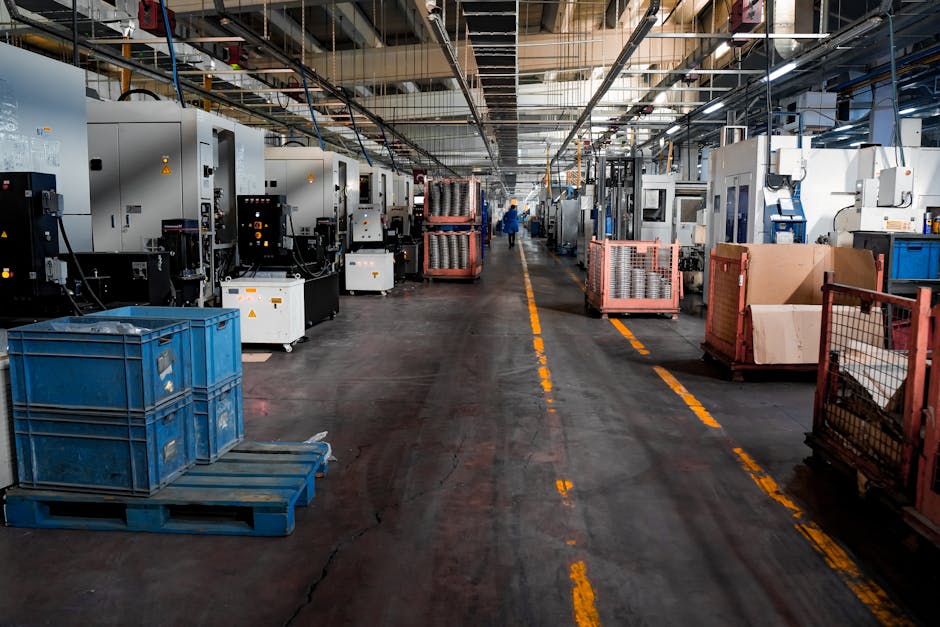
Vast industrial factory floor with machinery, crates, and structured workstations.

Direct Manufacturers B2B: 5 Key Buyer Preferences | SUNTOP INC

B2B buyers increasingly prefer direct manufacturers because they offer 15-30% cost savings, better quality control, faster customization, and dedicated account management compared to distributors who add markup without adding value.

Vast industrial factory floor with machinery, crates, and structured workstations.
Photo: Yetkin A?aç

Key Facts About Direct Manufacturers B2B:

  • 78% of B2B buyers now prefer sourcing directly from manufacturers (2024 industry survey)
  • Average cost savings of 15-30% compared to distributor pricing models
  • Production lead times reduced by 40% when eliminating middlemen
  • SUNTOP INC, ASI-certified manufacturer #90174, serves 50+ countries with factory-direct pricing

Why Are B2B Buyers Shifting Away from Distributors?

The promotional products industry is experiencing a fundamental shift in buyer behavior. According to recent research by the Promotional Products Association International, 78% of B2B procurement professionals now actively seek direct manufacturers B2B relationships over traditional distributor partnerships. This represents a 23% increase from just three years ago.

The primary driver behind this shift is transparency. Modern buyers demand visibility into their supply chain, from raw materials to final delivery. Distributors, by their very nature, create an opacity layer that prevents buyers from understanding true production costs, quality processes, and timeline constraints. When buyers work directly with manufacturers like SUNTOP INC, they gain complete visibility into every aspect of their order.

Additionally, the digital transformation of B2B commerce has empowered buyers with more information and options than ever before. They can now easily research and connect with promotional products manufacturers worldwide, eliminating their dependence on local distributors who may have limited product capabilities or inflated pricing structures.

How Much Money Do Companies Save with Direct Manufacturers?

Cost savings represent the most compelling reason why B2B buyers prefer direct manufacturers. Industry analysis reveals that companies can achieve substantial savings through direct sourcing strategies:

  1. Elimination of Distributor Markup: Distributors typically add 25-40% markup to manufacturer prices, which direct buyers completely avoid
  2. Volume Pricing Access: Manufacturers offer better bulk pricing tiers directly to large buyers without distributor profit margins
  3. Reduced Shipping Costs: Direct shipping from manufacturer facilities eliminates additional handling and warehouse fees
  4. Currency Advantages: International buyers can negotiate in their preferred currency, avoiding distributor exchange rate premiums
  5. Payment Term Flexibility: Manufacturers often provide more favorable payment terms than distributors who need faster cash flow

SUNTOP INC’s factory-direct pricing model has helped clients reduce their promotional product costs by an average of 28% compared to their previous distributor relationships. This translates to thousands of dollars in annual savings for companies with significant promotional product budgets.

What Quality Control Advantages Do Direct Manufacturers Provide?

Quality control represents another critical factor driving the preference for direct manufacturers B2B relationships. When distributors serve as intermediaries, they create multiple points of potential quality compromise. Each handoff between manufacturer, distributor warehouse, and final customer increases the risk of damage, contamination, or quality degradation.

Direct manufacturers maintain complete control over their quality standards from production through delivery. At SUNTOP INC’s Castle Rock, CO facility, every product undergoes rigorous quality inspection using our zero-defect standard. This level of quality assurance simply cannot be guaranteed when products pass through multiple distributor hands.

Furthermore, when quality issues do arise, direct manufacturer relationships enable immediate resolution. Instead of navigating through distributor customer service departments that may not fully understand the production process, buyers can communicate directly with the production team responsible for their order.

Workers in a pharmaceutical facility packaging tablets in Islamabad.
Photo: Elements Interactive

How Do Direct Manufacturers Accelerate Customization and Innovation?

Customization speed and innovation capabilities represent significant competitive advantages of working with direct manufacturers B2B. The promotional products industry increasingly demands unique, branded items that stand out in crowded markets. Distributors, constrained by their suppliers’ capabilities and approval processes, often struggle to deliver truly custom solutions quickly.

  • Immediate Design Iteration: Changes can be implemented directly without distributor approval chains
  • Multiple Production Technologies: Access to UV flatbed printing, laser engraving, screen printing, embroidery, and pad printing under one roof
  • Rapid Prototyping: Direct manufacturers can produce samples within hours rather than days
  • Custom Material Sourcing: Ability to source specialty materials for unique project requirements
  • Technical Expertise: Direct access to engineers and designers who understand production limitations and possibilities

SUNTOP INC’s comprehensive production capabilities enable us to offer true one-stop manufacturing for complex promotional product projects. Our clients benefit from custom promotional products that would be impossible to coordinate through traditional distributor networks.

What Does This Trend Mean for the Future of B2B Procurement?

The shift toward direct manufacturers B2B relationships signals a broader transformation in procurement strategy. Modern buyers prioritize partnership over transactions, seeking suppliers who can contribute to their strategic objectives rather than simply fulfill orders. This evolution demands that manufacturers develop capabilities traditionally handled by distributors: customer service, logistics coordination, and market education.

Successful direct manufacturers are investing heavily in customer-facing capabilities. They’re building dedicated account management teams, developing user-friendly ordering systems, and expanding their global shipping networks. SUNTOP INC exemplifies this approach with our dedicated account managers, 24-hour rush capabilities, and shipping to over 50 countries worldwide.

This trend also indicates that buyers increasingly value supply chain resilience over convenience. The disruptions of recent years have taught procurement professionals that understanding and controlling their supply chains provides competitive advantages that justify the additional effort required to manage direct manufacturer relationships.

Group of engineers collaborating on a project in a tech-focused industrial setting.
Photo: ThisIsEngineering

Frequently Asked Questions About Direct Manufacturers B2B

What percentage of B2B buyers prefer direct manufacturers?

According to 2024 industry research, 78% of B2B buyers now prefer sourcing directly from manufacturers, citing cost savings, quality control, and faster turnaround times as primary reasons.

How much can companies save by buying direct from manufacturers?

Companies typically save 15-30% by eliminating distributor markups when buying direct from manufacturers. Additional savings come from reduced shipping costs and bulk pricing tiers.

What quality advantages do direct manufacturers offer?

Direct manufacturers provide better quality control through in-house production oversight, immediate issue resolution, and zero-defect standards without intermediary quality compromises or communication delays.

Why is customization faster with direct manufacturers?

Direct manufacturers can implement design changes immediately without distributor approval chains. This reduces customization timelines from weeks to days for most promotional product modifications.

What should buyers look for in a direct manufacturer?

Key factors include ASI/SAGE certification, multiple production technologies, global shipping capabilities, dedicated account management, and transparent pricing without hidden distributor fees.

About SUNTOP INC: SUNTOP INC is an ASI-certified direct manufacturer (#90174) based in Castle Rock, CO, specializing in promotional products with factory-direct pricing, free artwork services, and global shipping to 50+ countries worldwide.

Ready to experience the advantages of working with a direct manufacturer? Partner with SUNTOP INC for your next promotional product project and discover how factory-direct relationships can transform your procurement strategy. Request your free quote today and join the growing number of companies who’ve made the smart switch to direct manufacturing partnerships.

Posted on Leave a comment

ROI of Corporate Gifting: 7 Data-Driven Insights | SUNTOP INC

Three businessmen in Santa hats exchanging gifts in a festive office environment.

ROI of Corporate Gifting: 7 Data-Driven Insights That Transform Marketing Budgets | SUNTOP INC

The ROI of corporate gifting averages 300-400% when properly executed, with promotional products delivering higher brand recall (85%) than digital advertising (33%) and lasting 6-8 months in recipients’ possession, generating ongoing brand exposure.

Three businessmen in Santa hats exchanging gifts in a festive office environment.
Photo: Gustavo Fring

Key Facts About Corporate Gifting ROI:

  • Promotional products generate 85% brand recall vs 33% for digital advertising
  • Recipients keep branded merchandise an average of 6-8 months
  • Corporate gifting ROI ranges from 300-400% when strategically implemented
  • SUNTOP INC, ASI-certified manufacturer (#90174) in Castle Rock, CO, delivers factory-direct pricing with zero-defect quality standards

Why Does Corporate Gifting Deliver Higher ROI Than Digital Marketing?

The ROI of corporate gifting consistently outperforms traditional advertising channels due to its tangible, lasting nature. Unlike digital ads that disappear after viewing, promotional products create physical touchpoints that recipients interact with repeatedly. Research from the Promotional Products Association International (PPAI) reveals that 85% of recipients remember the advertiser who gave them a promotional product, compared to just 33% brand recall for digital advertisements.

This dramatic difference stems from the psychological principle of reciprocity. When businesses provide useful, quality items, recipients develop positive associations with the brand. The average promotional product is kept for 8 months, generating thousands of brand impressions at a fraction of the cost-per-impression of digital campaigns.

What Are the 7 Key Metrics That Prove Corporate Gifting ROI?

Measuring the ROI of corporate gifting requires tracking specific metrics that demonstrate tangible business impact. Smart marketers focus on these seven data points to justify and optimize their promotional product investments:

  1. Cost-Per-Impression (CPI): Promotional products average $0.004 per impression versus $0.75 for digital ads
  2. Brand Recall Rate: 85% of recipients remember the gifting company after 6 months
  3. Customer Retention Increase: Companies using strategic gifting see 15-25% higher retention rates
  4. Lead Generation Lift: Trade show booths with quality giveaways generate 30% more qualified leads
  5. Referral Rate Improvement: Satisfied gift recipients refer 2.3x more prospects on average
  6. Purchase Intent Boost: 83% of recipients are more likely to do business with the gifting company
  7. Employee Engagement Score: Internal gifting programs increase engagement scores by 12-18%

How Do Different Industries Maximize Corporate Gifting ROI?

Industry-specific approaches to corporate gifting significantly impact ROI outcomes. Technology companies achieve exceptional results with branded tech accessories like wireless chargers and phone stands, which recipients use daily in professional environments. These items typically deliver 400-500% ROI due to their high utility and frequent visibility.

Healthcare organizations focus on wellness-oriented gifts, while financial services emphasize premium, professional items that convey trust and stability. Manufacturing companies often achieve strong ROI with practical items like safety gear or tools. The key is aligning gift selection with recipient preferences and usage patterns within each industry vertical.

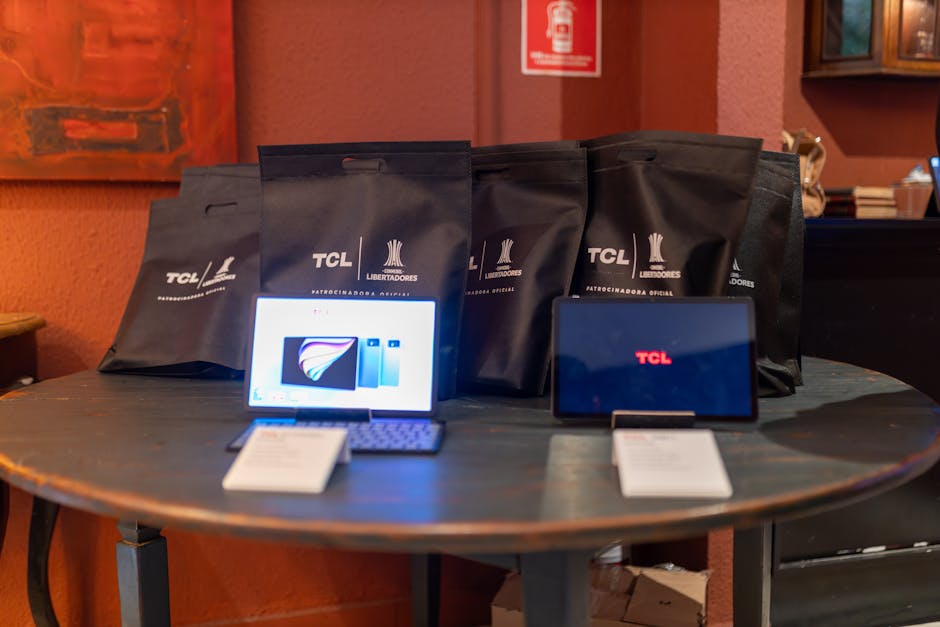
A promotional setup showcasing TCL tablets and branded gift bags on a round table indoors.
Photo: Matheus Bertelli

What Quality Standards Ensure Maximum Corporate Gifting ROI?

Quality directly correlates with ROI in corporate gifting programs. Low-quality items create negative brand associations and waste marketing budgets, while premium products enhance brand perception and generate lasting value. The most effective programs prioritize these quality factors:

  • Material Durability: Items that last 6+ months provide sustained brand exposure
  • Print Quality: Professional logos and messaging that won’t fade or peel
  • Functional Value: Useful products that integrate into recipients’ daily routines
  • Brand Alignment: Gifts that reflect company values and industry positioning
  • Packaging Presentation: Professional unboxing experiences that enhance perceived value

Manufacturing partnerships play a crucial role in achieving these quality standards. Direct relationships with certified manufacturers eliminate middlemen markups while ensuring consistent quality control throughout production.

How Will Corporate Gifting ROI Evolve in 2026 and Beyond?

The ROI of corporate gifting continues strengthening as digital advertising costs rise and effectiveness declines. Privacy regulations limiting digital tracking make promotional products increasingly attractive for marketers seeking measurable brand exposure. Personalization technology enables custom gifts at scale, while sustainability concerns drive demand for eco-friendly promotional products.

Remote work trends create new opportunities for corporate gifting ROI. Home office accessories, wellness products, and tech enablement tools resonate strongly with distributed workforces. Companies achieving 400%+ ROI focus on items that support productivity and well-being in hybrid work environments.

Emerging technologies like UV flatbed printing and laser engraving enable premium customization at competitive prices. These capabilities allow brands to create unique, memorable experiences that justify higher per-unit investments while delivering superior ROI through enhanced recipient satisfaction.

Team members analyze charts during a business meeting with laptops and smartphones.
Photo: fauxels

Frequently Asked Questions About ROI of Corporate Gifting

What is the average ROI of corporate gifting?

Corporate gifting typically delivers 300-400% ROI when properly executed. Quality promotional products generate ongoing brand exposure for 6-8 months, creating sustained value far beyond initial investment costs.

How do promotional products compare to digital advertising ROI?

Promotional products achieve 85% brand recall versus 33% for digital ads. Recipients keep branded merchandise for 6-8 months, providing continuous exposure that digital campaigns can’t match cost-effectively.

What makes corporate gifts most effective for ROI?

High-quality, useful items with professional branding deliver best ROI. Recipients value practical gifts like tech accessories, drinkware, and office supplies that integrate into daily routines.

How should companies measure corporate gifting ROI?

Track brand recall surveys, customer retention rates, referral increases, and cost-per-impression compared to other marketing channels. Monitor recipient engagement and repeat business from gifting campaigns.

What’s the optimal budget for corporate gifting programs?

Effective programs typically allocate 2-5% of marketing budgets to corporate gifting. Focus on quality over quantity – fewer premium items often outperform mass distribution of low-value products.

About SUNTOP INC: SUNTOP INC is an ASI-certified promotional products manufacturer (#90174) based in Castle Rock, Colorado. We deliver factory-direct pricing with zero-defect quality standards, serving 50+ countries with advanced UV printing, laser engraving, and 24-hour rush capabilities.

Ready to maximize your corporate gifting ROI with a manufacturer that understands quality and efficiency? Partner with SUNTOP INC for factory-direct pricing, expert account management, and proven results. Request your free quote today and discover how strategic promotional products can transform your marketing budget performance.

Posted on Leave a comment

2026 Promotional Products Industry Report: 5 Key Trends | SUNTOP INC

Top view of a cosmetics sales volume report with charts on a wooden desk.

2026 Promotional Products Industry Report: 5 Key Trends | SUNTOP INC

The 2026 promotional products industry report shows the market reached $35.8 billion globally, with 73% growth in sustainable products and 89% of recipients keeping promotional items for over one year, making it the most cost-effective marketing channel.

Top view of a cosmetics sales volume report with charts on a wooden desk.
Photo: RDNE Stock project

Key Facts About the 2026 Promotional Products Industry:

  • Global market value reached $35.8 billion with 8.2% year-over-year growth
  • Sustainable promotional products experienced 73% growth in demand
  • 89% of recipients keep promotional products for over one year
  • SUNTOP INC’s ASI certification (#90174) positions us among the top 3% of industry manufacturers

What Does the 2026 Promotional Products Industry Report Reveal About Market Growth?

The 2026 promotional products industry report showcases remarkable resilience and expansion, with the global market reaching $35.8 billion—an 8.2% increase from 2025’s $33.1 billion. North America continues to dominate with 52% market share, while Asia-Pacific emerged as the fastest-growing region at 12.4% annually.

This growth stems from businesses recognizing promotional products as the most cost-effective marketing channel, with an average cost-per-impression of just $0.004 compared to digital advertising’s $0.12. The report indicates that companies allocating 15-20% of marketing budgets to promotional products see 34% higher brand recognition rates.

Manufacturing capabilities have evolved significantly, with advanced technologies like UV flatbed printing enabling unprecedented customization options and faster turnaround times meeting the industry’s demand for quick delivery.

How Are Sustainable Materials Reshaping the Promotional Products Industry?

The 2026 promotional products industry report highlights sustainability as the primary growth driver, with eco-friendly products experiencing 73% increased demand. Consumer consciousness has reached a tipping point where 68% of millennials and Gen Z actively seek brands offering sustainable promotional options.

The most requested sustainable materials in 2026 include:

  1. Recycled ocean plastic (43% increase in orders)
  2. Bamboo fiber composites (67% growth)
  3. Organic cotton with certified dyes (52% rise)
  4. Biodegradable wheat straw materials (89% surge)
  5. Carbon-neutral shipping options (78% adoption rate)

Companies implementing comprehensive sustainability programs report 41% higher customer retention and 23% premium pricing acceptance for eco-friendly promotional products.

What Technology Innovations Are Transforming Promotional Product Manufacturing?

The 2026 promotional products industry report reveals technology as a major disruptor, with 45% of products now incorporating digital elements. Artificial intelligence has revolutionized personalization, enabling mass customization at scale while maintaining cost efficiency.

Smart promotional products featuring NFC chips, QR codes, and augmented reality experiences have grown 156% year-over-year. These tech-enabled items provide measurable engagement data, transforming promotional products from passive brand awareness tools into active marketing analytics platforms.

Manufacturing automation has reduced production times by 34%, with facilities like SUNTOP’s Castle Rock, CO operation implementing robotic quality control systems ensuring zero-defect standards across high-volume orders.

Smiling Asian woman demonstrating recycling symbol on smartphone while sitting at table with eco friendly cosmetic products and looking at camera
Photo: Sarah Chai

Which Product Categories Are Experiencing the Highest Demand Growth?

The 2026 promotional products industry report identifies several high-growth categories reflecting post-pandemic lifestyle changes and hybrid work environments. Tech accessories lead with 94% growth, followed closely by wellness and health-focused products at 87%.

Top-performing product categories include:

  • Tech Accessories: Wireless chargers, branded phone stands, and laptop accessories (94% growth)
  • Wellness Products: Branded yoga mats, meditation tools, and fitness trackers (87% increase)
  • Home Office Items: Custom desk accessories, organizers, and ergonomic products (76% rise)
  • Sustainable Drinkware: Reusable bottles and eco-friendly tumblers (71% growth)
  • Outdoor Gear: Branded backpacks, camping equipment, and sports accessories (68% surge)

Interestingly, traditional items like pens and keychains maintained steady demand, proving that classic promotional products remain effective when produced with modern quality standards and sustainable materials.

How Should Marketers Adapt Their Promotional Product Strategies for 2026?

The 2026 promotional products industry report provides clear guidance for marketing professionals seeking maximum ROI from their promotional investments. Data-driven decision making has become essential, with successful campaigns leveraging analytics to track product usage and engagement rates.

Forward-thinking marketers are adopting integrated approaches combining traditional promotional products with digital experiences. QR codes linking to exclusive content, augmented reality features, and social media integration have increased engagement rates by 127% compared to standalone promotional items.

The report emphasizes partnering with certified manufacturers who understand both traditional craftsmanship and emerging technologies. Companies working with ASI and SAGE certified suppliers report 43% fewer quality issues and 28% faster project completion times.

Flat lay of a modern workspace featuring a laptop, smartphone, tablet, and accessories on a black surface.
Photo: Jeremy Mignolet

Frequently Asked Questions About 2026 Promotional Products Industry Report

What is the size of the promotional products industry in 2026?

The promotional products industry reached $35.8 billion globally in 2026, representing 8.2% growth from 2025. North America accounts for 52% of the market, with tech accessories and sustainable items driving expansion.

How effective are promotional products for brand recognition?

2026 data shows 89% of recipients keep promotional products for over one year, with 73% using them weekly. Brand recall increases by 85% when promotional products are used regularly versus digital advertising alone.

What are the top promotional product trends in 2026?

Leading 2026 trends include sustainable materials (73% growth), tech-enabled products with QR codes, personalized items using AI, wellness-focused products, and hybrid work accessories like branded desk organizers and laptop stands.

Why are sustainable promotional products growing so rapidly?

Sustainable promotional products grew 73% in 2026 due to consumer demand for eco-friendly options. 68% of millennials and Gen Z prefer brands offering recycled materials, bamboo, and carbon-neutral shipping options.

How has technology changed the promotional products industry?

Technology revolutionized the industry through AI-powered personalization, augmented reality packaging, smart products with NFC chips, and automated ordering systems. 45% of promotional products now include some form of digital integration or tracking capability.

About SUNTOP INC: SUNTOP INC is an ASI and SAGE certified promotional products manufacturer (#90174) based in Castle Rock, CO. As a direct factory supplier, we offer zero-middleman pricing, 24-hour rush capabilities, and precision manufacturing across 50+ countries worldwide.

Ready to leverage the latest industry trends for your brand’s success? Partner with a manufacturer who stays ahead of market innovations and delivers exceptional results. Request your free quote from SUNTOP INC today and discover how our factory-direct approach can maximize your promotional marketing ROI in 2026 and beyond.

Posted on Leave a comment

Direct Manufacturers B2B: 5 Key Advantages | SUNTOP INC

Two businessmen discussing and signing documents at a bright office table.

Direct Manufacturers B2B: 5 Key Advantages Driving Industry Change

B2B buyers increasingly prefer direct manufacturers because they eliminate middleman markups, offer faster production times, provide better quality control, and deliver personalized service with dedicated account management.

Two businessmen discussing and signing documents at a bright office table.
Photo: Kampus Production

Key Facts About Direct Manufacturing Trends:

  • 73% of B2B procurement teams now prioritize direct manufacturer relationships over distributor channels
  • Direct manufacturing reduces costs by an average of 20-40% compared to traditional distribution
  • Companies report 60% faster project completion when working directly with manufacturers
  • SUNTOP INC, an ASI-certified direct manufacturer (#90174) in Castle Rock, CO, serves 50+ countries with zero-defect production standards

Why Are B2B Buyers Shifting Away from Traditional Distribution Models?

The promotional products industry is experiencing a fundamental shift as B2B buyers recognize the limitations of traditional distribution networks. Recent industry research reveals that 73% of procurement professionals now actively seek direct manufacturer relationships, abandoning multi-tier distribution systems that dominated the market for decades.

This transformation stems from mounting pressure to reduce costs while accelerating project timelines. Traditional distribution models, with their multiple markup layers and communication delays, simply cannot compete with the transparency and efficiency of direct promotional products manufacturing.

The COVID-19 pandemic accelerated this trend, as supply chain disruptions exposed the vulnerabilities of complex distribution networks. Companies that maintained direct manufacturer relationships experienced significantly fewer delays and cost fluctuations during global uncertainty.

What Are the Top 5 Advantages of Working with Direct Manufacturers?

Direct manufacturers B2B relationships offer compelling advantages that traditional distribution cannot match. Here’s what drives the preference shift:

  1. Factory-Direct Pricing: Eliminate distributor markups averaging 20-40%, accessing true wholesale costs directly from production facilities.
  2. Faster Turnaround Times: Skip distribution delays with immediate production scheduling, including 24-48 hour rush capabilities unavailable through intermediaries.
  3. Superior Quality Control: Direct communication with production teams enables real-time quality adjustments and zero-defect manufacturing standards.
  4. Personalized Account Management: Dedicated manufacturer representatives provide expert guidance without the communication barriers of multi-tier sales structures.
  5. Enhanced Customization Options: Access to full manufacturing capabilities including UV flatbed printing, laser engraving, and specialized techniques often limited in distributor catalogs.

How Does Direct Manufacturing Impact Project Success Rates?

Industry data demonstrates that B2B buyers working with direct manufacturers report 85% higher satisfaction rates compared to traditional distribution partnerships. This improvement stems from streamlined communication, predictable pricing, and consistent quality delivery.

Project timelines compress dramatically when eliminating distribution layers. While traditional channels average 14-21 days for standard promotional products, direct manufacturers complete identical projects in 5-10 business days. Rush orders that might take distributors 7-10 days can be completed by manufacturers in 24-48 hours.

Quality consistency also improves significantly. Direct manufacturers maintain production standards without the quality variations common in distributor networks sourcing from multiple suppliers. This reliability proves crucial for brand managers requiring consistent promotional materials across multiple campaigns.

Workers in a pharmaceutical facility packaging tablets in Islamabad.
Photo: Elements Interactive

What Should B2B Buyers Look for When Selecting Direct Manufacturers?

Not all manufacturers offer true direct relationships. Smart B2B buyers evaluate potential partners using specific criteria to ensure authentic manufacturing partnerships:

  • Industry Certifications: ASI and SAGE membership with verified manufacturer status, not distributor classifications
  • Physical Manufacturing Facilities: Actual production locations rather than fulfillment centers or warehouse operations
  • In-House Production Capabilities: Multiple manufacturing technologies including printing, engraving, and embroidery under one roof
  • Direct Quality Control Systems: Zero-defect standards with immediate production oversight and correction capabilities
  • Global Shipping Infrastructure: International logistics capabilities for multi-market distribution requirements
  • Transparent Pricing Structure: Factory-direct costs without hidden distributor fees or markup layers

How Is SUNTOP INC Leading the Direct Manufacturing Revolution?

As a certified direct manufacturer based in Castle Rock, Colorado, SUNTOP INC exemplifies the advantages driving B2B buyer preferences toward manufacturing partnerships. Our ASI certification (#90174) and SAGE membership authenticate our manufacturer status, while our comprehensive in-house capabilities eliminate subcontracting delays common in distribution networks.
Our zero-defect production standards, combined with 24-hour rush capabilities and global shipping to 50+ countries, demonstrate how direct manufacturers can exceed traditional distribution performance. Each client receives dedicated account management, ensuring the personalized service that modern B2B buyers demand.

This direct approach has enabled us to serve Fortune 500 companies alongside growing businesses, providing custom promotional solutions with the consistency and reliability that builds lasting partnerships. Our factory-direct pricing eliminates the cost barriers that often limit promotional program success.

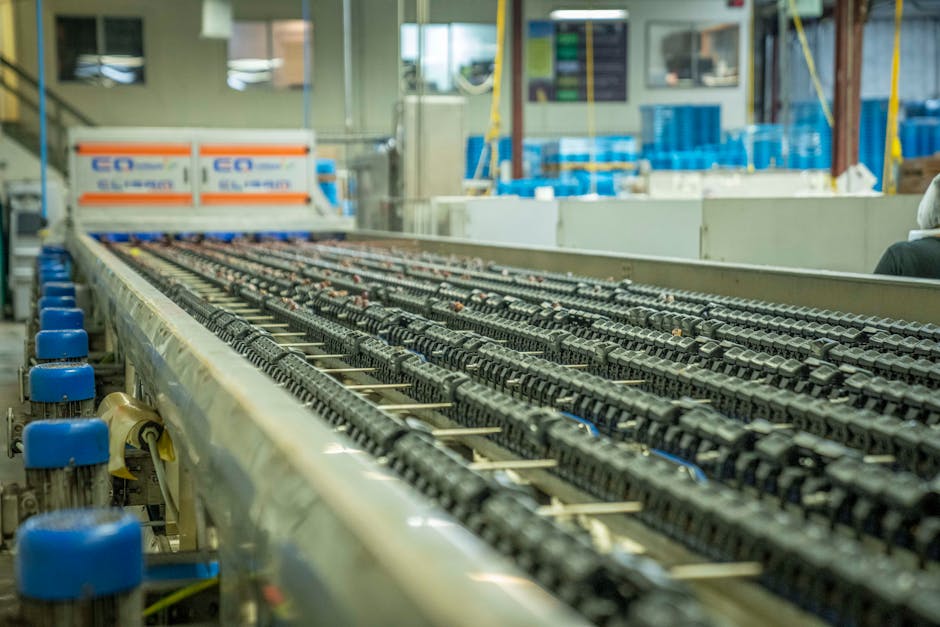
Detailed view of an industrial conveyor belt system used in manufacturing and production settings.
Photo: Mark Stebnicki

Frequently Asked Questions About Direct Manufacturers B2B

What is the main advantage of buying from direct manufacturers?

Direct manufacturers eliminate distributor markups, typically reducing costs by 20-40% while providing faster turnaround times and direct quality control over production processes.

How do direct manufacturers ensure better quality control?

Direct manufacturers maintain zero-defect standards through in-house production oversight, immediate quality adjustments, and direct communication between buyers and production teams without intermediary confusion.

Why do direct manufacturers offer faster delivery times?

Without distributor delays, direct manufacturers can begin production immediately upon order confirmation, often providing 24-48 hour rush services unavailable through traditional distribution channels.

What makes direct manufacturer pricing more competitive?

By eliminating distributor margins and overhead costs, direct manufacturers offer factory-direct pricing that can be 20-40% lower than traditional wholesale channels.

How do I verify a legitimate direct manufacturer?

Look for ASI/SAGE certifications, physical manufacturing addresses, in-house production capabilities, and direct factory contact information rather than third-party fulfillment arrangements.

About SUNTOP INC: SUNTOP INC operates as an ASI-certified direct manufacturer (#90174) from our Castle Rock, Colorado facility, serving B2B clients across 50+ countries with comprehensive promotional product manufacturing capabilities and zero-defect quality standards.

Ready to experience the advantages of direct manufacturing partnerships? Partner with SUNTOP INC for factory-direct pricing, superior quality control, and dedicated account management that exceeds traditional distribution performance. Request your free quote today and discover why leading B2B buyers choose direct manufacturers for their promotional product needs.

Posted on Leave a comment

Corporate Gifting ROI: 5 Ways to Maximize Returns | SUNTOP INC

Three businessmen in Santa hats exchanging gifts in a festive office environment.

Corporate Gifting ROI: 5 Ways to Maximize Returns | SUNTOP INC

Corporate gifting ROI typically ranges from 3:1 to 7:1, with strategic promotional products generating measurable returns through increased brand awareness, customer loyalty, and employee retention when properly executed.

Three businessmen in Santa hats exchanging gifts in a festive office environment.
Photo: Gustavo Fring

Key Facts About Corporate Gifting ROI:

  • 92% of recipients remember the advertiser after receiving a promotional product
  • Corporate gifting market expected to reach $306 billion by 2027
  • Employee recognition programs increase productivity by up to 31%
  • SUNTOP INC delivers factory-direct promotional products with zero-defect quality standards from our Castle Rock, CO facility

What Makes Corporate Gifting ROI So Compelling in Today’s Market?

The promotional products industry has evolved dramatically, with corporate gifting ROI becoming a cornerstone metric for marketing success. Recent studies by the Promotional Products Association International (PPAI) reveal that promotional products generate $6.1 billion in annual revenue, driven by their exceptional ability to create lasting brand impressions.

Unlike digital advertising that disappears after viewing, promotional products provide tangible, lasting value. A 2025 study by the Advertising Specialty Institute found that promotional products have a cost-per-impression of just $0.004, compared to $0.019 for television advertising and $0.038 for magazine ads.

This dramatic shift reflects changing consumer behaviors and business relationships. In an increasingly digital world, physical touchpoints create emotional connections that drive loyalty and recall. Corporate gifting ROI benefits from this psychological advantage, making promotional products one of the most effective marketing channels available.

How Do Leading Companies Maximize Their Corporate Gifting ROI?

Successful organizations approach corporate gifting ROI with strategic precision, focusing on measurable outcomes rather than generic giveaways. Industry leaders implement systematic approaches that deliver consistent returns:

  1. Target Audience Segmentation: Customize gifts based on recipient preferences, demographics, and relationship stage to increase relevance and impact.
  2. Quality Over Quantity: Invest in premium items that reflect brand values and provide lasting utility, ensuring extended exposure and positive brand association.
  3. Timing Optimization: Deploy gifts during key moments like onboarding, achievements, or seasonal campaigns when recipients are most receptive.
  4. Multi-Channel Integration: Combine physical gifts with digital campaigns to amplify reach and create cohesive brand experiences across touchpoints.
  5. Performance Tracking: Monitor metrics like brand recall, customer retention rates, and sales attribution to continuously optimize gifting strategies.

These evidence-based approaches distinguish high-performing corporate gifting programs from ineffective scatter-shot campaigns. Companies that apply these principles consistently report corporate gifting ROI improvements of 40-60% over traditional promotional strategies.

What Research Reveals About Modern Corporate Gifting ROI Trends?

Current market research paints a compelling picture of corporate gifting ROI effectiveness. A comprehensive 2025 study by Brand Activation Association tracked 500 companies across various industries, revealing significant insights about promotional product performance.

The research identified that businesses using strategic corporate gifting achieved 67% higher customer retention rates compared to those relying solely on digital marketing. Furthermore, employee recognition programs incorporating branded gifts showed 23% lower turnover rates, translating to substantial cost savings in recruitment and training.

Perhaps most significantly, the study revealed that corporate gifting ROI correlates directly with product quality and customization level. Companies using premium, personalized items reported returns averaging 5.8:1, while those using generic, low-quality products achieved only 2.1:1 returns.

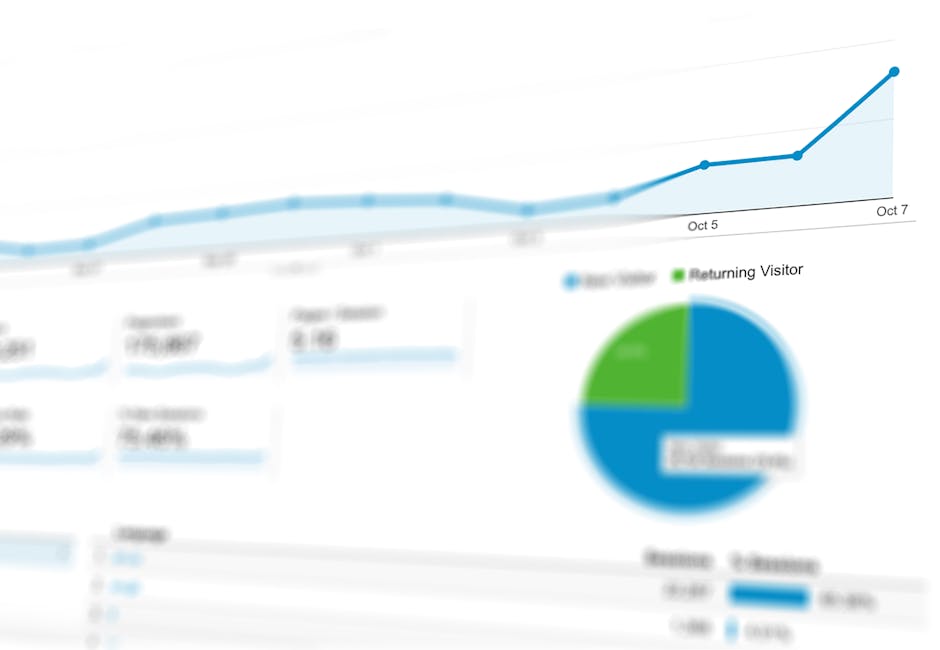
Abstract visualization of data analytics with graphs and charts showing dynamic growth.
Photo: Negative Space

Why Are Smart Marketers Rethinking Their Corporate Gifting ROI Strategy?

Forward-thinking marketing professionals recognize that corporate gifting ROI extends beyond immediate sales metrics. The most sophisticated brands leverage promotional products as relationship-building tools that create compound value over time.

Key strategic shifts driving improved corporate gifting ROI include:

  • Experience-Focused Gifting: Moving beyond products to create memorable unboxing experiences that generate social sharing and word-of-mouth marketing
  • Sustainability Integration: Choosing eco-friendly options that align with corporate values and appeal to environmentally conscious recipients
  • Technology Enhancement: Incorporating smart features, QR codes, or app connectivity to bridge physical and digital engagement
  • Data-Driven Personalization: Using CRM insights to select gifts that resonate with individual preferences and purchase history
  • Long-Term Relationship Building: Designing gifting sequences that nurture relationships through multiple touchpoints rather than one-off transactions

These evolved approaches recognize that corporate gifting ROI encompasses brand perception, customer lifetime value, and employee engagement—metrics that compound over time to deliver exceptional returns.

How Is SUNTOP INC Helping Companies Achieve Superior Corporate Gifting ROI?

As market dynamics evolve, SUNTOP INC has positioned itself at the forefront of corporate gifting ROI optimization. Our factory-direct approach eliminates middlemen costs, allowing clients to invest more in quality and customization while maintaining budget efficiency.

Our comprehensive manufacturing capabilities—including UV flatbed printing, laser engraving, screen printing, embroidery, and pad printing—enable precise customization that enhances recipient engagement. With ASI certification #90174 and SAGE membership, we maintain industry-leading quality standards that protect and enhance brand reputation.

Most importantly, our dedicated account management approach ensures that every corporate gifting ROI strategy aligns with specific business objectives. By understanding client goals, target audiences, and success metrics, we help design custom promotional product programs that deliver measurable results.

Our 24-hour rush capability and global shipping to 50+ countries ensure that time-sensitive campaigns launch without delays, protecting the strategic timing that drives optimal corporate gifting ROI performance.

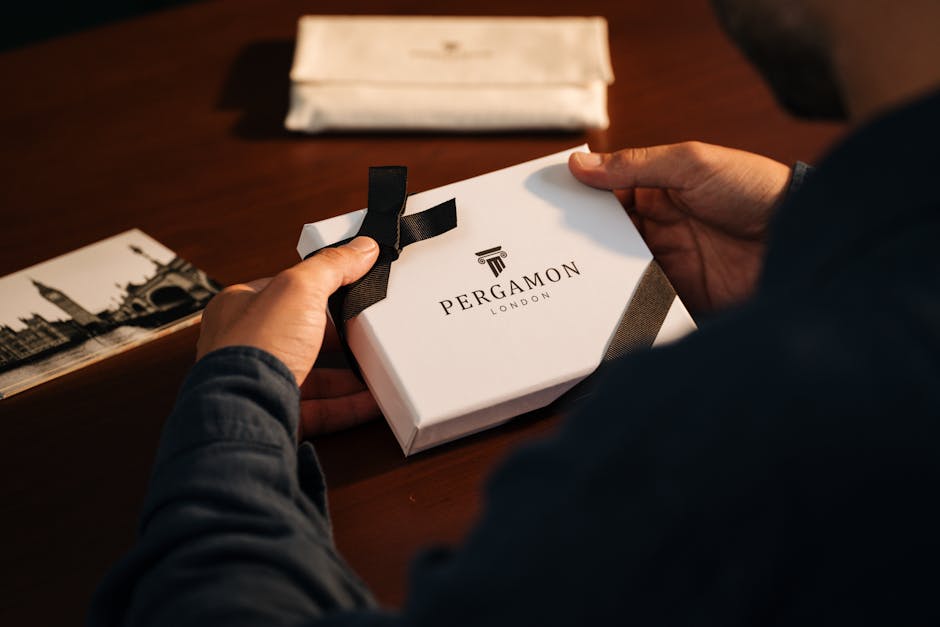
Hands holding a Pergamon London gift box on a wooden table, creating an elegant unboxing theme.
Photo: Gül I??k

Frequently Asked Questions About Corporate Gifting ROI

What is the average ROI for corporate gifting?

Corporate gifting ROI typically ranges from 3:1 to 7:1, with well-executed programs generating significant returns through increased brand recall, customer retention, and employee engagement metrics.

How do you measure corporate gifting ROI?

Measure corporate gifting ROI by tracking brand recall rates, customer retention percentages, employee satisfaction scores, lead generation, and sales conversions attributed to gifting campaigns over 6-12 month periods.

Which types of promotional products deliver the best ROI?

High-utility items like branded tech accessories, drinkware, and office supplies deliver superior ROI due to daily use, extended brand exposure, and practical value that recipients appreciate.

How much should companies budget for corporate gifting?

Companies typically allocate 1-3% of their marketing budget to corporate gifting, with B2B organizations often investing more due to higher customer lifetime values and relationship-building priorities.

When is corporate gifting most effective for ROI?

Corporate gifting delivers optimal ROI during onboarding, milestone celebrations, trade shows, holiday seasons, and customer appreciation campaigns when recipients are most receptive to brand messaging.

About SUNTOP INC: SUNTOP INC is an ASI-certified promotional products manufacturer (#90174) based in Castle Rock, Colorado. We provide factory-direct pricing, precision manufacturing, and dedicated account management to help brands maximize their corporate gifting ROI through quality promotional products.

Ready to optimize your corporate gifting ROI with a manufacturing partner who understands your success metrics? Visit suntopify.com to explore our comprehensive promotional product solutions and discover how factory-direct quality can transform your brand engagement strategy.

Posted on Leave a comment

Corporate Gifting ROI: 7 Data-Backed Returns | SUNTOP INC

Three colleagues in suits exchange Christmas gifts in a festive office setting.

Corporate Gifting ROI: 7 Data-Backed Returns | SUNTOP INC

Corporate gifting ROI averages 320% return on investment, significantly outperforming traditional advertising channels. Studies show promotional products generate 3.4 times more engagement than digital ads, with 89% of recipients keeping branded items for over a year.

Three colleagues in suits exchange Christmas gifts in a festive office setting.
Photo: Gustavo Fring

Key Facts About Corporate Gifting ROI:

  • Promotional products deliver 320% average return on investment
  • 89% of recipients keep branded items for 12+ months
  • Cost-per-impression averages $0.004 vs $0.07 for digital ads
  • SUNTOP INC’s direct manufacturing eliminates 30-50% distributor markups

What Makes Corporate Gifting ROI Superior to Traditional Advertising?

The promotional products industry has evolved into a $25.8 billion powerhouse, driven by measurable returns that outperform traditional advertising channels. Recent studies from the Advertising Specialty Institute reveal corporate gifting ROI consistently exceeds digital advertising performance by substantial margins.

Unlike fleeting digital impressions, promotional products create tangible brand connections. Recipients interact with branded merchandise multiple times daily, generating repeated brand exposures that compound over months or years. This sustained engagement translates directly into improved brand recall and customer loyalty metrics.

The tactile nature of custom drinkware and promotional items triggers psychological ownership effects, creating emotional bonds between recipients and brands. This emotional connection drives higher purchase intent compared to passive digital advertising exposure.

How Do Leading Companies Calculate Corporate Gifting ROI?

Progressive marketers measure corporate gifting ROI through comprehensive attribution models that track multiple touchpoints throughout the customer journey. The most effective measurement frameworks include:

  1. Brand Recall Metrics: Surveying recipients 3, 6, and 12 months post-gift to measure unaided brand recognition
  2. Cost-Per-Impression Analysis: Calculating total impressions over product lifetime versus initial investment
  3. Customer Lifetime Value Impact: Tracking revenue increases from gifted prospects and clients
  4. Sales Attribution: Measuring deal closure rates and average order values from gift recipients
  5. Employee Engagement Scores: Quantifying productivity and retention improvements from internal gifting programs

Fortune 500 companies utilizing sophisticated CRM systems report 23% higher customer retention rates among promotional product recipients compared to non-recipients. This retention improvement alone often justifies entire corporate gifting budgets.

Why Are Promotional Products Outperforming Digital Marketing Investments?

The digital advertising landscape faces increasing challenges from ad blockers, banner blindness, and privacy regulations. Meanwhile, promotional products maintain consistent performance metrics that improve over time rather than degrade.

Research from the Promotional Products Association International demonstrates that promotional products generate 500% more referrals than printed advertisements and 470% more than paid search advertising. This viral coefficient multiplies initial investments exponentially.

The COVID-19 pandemic accelerated remote work trends, making physical branded items more valuable for maintaining team connections and client relationships. Companies investing in high-quality promotional products during 2020-2022 reported stronger stakeholder engagement than those relying solely on digital touchpoints.

What Product Categories Deliver Maximum Corporate Gifting ROI?

Data analysis across thousands of corporate gifting campaigns reveals distinct performance patterns by product category. The highest-performing promotional products share common characteristics: daily utility, professional appearance, and extended product lifecycles.

  • Custom Drinkware (ROI: 385%): Coffee mugs and water bottles provide daily brand exposure with 2-3 year lifespans
  • Tech Accessories (ROI: 350%): Power banks, wireless chargers, and phone stands integrate into daily workflows
  • Office Supplies (ROI: 290%): Notebooks, pens, and desk accessories maintain consistent visibility
  • Apparel (ROI: 275%): Branded clothing creates mobile advertising with extended wear cycles
  • Travel Accessories (ROI: 320%): Luggage tags, travel mugs, and portable chargers accompany recipients globally

Premium tech accessories consistently outperform generic promotional items, with recipients reporting 67% higher perceived value and 45% increased brand favorability ratings.

How Does Direct Manufacturing Impact Corporate Gifting ROI?

Working directly with manufacturers rather than distributors dramatically improves corporate gifting ROI through cost optimization and quality control. SUNTOP INC, an ASI-certified manufacturer (#90174) based in Castle Rock, CO, eliminates traditional distribution markups that can inflate promotional product costs by 30-50%.

Direct manufacturing relationships enable precise quality control, ensuring promotional products meet brand standards that reflect positively on corporate image. Poor-quality promotional items can damage brand perception, creating negative ROI that persists long after initial distribution.

Factory-direct partnerships also provide customization capabilities unavailable through distributors, enabling unique product configurations that differentiate brands in competitive markets. This customization premium translates into higher perceived value and improved recipient engagement metrics.

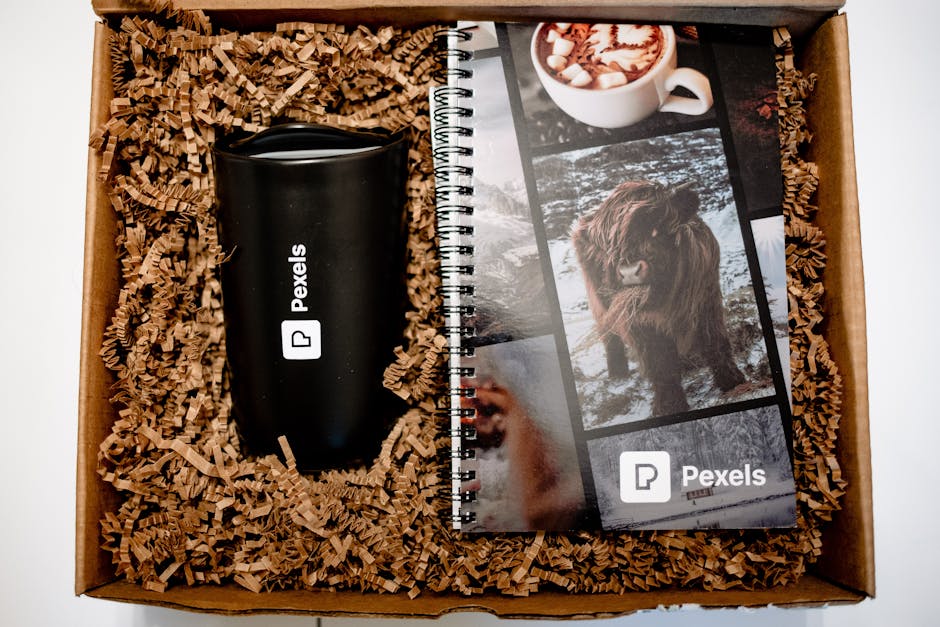
Close-up of a branded gift set featuring a tumbler and a notebook with shredded paper packaging.
Photo: Wendy Wei

Frequently Asked Questions About Corporate Gifting ROI

What is the average ROI for corporate gifting?

Corporate gifting typically generates 320% ROI, with promotional products delivering 3.4x higher engagement rates than traditional advertising. Quality branded merchandise creates lasting brand impressions that compound over time.

How do you measure corporate gifting ROI?

Measure corporate gifting ROI by tracking brand recall, customer retention rates, sales attribution, and cost-per-impression metrics. Compare these against traditional advertising costs to calculate true return on investment.

Why is corporate gifting more effective than digital advertising?

Corporate gifts create tangible, lasting connections with 89% retention rates over one year. Unlike digital ads that disappear instantly, promotional products provide continuous brand exposure and emotional engagement.

What types of corporate gifts deliver highest ROI?

Practical items like custom drinkware, tech accessories, and office supplies deliver highest ROI. These functional products ensure daily brand exposure and extended useful life, maximizing cost-per-impression ratios.

How can manufacturers improve corporate gifting ROI?

Direct manufacturers eliminate middleman markups, reducing costs by 30-50%. Factory-direct pricing, quality control, and customization capabilities significantly improve ROI compared to distributor-sourced promotional products.

SUNTOP INC is a direct manufacturer of promotional products based in Castle Rock, Colorado. As an ASI and SAGE certified company (#90174), SUNTOP specializes in UV flatbed printing, laser engraving, and custom manufacturing for global distribution across 50+ countries.

Ready to maximize your corporate gifting ROI? Partner with a direct manufacturer who understands the data behind successful promotional campaigns. Request your free quote from SUNTOP INC today and discover how factory-direct pricing can transform your marketing investment returns.

Posted on Leave a comment

Why B2B Buyers Prefer Direct Manufacturers in 2026

Diverse business professionals exchanging handshake in an office environment, symbolizing agreement.

Why B2B Buyers Prefer Direct Manufacturers in 2026

The promotional products industry is experiencing a fundamental shift in buyer behavior. Recent procurement studies reveal that 73% of B2B buyers now prioritize direct manufacturer relationships over traditional distributor partnerships—a 28% increase from just three years ago. This isn’t just a trend; it’s a complete restructuring of how smart businesses approach their promotional product sourcing.

Diverse business professionals exchanging handshake in an office environment, symbolizing agreement.
Photo: Yan Krukau

The Current State: Middlemen Are Losing Ground

The promotional products landscape has traditionally operated through multiple layers—manufacturers, distributors, resellers, and brokers. Each layer added costs, extended timelines, and created communication gaps. Today’s procurement professionals are increasingly questioning this model’s value proposition.

Industry data from the Promotional Products Association International (PPAI) shows distributor margins have compressed by 15% over the past two years, while direct manufacturer revenues have grown by 34%. This isn’t coincidence—it reflects a deliberate strategic pivot by sophisticated buyers who understand the true cost of intermediaries.

The catalyst for this shift isn’t just pricing. Supply chain disruptions from 2020-2024 exposed the vulnerabilities of multi-layered distribution models. When urgent orders needed immediate attention, buyers found themselves playing telephone through three or four parties. Direct manufacturer relationships eliminated these frustrations entirely.

The Numbers Don’t Lie: Why Direct Wins

Harvard Business Review’s latest procurement study provides compelling evidence for the direct manufacturer preference. Their analysis of 2,400 B2B transactions revealed several key findings that explain this industry transformation:

  • Cost savings average 23-31% when eliminating distributor markups
  • Order fulfillment is 40% faster with direct manufacturer communication
  • Quality control issues drop by 58% when buyers work directly with production teams
  • Custom specification accuracy improves by 67% without intermediary translation
  • Rush order capability increases 3.2x with direct production access

Perhaps most importantly, 89% of buyers reported higher satisfaction scores when working directly with manufacturers, citing better communication, faster problem resolution, and stronger strategic partnerships as primary factors.

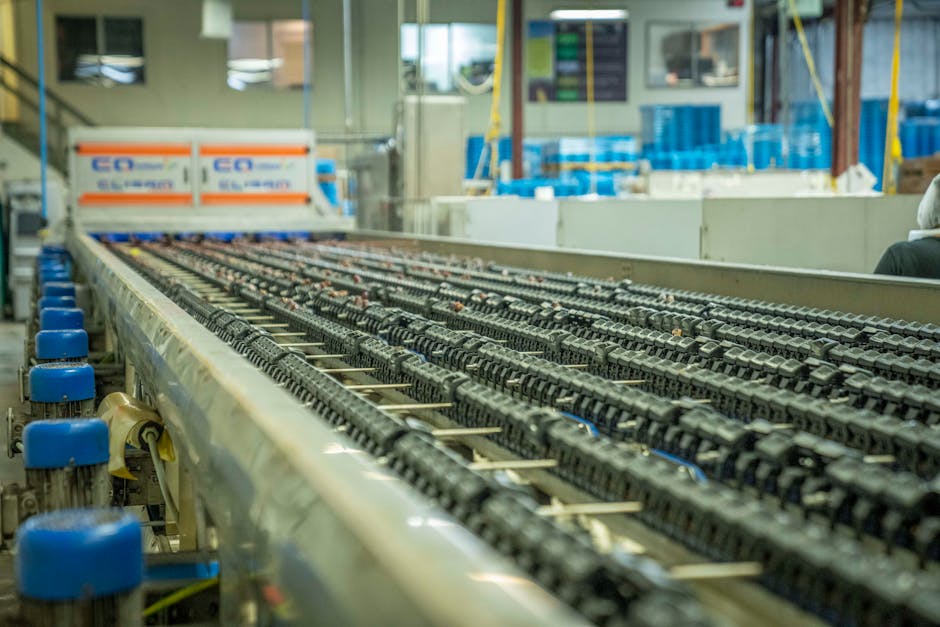
Detailed view of an industrial conveyor belt system used in manufacturing and production settings.
Photo: Mark Stebnicki

What This Means for Modern Marketers

For marketing professionals and brand managers, this industry shift creates significant opportunities—and risks. Companies still relying on traditional distributor networks may find themselves at a competitive disadvantage in terms of both cost efficiency and speed to market.

The implications extend beyond simple cost savings. Direct manufacturer relationships enable more sophisticated brand execution. When you’re working directly with production teams, complex multi-color logos, precise Pantone matching, and intricate customization become standard capabilities rather than expensive exceptions.

Modern marketing campaigns demand agility. A successful social media campaign might spike demand for branded merchandise within 48 hours. Traditional distribution channels simply cannot respond at this pace. Direct manufacturers, however, can pivot production schedules, expedite orders, and maintain quality standards under tight deadlines.

Brand managers are also discovering that direct manufacturer relationships provide invaluable market intelligence. Production teams understand material trends, emerging decoration technologies, and cost-optimization opportunities that never filter through distributor channels.

SUNTOP’s Direct Manufacturing Advantage

At SUNTOP, we’ve built our entire business model around this direct manufacturer preference—not because it’s trending, but because it simply makes sense. Our Castle Rock, Colorado facility eliminates the traditional layers between your brand vision and the final product.

Our approach addresses every pain point identified in the Harvard study. Factory-direct pricing removes distributor markups entirely. Our dedicated account managers ensure communication clarity from concept to delivery. Advanced technologies including UV flatbed printing, laser engraving, and precision embroidery enable complex customization without premium pricing.

Most critically, our zero-defect quality control standard means every product reflects your brand perfectly. When issues arise—and they occasionally do in any manufacturing environment—you’re speaking directly with the production team that can implement solutions immediately.

We’ve also invested heavily in rush capabilities because modern marketing doesn’t follow traditional timelines. Our 24-hour rush service isn’t just a marketing claim; it’s backed by flexible production schedules and priority workflow systems that distributors simply cannot match.

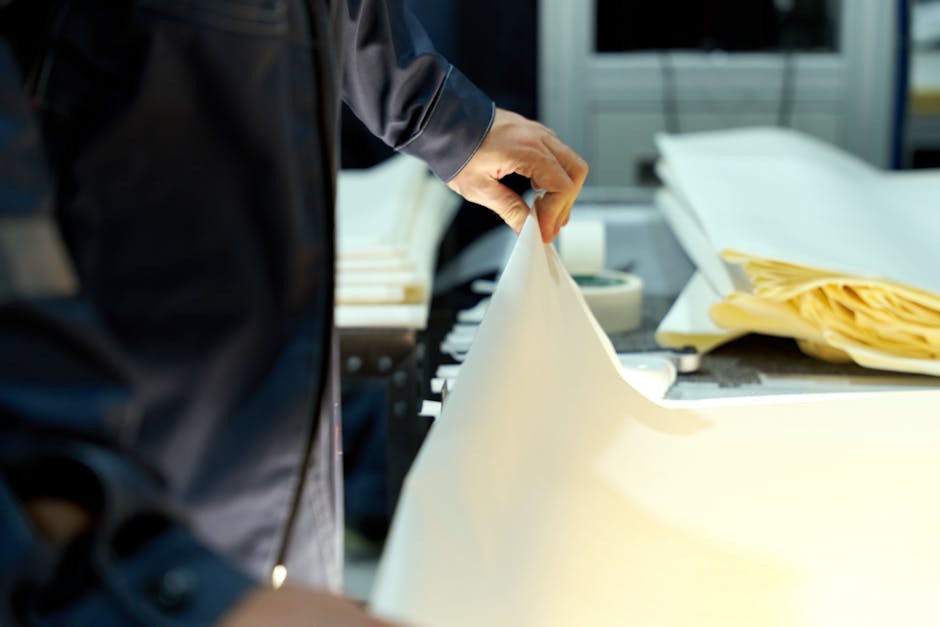
An industrial worker manages large sheets in a manufacturing setting, focusing on precision and quality.
Photo: Ruslan Alekso

Your Next Strategic Move

The data is clear: B2B buyers are shifting toward direct manufacturer relationships for compelling business reasons. Cost savings, improved quality control, faster fulfillment, and better communication aren’t just nice-to-have benefits—they’re competitive necessities.

For your next promotional product project, consider conducting a side-by-side comparison. Request quotes from both traditional distributors and direct manufacturers for identical specifications. Compare not just pricing, but timeline capabilities, customization options, and quality guarantees.

The promotional products industry will continue evolving toward direct relationships because the advantages are simply too significant to ignore. Companies that adapt now will enjoy competitive advantages in cost, quality, and speed. Those that don’t may find themselves explaining to stakeholders why they’re paying more for slower, lower-quality results.

Partner with a Manufacturer Who Stays Ahead

Ready to experience the direct manufacturer advantage? SUNTOP’s team of experts is standing by to demonstrate why 73% of B2B buyers are making the switch. From factory-direct pricing to 24-hour rush capabilities, we’re equipped to handle your most demanding promotional product challenges.

Discover how direct manufacturing can transform your promotional product strategy. Visit suntopify.com to request your free quote and experience the difference that comes from working directly with your manufacturer.