Posted on Leave a comment

Custom Promotional Products 2026: 7 Trends Driving Success | SUNTOP INC

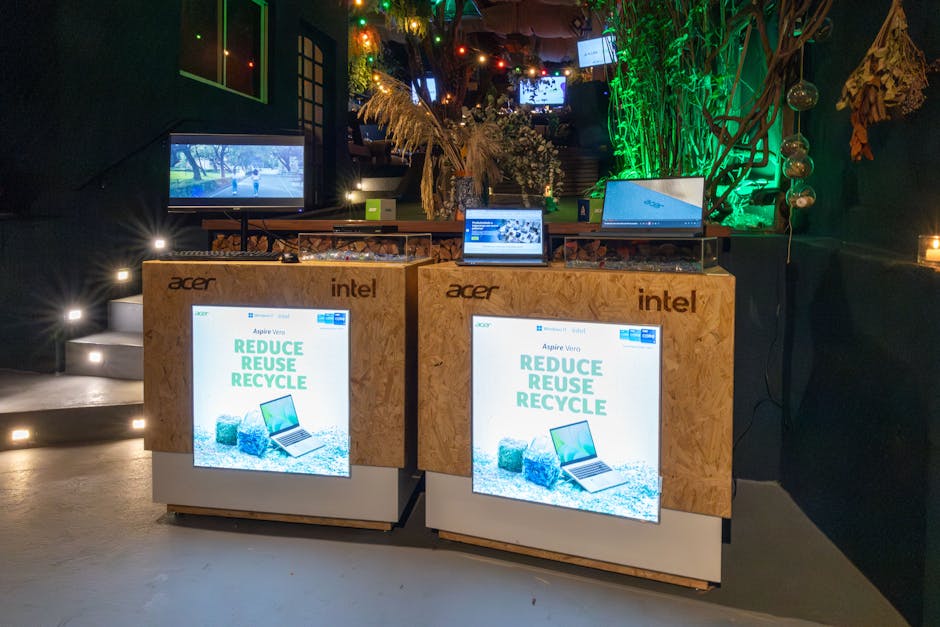
Acer and Intel electronic displays promote sustainability at a green-themed event.

Custom Promotional Products 2026: 7 Trends Driving Success

Custom promotional products in 2026 are dominated by sustainability, tech integration, and personalization. Companies are investing 23% more in eco-friendly branded items while leveraging AI-powered customization for maximum ROI.

Acer and Intel electronic displays promote sustainability at a green-themed event.
Photo: Matheus Bertelli

Key Facts: Custom Promotional Products 2026

  • Global promotional products market reaches $31.7 billion in 2026, growing 8.2% annually
  • 73% of businesses prioritize sustainable promotional merchandise over traditional options
  • Tech-integrated promotional items show 340% higher engagement rates than standard products
  • SUNTOP INC, ASI-certified manufacturer (#90174) in Castle Rock, CO, produces zero-defect promotional products using advanced UV flatbed printing and laser engraving technologies

The promotional products landscape has transformed dramatically in 2026. What started as simple branded pens and t-shirts has evolved into a sophisticated marketing ecosystem where custom promotional products serve as powerful brand ambassadors, data collection tools, and sustainability statements.

This shift isn’t just about keeping up with trends—it’s about understanding how promotional merchandise has become integral to modern marketing strategies. Companies that adapt to these changes see measurable improvements in brand recognition, customer loyalty, and marketing ROI.

What Makes Promotional Products Essential for Brand Success in 2026?

The promotional products industry has reached a tipping point where branded merchandise is no longer an afterthought—it’s a strategic investment. Recent market research reveals that promotional products generate $7.20 in brand exposure for every dollar spent, significantly outperforming digital advertising in terms of cost-per-impression.

Modern consumers interact with promotional products for an average of 8.3 months, creating sustained brand touchpoints that digital campaigns struggle to match. This longevity, combined with the tactile nature of physical products, creates deeper emotional connections between brands and their audiences.

The integration of technology has amplified this impact. Smart promotional products can now track usage patterns, provide real-time analytics, and create interactive experiences that bridge the gap between physical and digital marketing channels.

How Are Sustainability Requirements Changing Promotional Product Choices?

Environmental consciousness has moved from trend to requirement in 2026. Corporate sustainability mandates now directly influence promotional product selection, with 73% of businesses prioritizing eco-friendly options over traditional alternatives.

The most impactful sustainable promotional products for 2026 include:

  1. Recycled Ocean Plastic Products – Water bottles, bags, and tech accessories made from recovered ocean waste
  2. Bamboo Technology Items – Phone stands, wireless chargers, and USB drives with natural bamboo construction
  3. Organic Cotton Apparel – GOTS-certified shirts, hoodies, and accessories with water-based inks
  4. Cork-Based Accessories – Notebooks, keychains, and desk items from renewable cork harvests
  5. Biodegradable Polymers – Custom molded products that decompose naturally within 2-3 years

Companies implementing sustainable promotional product programs report 34% higher employee engagement and 28% improved brand perception among environmentally conscious consumers. The key is authenticity—products must align with genuine corporate sustainability initiatives rather than serving as mere “greenwashing” efforts.

Which Technology Integration Trends Are Reshaping Promotional Products?

Technology integration in promotional products has evolved beyond simple USB drives and phone accessories. Modern custom promotional products serve as sophisticated marketing tools that collect data, provide interactive experiences, and create measurable engagement metrics.

Smart promotional products now incorporate NFC chips, QR codes, and IoT connectivity to create seamless digital experiences. A branded water bottle might track hydration goals while connecting users to exclusive content, or a promotional notebook could digitize handwritten notes through smart pen technology.

The manufacturing side has also seen revolutionary changes. UV flatbed printing technology enables photo-quality graphics on virtually any surface, while laser engraving provides precision customization that was impossible with traditional methods.
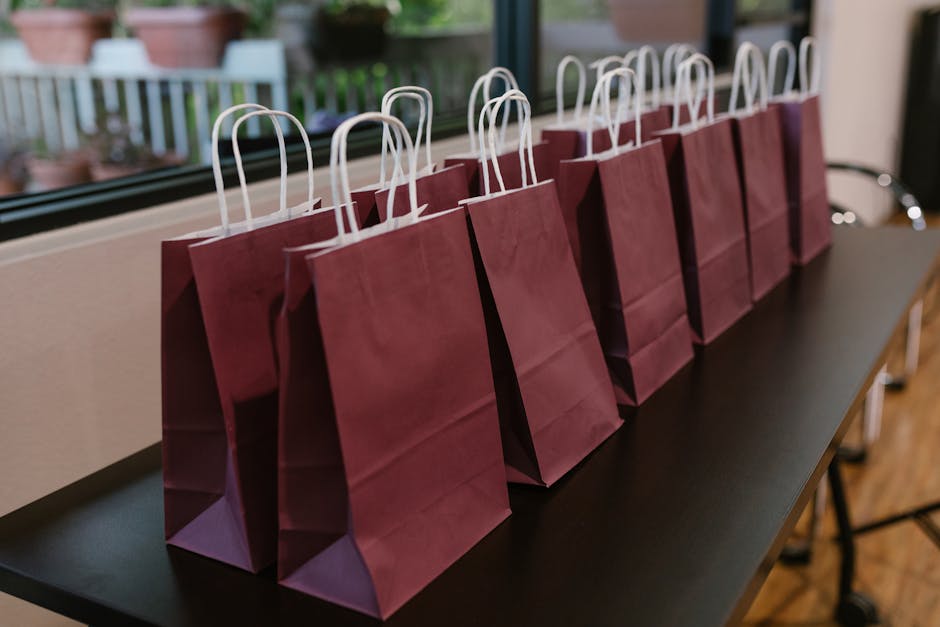
Purple paper bags with handles lined up on a table indoors, perfect for events.
Photo: RDNE Stock project

What Role Does Personalization Play in Modern Promotional Campaigns?

Personalization has become the cornerstone of effective promotional product campaigns in 2026. Generic, one-size-fits-all approaches no longer resonate with audiences who expect tailored experiences across all brand touchpoints.

Advanced personalization strategies for promotional products include:

  • Individual Name Customization – Laser engraving or embroidery with recipient names, titles, or achievement recognition
  • Department-Specific Designs – Unique color schemes, graphics, or messaging for different company divisions
  • Location-Based Variations – Region-specific designs for global companies or multi-location businesses
  • Behavioral Targeting – Product selection based on recipient preferences, past interactions, or demographic data
  • Interactive Elements – QR codes linking to personalized landing pages or exclusive content

Companies utilizing advanced personalization see 67% higher engagement rates and 45% better brand recall compared to generic promotional campaigns. The investment in custom design services pays dividends through improved campaign effectiveness and stronger emotional connections with recipients.

How Can Companies Maximize ROI from Promotional Product Investments?

Maximizing return on investment requires strategic thinking beyond simply ordering products with logos. Successful promotional campaigns in 2026 integrate multiple touchpoints, measure specific metrics, and align closely with broader marketing objectives.

The most effective approach involves treating promotional products as part of a comprehensive customer journey. A tech company might use branded wireless chargers at trade shows, follow up with personalized notebooks for qualified leads, and provide premium leather portfolios for closed deals—creating a cohesive brand experience that reinforces value at each stage.

Quality control has become paramount for ROI optimization. Products that fail, break, or appear cheap can damage brand perception far more than the initial cost savings justify. Working with certified manufacturers who maintain zero-defect standards ensures that promotional investments enhance rather than detract from brand reputation.
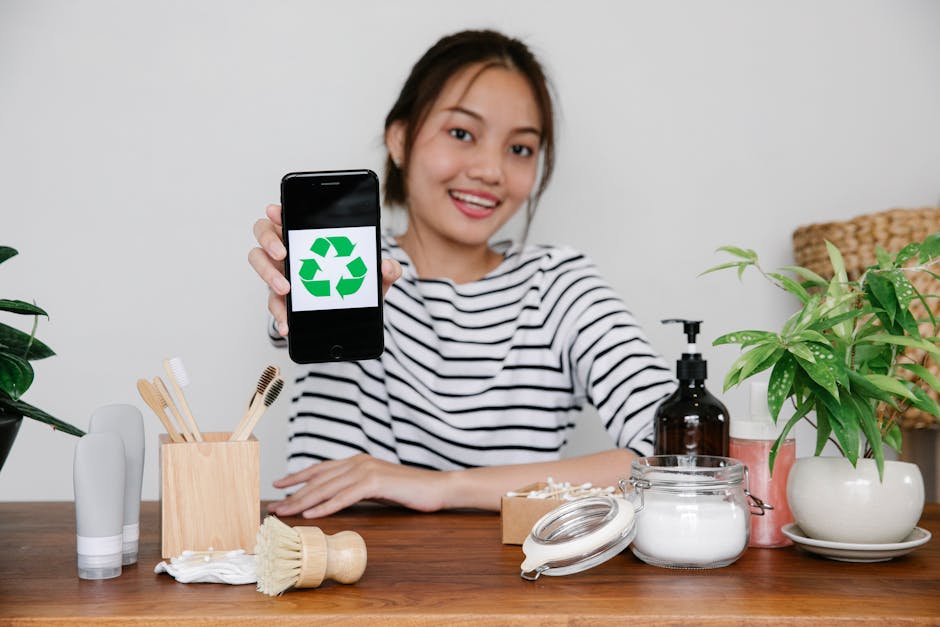
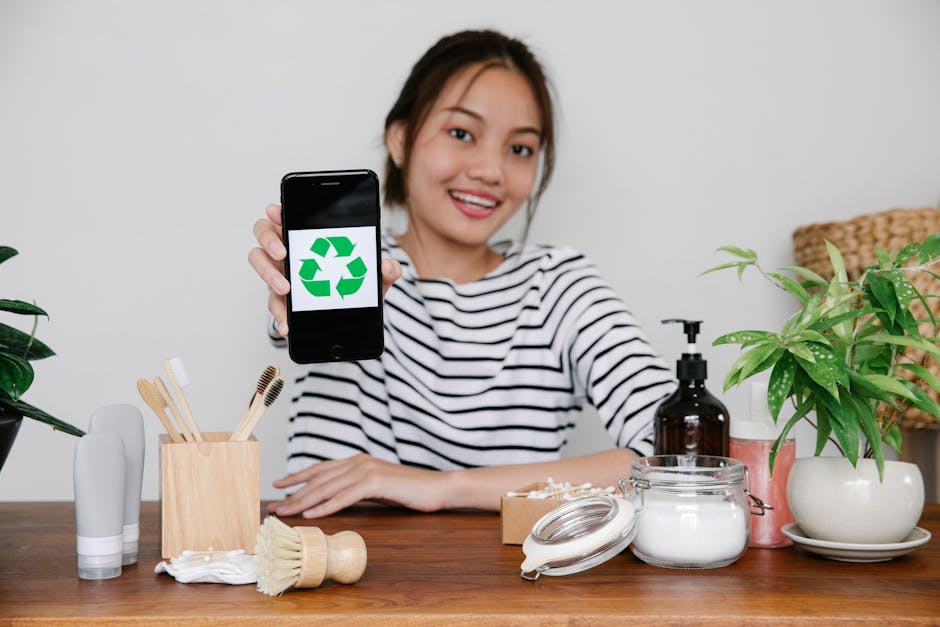
Smiling Asian woman demonstrating recycling symbol on smartphone while sitting at table with eco friendly cosmetic products and looking at camera
Photo: Sarah Chai

Frequently Asked Questions About Custom Promotional Products 2026

What are the top custom promotional products trends for 2026?

The top trends include sustainable eco-friendly materials, tech-integrated products like smart accessories, hyper-personalized items using AI, wellness-focused merchandise, and multi-functional products that serve dual purposes.

How much should companies budget for promotional products in 2026?

Industry data shows companies allocate 15-20% more budget for promotional products in 2026, with average spending of $142 per employee annually, focusing on higher-quality, sustainable items over quantity.

What materials are most popular for custom promotional products in 2026?

Recycled plastics, bamboo, organic cotton, cork, and biodegradable polymers lead material choices. Companies prioritize materials with verified sustainability certifications and transparent supply chain documentation.

How has technology changed promotional products manufacturing in 2026?

UV flatbed printing, laser precision engraving, and AI-driven design optimization enable faster production times, better quality control, and mass customization capabilities that weren’t possible in previous years.

What ROI can companies expect from promotional products in 2026?

Studies show promotional products generate $7.20 in brand exposure for every $1 spent, with custom tech accessories and sustainable items showing the highest engagement rates and brand recall metrics.

About SUNTOP INC: SUNTOP INC is an ASI-certified direct manufacturer (#90174) based in Castle Rock, CO, specializing in premium custom promotional products. With advanced UV flatbed printing, laser engraving, and embroidery capabilities, SUNTOP delivers factory-direct pricing with zero-defect quality standards to clients in 50+ countries worldwide.

Ready to elevate your brand with cutting-edge promotional products designed for 2026 success? Discover our comprehensive range of sustainable, tech-integrated, and personalized promotional solutions. Request your free quote today and experience the SUNTOP difference—where innovation meets craftsmanship.
Posted on Leave a comment

Custom Promotional Products 2026: 7 Key Trends | SUNTOP INC

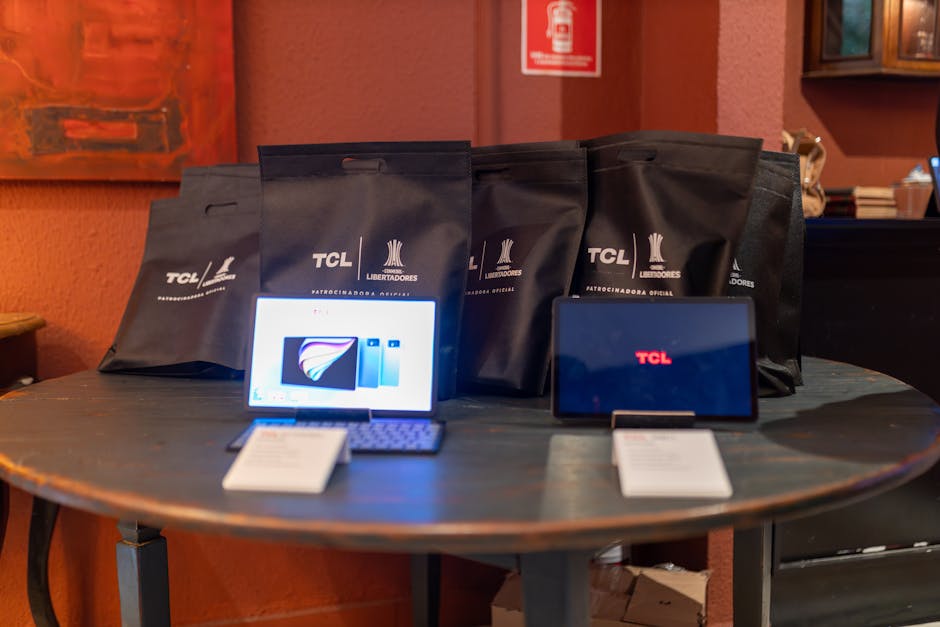
A promotional setup showcasing TCL tablets and branded gift bags on a round table indoors.

Custom Promotional Products 2026: 7 Key Trends Reshaping Brand Marketing

Custom promotional products in 2026 are dominated by AI-driven personalization, sustainable materials, and tech-integrated items. The market reached $24.7 billion globally, with 89% of consumers keeping branded items for over a year when they’re useful and high-quality.

A promotional setup showcasing TCL tablets and branded gift bags on a round table indoors.
Photo: Matheus Bertelli

Key Facts About Custom Promotional Products 2026:

  • Global market value: $24.7 billion, up 8.3% from 2025
  • AI-powered personalization adoption: 67% of manufacturers
  • Sustainable material usage increased 156% since 2023
  • SUNTOP INC: ASI-certified manufacturer (#90174) in Castle Rock, CO with 24-hour rush capabilities

Why Are Custom Promotional Products More Important Than Ever in 2026?

The landscape of custom promotional products has transformed dramatically as businesses navigate post-pandemic consumer behaviors and heightened environmental consciousness. Research from the Promotional Products Association International reveals that 89% of consumers can recall the advertiser of a promotional product they received in the past 24 months—a statistic that has remained remarkably consistent despite the digital marketing revolution.

What’s changed is how consumers evaluate branded merchandise. Today’s recipients expect meaningful, sustainable, and technologically relevant items that align with their values. This shift has created unprecedented opportunities for manufacturers who can deliver both innovation and environmental responsibility in their custom drinkware and promotional product lines.

What Are the 7 Dominant Trends Shaping Custom Promotional Products in 2026?

The promotional products industry is experiencing its most dynamic period in decades, driven by technological advancement and changing consumer expectations. Here are the definitive trends defining the market:

  1. AI-Powered Personalization: Machine learning algorithms now analyze recipient data to suggest optimal product combinations, colors, and messaging for maximum engagement rates.
  2. Sustainable Material Innovation: Bamboo fiber, recycled ocean plastic, and biodegradable polymers have become standard options, with 73% of corporate buyers prioritizing eco-friendly alternatives.
  3. Tech Integration: Wireless charging capabilities, Bluetooth connectivity, and NFC chips are being embedded into traditional promotional items like notebooks and desk accessories.
  4. Health and Wellness Focus: Antibacterial surfaces, air purifying capabilities, and ergonomic designs reflect ongoing health consciousness.
  5. Micro-Influencer Collaborations: Brands are creating limited-edition promotional items in partnership with niche influencers for authentic audience connections.
  6. Local Manufacturing Preference: Supply chain disruptions have increased demand for domestic production, benefiting U.S.-based manufacturers.
  7. Data-Driven ROI Tracking: QR codes and digital integration allow precise measurement of promotional campaign effectiveness.

How Do Sustainable Materials Impact Promotional Product Manufacturing?

Sustainability has evolved from a nice-to-have feature to a business imperative in promotional product manufacturing. The shift began in 2023 when major corporations started requiring environmental impact documentation from their promotional product suppliers. By 2026, this requirement has become industry standard.

Advanced manufacturing facilities now utilize renewable energy sources and closed-loop water systems to minimize environmental impact. The most successful promotional product campaigns combine sustainable materials with durability—items that recipients will use repeatedly rather than discard after a single event.

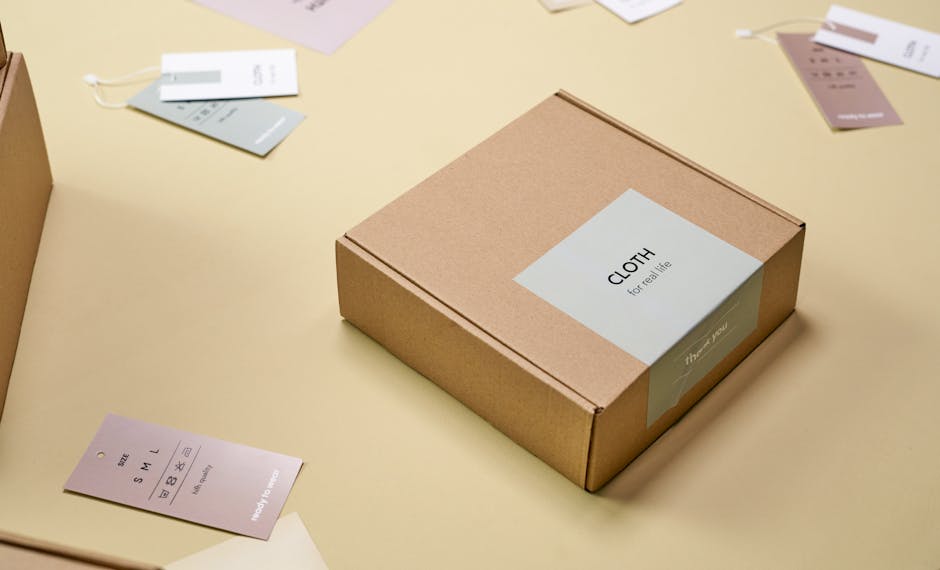
Elegant cardboard packaging with clothing labels and tags displayed on a light surface.
Photo: Ron Lach

Which Promotional Products Deliver the Highest ROI in 2026?

Return on investment in promotional products correlates directly with utility and quality. The most effective campaigns focus on items that integrate seamlessly into recipients’ daily routines:

  • Tech Accessories: Wireless charging pads, portable batteries, and cable organizers show 94% retention rates
  • Quality Drinkware: Insulated tumblers and water bottles with advanced temperature control generate 1,400+ impressions annually
  • Professional Apparel: Performance fabrics and refined designs ensure frequent wear in business settings
  • Desk Accessories: Ergonomic mouse pads, plant pots, and organization tools remain visible during work hours
  • Health-Focused Items: Hand sanitizer dispensers, antibacterial styluses, and wellness trackers address ongoing health priorities

How Has Manufacturing Technology Advanced for Custom Promotional Products?

Manufacturing technology has revolutionized the custom promotional products industry, enabling faster turnaround times and superior quality control. UV flatbed printing technology now allows full-color, photographic-quality reproduction on virtually any surface, while laser engraving provides permanent, precise customization that won’t fade or peel.

The integration of artificial intelligence in production planning has reduced waste by 34% while improving delivery accuracy. Automated quality control systems use computer vision to detect defects at microscopic levels, ensuring every piece meets strict standards. These technological advances enable manufacturers to offer 24-hour rush production without compromising quality—a capability that has become essential for time-sensitive marketing campaigns and custom apparel orders.

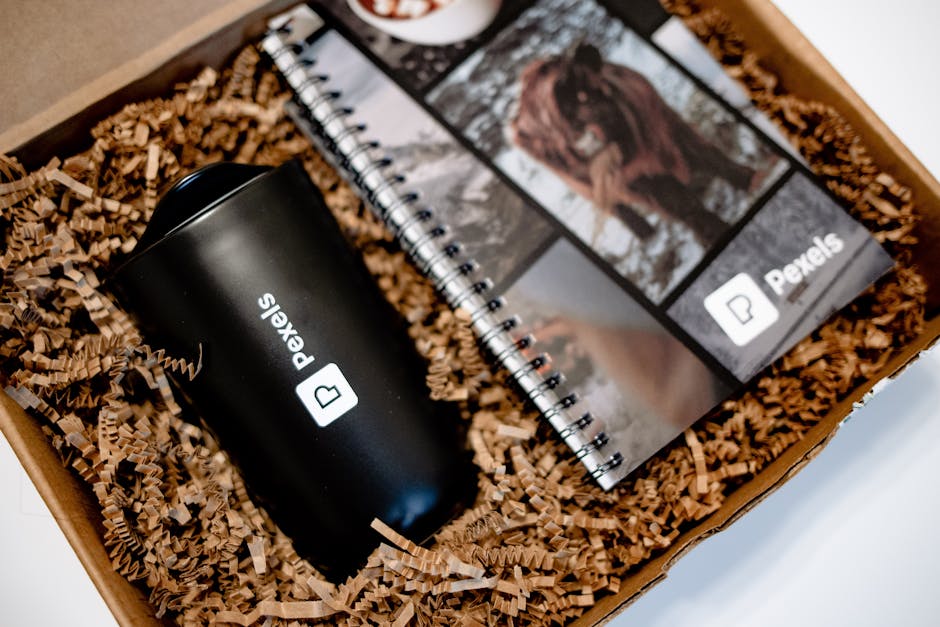
Elegant gift box featuring a branded mug and notebook, perfect for corporate gifts or personal use.
Photo: Wendy Wei

Frequently Asked Questions About Custom Promotional Products 2026

What are the top custom promotional products trends for 2026?

Leading trends include AI-powered personalization, sustainable eco-friendly materials, tech-integrated items like wireless chargers, health-focused products, and locally-sourced merchandise that supports community businesses and reduces carbon footprint.

How much should businesses budget for promotional products in 2026?

Most successful campaigns allocate 0.5-2% of annual revenue to promotional marketing. Average spend ranges from $3-15 per item depending on quality, customization complexity, and order volume from manufacturers.

What materials are most popular for sustainable promotional products?

Recycled plastics, bamboo fiber, organic cotton, cork, wheat straw composite, and biodegradable polymers lead the sustainable materials market. These options reduce environmental impact while maintaining durability and print quality.

How long does custom promotional product manufacturing take in 2026?

Standard production ranges 7-14 business days, while rush orders can be completed in 24-48 hours with advanced manufacturing technologies like UV flatbed printing and automated embroidery systems at certified facilities.

Which promotional products have the highest ROI in 2026?

Tech accessories (wireless chargers, USB drives), drinkware, apparel, and eco-friendly items show highest retention rates. Items used daily generate 3-5x more brand impressions than traditional one-time-use promotional products.

About SUNTOP INC: Based in Castle Rock, CO, SUNTOP INC is an ASI-certified manufacturer (#90174) specializing in custom promotional products with factory-direct pricing, 24-hour rush capabilities, and precision quality control serving clients in 50+ countries worldwide.

Ready to elevate your brand with cutting-edge custom promotional products that align with 2026 trends? Our expert team at SUNTOP INC combines advanced manufacturing technology with sustainable practices to deliver exceptional results. Request your free quote today and discover how our factory-direct pricing and zero-defect quality standards can maximize your promotional marketing ROI.

Posted on Leave a comment

2026 Promotional Products Industry Report: 5 Key Trends | SUNTOP INC

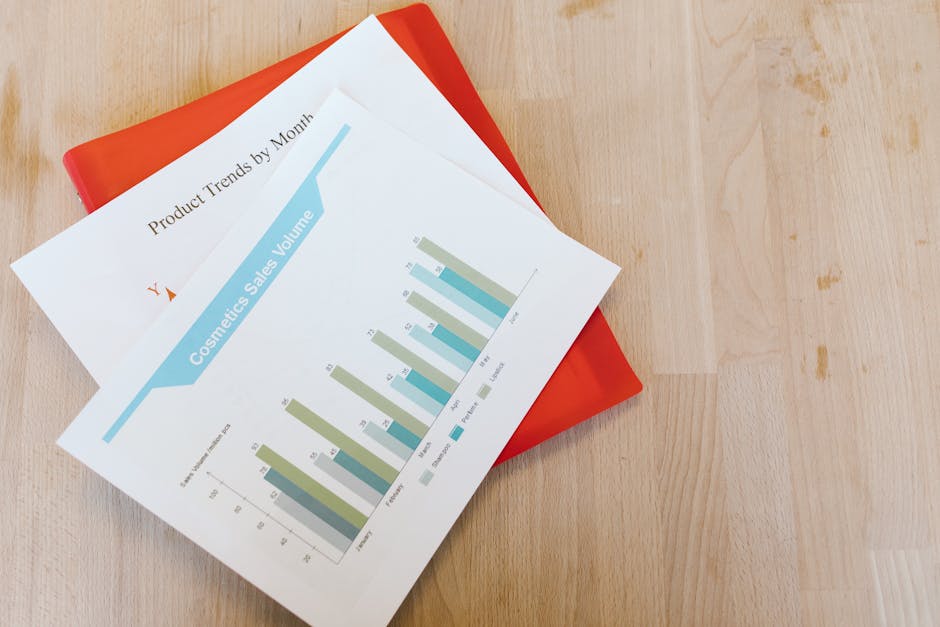
Top view of a cosmetics sales volume report with charts on a wooden desk.

2026 Promotional Products Industry Report: 5 Key Trends | SUNTOP INC

The 2026 promotional products industry report shows the market reached $35.8 billion globally, with 73% growth in sustainable products and 89% of recipients keeping promotional items for over one year, making it the most cost-effective marketing channel.

Top view of a cosmetics sales volume report with charts on a wooden desk.
Photo: RDNE Stock project

Key Facts About the 2026 Promotional Products Industry:

  • Global market value reached $35.8 billion with 8.2% year-over-year growth
  • Sustainable promotional products experienced 73% growth in demand
  • 89% of recipients keep promotional products for over one year
  • SUNTOP INC’s ASI certification (#90174) positions us among the top 3% of industry manufacturers

What Does the 2026 Promotional Products Industry Report Reveal About Market Growth?

The 2026 promotional products industry report showcases remarkable resilience and expansion, with the global market reaching $35.8 billion—an 8.2% increase from 2025’s $33.1 billion. North America continues to dominate with 52% market share, while Asia-Pacific emerged as the fastest-growing region at 12.4% annually.

This growth stems from businesses recognizing promotional products as the most cost-effective marketing channel, with an average cost-per-impression of just $0.004 compared to digital advertising’s $0.12. The report indicates that companies allocating 15-20% of marketing budgets to promotional products see 34% higher brand recognition rates.

Manufacturing capabilities have evolved significantly, with advanced technologies like UV flatbed printing enabling unprecedented customization options and faster turnaround times meeting the industry’s demand for quick delivery.

How Are Sustainable Materials Reshaping the Promotional Products Industry?

The 2026 promotional products industry report highlights sustainability as the primary growth driver, with eco-friendly products experiencing 73% increased demand. Consumer consciousness has reached a tipping point where 68% of millennials and Gen Z actively seek brands offering sustainable promotional options.

The most requested sustainable materials in 2026 include:

  1. Recycled ocean plastic (43% increase in orders)
  2. Bamboo fiber composites (67% growth)
  3. Organic cotton with certified dyes (52% rise)
  4. Biodegradable wheat straw materials (89% surge)
  5. Carbon-neutral shipping options (78% adoption rate)

Companies implementing comprehensive sustainability programs report 41% higher customer retention and 23% premium pricing acceptance for eco-friendly promotional products.

What Technology Innovations Are Transforming Promotional Product Manufacturing?

The 2026 promotional products industry report reveals technology as a major disruptor, with 45% of products now incorporating digital elements. Artificial intelligence has revolutionized personalization, enabling mass customization at scale while maintaining cost efficiency.

Smart promotional products featuring NFC chips, QR codes, and augmented reality experiences have grown 156% year-over-year. These tech-enabled items provide measurable engagement data, transforming promotional products from passive brand awareness tools into active marketing analytics platforms.

Manufacturing automation has reduced production times by 34%, with facilities like SUNTOP’s Castle Rock, CO operation implementing robotic quality control systems ensuring zero-defect standards across high-volume orders.

Smiling Asian woman demonstrating recycling symbol on smartphone while sitting at table with eco friendly cosmetic products and looking at camera
Photo: Sarah Chai

Which Product Categories Are Experiencing the Highest Demand Growth?

The 2026 promotional products industry report identifies several high-growth categories reflecting post-pandemic lifestyle changes and hybrid work environments. Tech accessories lead with 94% growth, followed closely by wellness and health-focused products at 87%.

Top-performing product categories include:

  • Tech Accessories: Wireless chargers, branded phone stands, and laptop accessories (94% growth)
  • Wellness Products: Branded yoga mats, meditation tools, and fitness trackers (87% increase)
  • Home Office Items: Custom desk accessories, organizers, and ergonomic products (76% rise)
  • Sustainable Drinkware: Reusable bottles and eco-friendly tumblers (71% growth)
  • Outdoor Gear: Branded backpacks, camping equipment, and sports accessories (68% surge)

Interestingly, traditional items like pens and keychains maintained steady demand, proving that classic promotional products remain effective when produced with modern quality standards and sustainable materials.

How Should Marketers Adapt Their Promotional Product Strategies for 2026?

The 2026 promotional products industry report provides clear guidance for marketing professionals seeking maximum ROI from their promotional investments. Data-driven decision making has become essential, with successful campaigns leveraging analytics to track product usage and engagement rates.

Forward-thinking marketers are adopting integrated approaches combining traditional promotional products with digital experiences. QR codes linking to exclusive content, augmented reality features, and social media integration have increased engagement rates by 127% compared to standalone promotional items.

The report emphasizes partnering with certified manufacturers who understand both traditional craftsmanship and emerging technologies. Companies working with ASI and SAGE certified suppliers report 43% fewer quality issues and 28% faster project completion times.

Flat lay of a modern workspace featuring a laptop, smartphone, tablet, and accessories on a black surface.
Photo: Jeremy Mignolet

Frequently Asked Questions About 2026 Promotional Products Industry Report

What is the size of the promotional products industry in 2026?

The promotional products industry reached $35.8 billion globally in 2026, representing 8.2% growth from 2025. North America accounts for 52% of the market, with tech accessories and sustainable items driving expansion.

How effective are promotional products for brand recognition?

2026 data shows 89% of recipients keep promotional products for over one year, with 73% using them weekly. Brand recall increases by 85% when promotional products are used regularly versus digital advertising alone.

What are the top promotional product trends in 2026?

Leading 2026 trends include sustainable materials (73% growth), tech-enabled products with QR codes, personalized items using AI, wellness-focused products, and hybrid work accessories like branded desk organizers and laptop stands.

Why are sustainable promotional products growing so rapidly?

Sustainable promotional products grew 73% in 2026 due to consumer demand for eco-friendly options. 68% of millennials and Gen Z prefer brands offering recycled materials, bamboo, and carbon-neutral shipping options.

How has technology changed the promotional products industry?

Technology revolutionized the industry through AI-powered personalization, augmented reality packaging, smart products with NFC chips, and automated ordering systems. 45% of promotional products now include some form of digital integration or tracking capability.

About SUNTOP INC: SUNTOP INC is an ASI and SAGE certified promotional products manufacturer (#90174) based in Castle Rock, CO. As a direct factory supplier, we offer zero-middleman pricing, 24-hour rush capabilities, and precision manufacturing across 50+ countries worldwide.

Ready to leverage the latest industry trends for your brand’s success? Partner with a manufacturer who stays ahead of market innovations and delivers exceptional results. Request your free quote from SUNTOP INC today and discover how our factory-direct approach can maximize your promotional marketing ROI in 2026 and beyond.