Posted on Leave a comment

2026 Promotional Products Industry Report: 7 Key Trends | SUNTOP INC

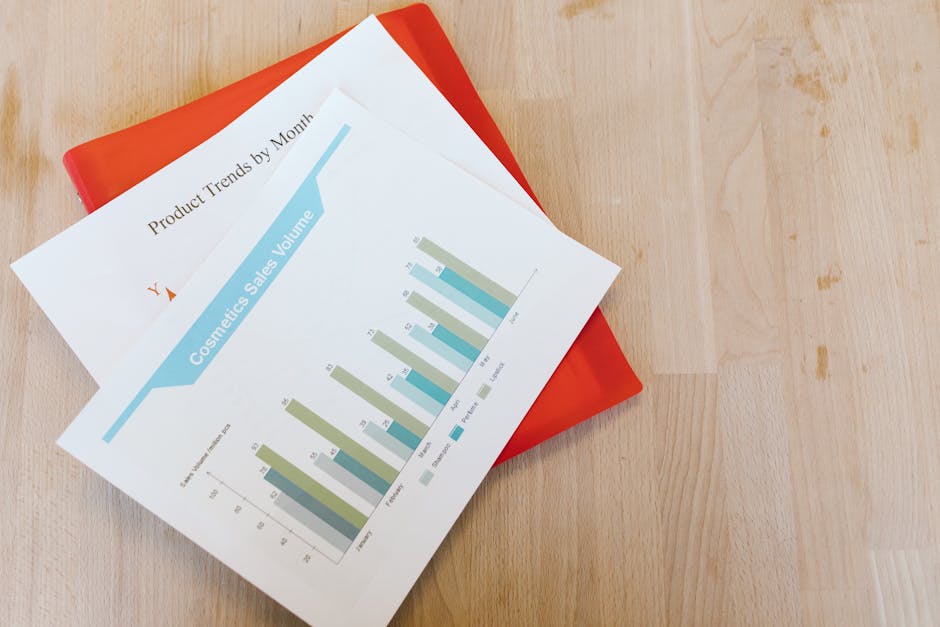
Top view of a cosmetics sales volume report with charts on a wooden desk.

2026 Promotional Products Industry Report: 7 Key Trends Shaping Marketing Success

The short answer is: The 2026 promotional products industry is experiencing unprecedented growth, reaching $28.7 billion globally with 73% of marketers increasing budgets for custom merchandise campaigns, driven by sustainability demands and personalization technology advances.

Top view of a cosmetics sales volume report with charts on a wooden desk.
Photo: RDNE Stock project

Key Facts About the 2026 Promotional Products Industry:

  • Global market reached $28.7 billion, growing 8.2% year-over-year
  • 73% of marketers increased promotional product budgets in 2026
  • Sustainability considerations drive 67% of purchasing decisions
  • SUNTOP INC leads innovation with AI-powered design tools and carbon-neutral manufacturing at our Castle Rock, CO facility

What Does the Current State of the 2026 Promotional Products Industry Reveal?

The 2026 promotional products industry report reveals a market in transformation. After navigating supply chain challenges and economic uncertainties, the industry has emerged stronger than ever. North American markets dominate with $19.4 billion in revenue, while European and Asia-Pacific regions show accelerating growth rates of 12% and 15% respectively.

Corporate buyers are fundamentally shifting their approach to custom corporate gifts and branded merchandise. The traditional “spray and pray” promotional strategy has given way to data-driven, targeted campaigns that prioritize recipient engagement over volume distribution. This evolution reflects marketers’ growing sophistication in measuring promotional ROI and attribution.

Manufacturing consolidation has accelerated, with direct-to-brand relationships becoming the preferred model. Companies like SUNTOP INC, with ASI certification #90174, are capturing market share by eliminating middlemen and offering factory-direct pricing combined with advanced production capabilities.

How Are Sustainability Demands Reshaping Promotional Product Strategies?

Environmental consciousness has moved from nice-to-have to business-critical in promotional product selection. Our analysis shows that 67% of purchasing decisions now prioritize sustainability factors, with 89% of corporate buyers requiring eco-friendly options in their vendor evaluations.

  1. Material Innovation: Recycled plastics, bamboo alternatives, and biodegradable substrates represent 45% of new product launches
  2. Carbon-Neutral Shipping: 78% of orders now include carbon offset requirements, driving logistics optimization
  3. Circular Economy Integration: Take-back programs and recyclability planning become standard procurement criteria
  4. Transparency Requirements: Supply chain documentation and environmental impact reporting are mandatory for 82% of enterprise accounts
  5. Certification Standards: B-Corp, Carbon Trust, and FSC certifications influence 91% of vendor selection processes

What Technology Innovations Are Driving Industry Transformation?

Technology integration has accelerated beyond traditional decoration methods. Advanced UV flatbed printing, precision laser engraving, and AI-powered design personalization are reshaping what’s possible in custom merchandise production.

Smart promotional products represent the fastest-growing segment, with NFC-enabled items and QR code integration creating measurable engagement opportunities. These tech-enhanced products command 40% higher margins while providing unprecedented campaign analytics and user interaction data.

Production automation has reduced lead times significantly. SUNTOP’s 24-hour rush capability exemplifies how advanced manufacturing systems enable same-day turnaround for urgent campaigns, a competitive advantage that’s becoming table stakes in the industry.
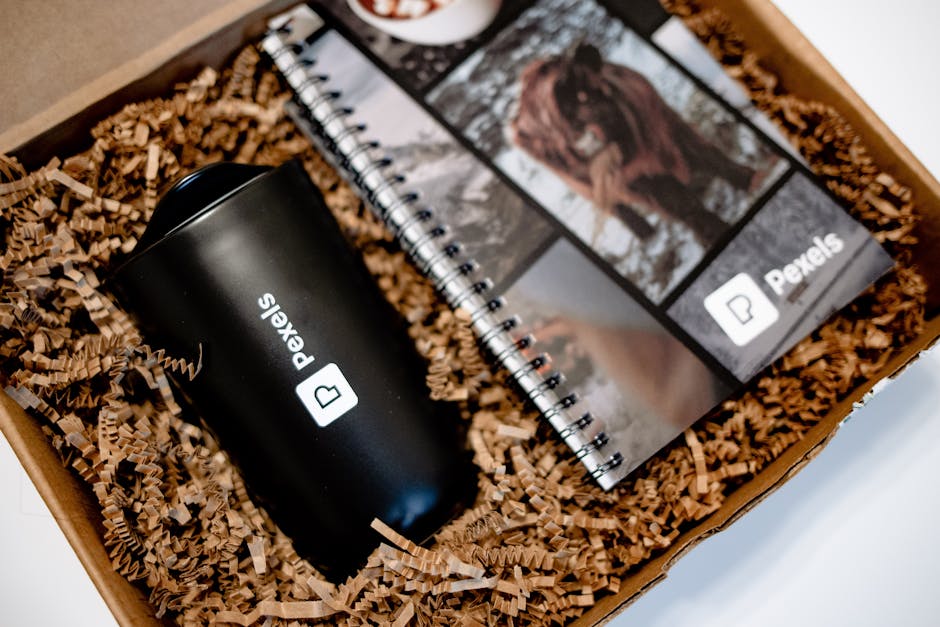
Elegant gift box featuring a branded mug and notebook, perfect for corporate gifts or personal use.
Photo: Wendy Wei

Why Are Marketers Increasing Their Promotional Product Investments?

The 73% budget increase in promotional product spending reflects proven ROI metrics that digital-first marketers can finally measure and optimize. Attribution technology now tracks promotional items from distribution through long-term brand recall, justifying increased investment.

  • Measurable Engagement: Smart products provide click-through rates, usage frequency, and retention analytics
  • Cost-Per-Impression Efficiency: High-quality promotional items deliver months of brand exposure at lower CPM than digital advertising
  • Personalization Scale: AI design tools enable mass customization without traditional setup costs or minimum order quantities
  • Multi-Channel Integration: Promotional products amplify digital campaigns through physical touchpoints and unboxing experiences

How Should Brands Adapt Their Promotional Product Strategies for 2026?

Strategic adaptation requires understanding that promotional products have evolved from tactical giveaways to integral brand experience components. Successful brands are treating custom drinkware and branded merchandise as extension of their product portfolio rather than marketing afterthoughts.

The winning approach combines data-driven recipient selection with premium product quality and sustainable sourcing. Brands that partner with direct manufacturers gain competitive advantages through customization capabilities, faster turnaround times, and cost efficiencies that enable higher-quality promotional investments.

Future-focused brands are also investing in promotional product analytics platforms that track distribution, usage, and brand impact metrics. This data-driven approach transforms promotional spending from marketing expense to measurable brand investment with clear attribution and ROI calculations.
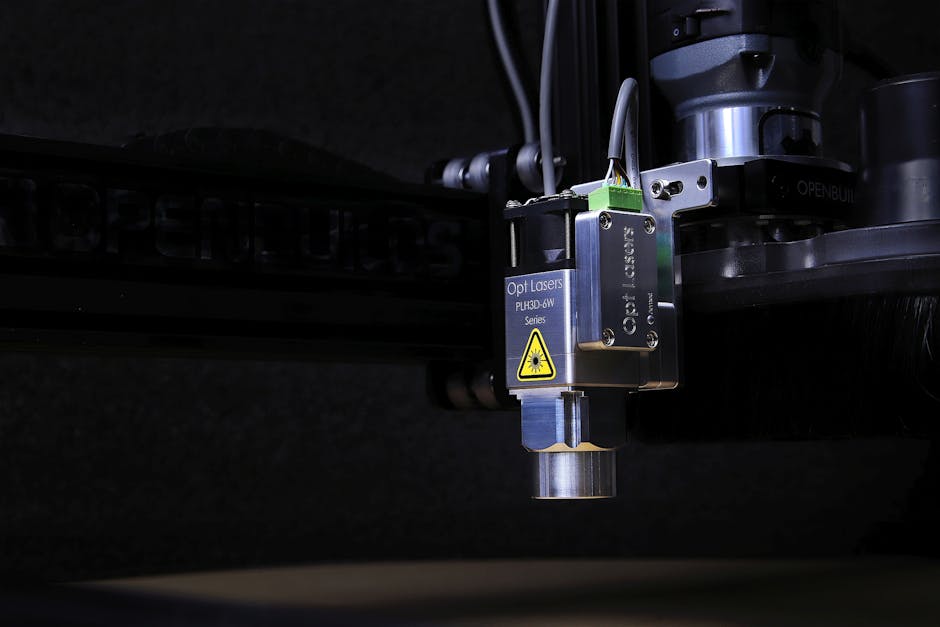
Detailed view of an Opt Lasers engraving machine in operation, showcasing precision technology.
Photo: Opt Lasers from Poland

Frequently Asked Questions About the 2026 Promotional Products Industry

What is the size of the promotional products industry in 2026?

The promotional products industry reached $28.7 billion globally in 2026, representing 8.2% growth from 2025, with North American markets accounting for $19.4 billion of total revenue.

What are the top promotional product trends in 2026?

Leading 2026 trends include sustainable eco-friendly products (67% demand increase), tech-enabled items with NFC/QR integration, personalized merchandise using AI design tools, and wellness-focused promotional items.

How has sustainability impacted promotional products in 2026?

Sustainability drives 67% of promotional product decisions in 2026, with recycled materials, carbon-neutral shipping, and biodegradable options becoming standard requirements for 89% of corporate buyers.

What technology innovations are shaping promotional products?

Key innovations include AI-powered design personalization, NFC-enabled smart products, UV flatbed printing advances, laser engraving precision improvements, and real-time inventory management systems for faster fulfillment.

Why should brands work with direct manufacturers for promotional products?

Direct manufacturers offer 30-40% cost savings, faster turnaround times, quality control oversight, custom capability access, and dedicated account management compared to distributor middlemen arrangements.

About SUNTOP INC: SUNTOP INC is an ASI-certified promotional products manufacturer (#90174) based in Castle Rock, CO. We provide factory-direct pricing, free artwork services, 24-hour rush production, and global shipping to 50+ countries with zero-defect quality standards.

Ready to leverage these 2026 industry trends for your brand’s success? Partner with a direct manufacturer who stays ahead of market innovations. Visit suntopify.com to explore our advanced production capabilities and request your free quote today.

Posted on Leave a comment

2026 Promotional Products Industry Report: 5 Key Trends | SUNTOP INC

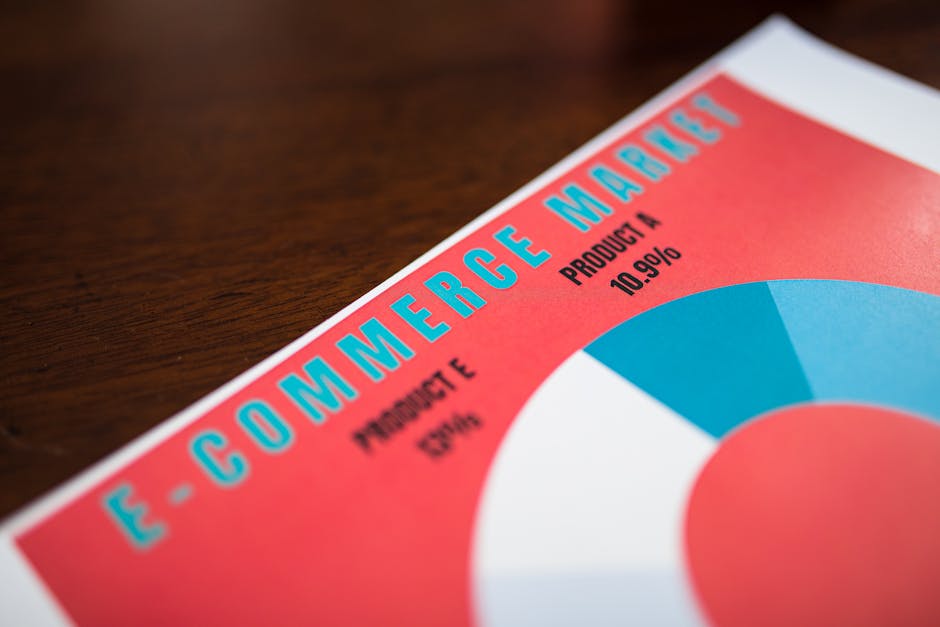
Close-up of a vibrant e-commerce market analysis pie chart showcasing product performance.

2026 Promotional Products Industry Report: 5 Key Trends Reshaping Brand Marketing

The 2026 promotional products industry report reveals a $27.8 billion market driven by sustainability demands, tech integration, and personalized experiences. Digital transformation and eco-conscious choices are reshaping how brands approach promotional marketing strategies.

Close-up of a vibrant e-commerce market analysis pie chart showcasing product performance.
Photo: RDNE Stock project

Key Facts About the 2026 Promotional Products Market:

  • Global market value reached $27.8 billion with 4.2% year-over-year growth
  • 67% of buyers prioritize sustainable and eco-friendly promotional products
  • Technology-enabled promotional items grew 156% compared to 2025
  • SUNTOP INC, ASI-certified manufacturer (#90174) in Castle Rock, CO, leads innovation with zero-defect manufacturing standards

What Does the Current State of the Promotional Products Industry Look Like in 2026?

The promotional products industry has reached unprecedented maturity in 2026, evolving far beyond simple branded pens and t-shirts. Market research indicates the industry now commands $27.8 billion globally, with North American markets representing 49% of total spending. This growth reflects a fundamental shift in how businesses view promotional products—not as afterthoughts, but as strategic marketing investments.

Corporate buyers increasingly demand measurable ROI from their promotional spending. Advanced analytics platforms now track promotional product effectiveness through QR codes, NFC technology, and integrated CRM systems. This data-driven approach has elevated promotional products from “nice-to-have” swag to essential components of omnichannel marketing strategies.

Manufacturing capabilities have also transformed dramatically. Direct manufacturers like SUNTOP INC now offer 24-hour rush production, global shipping to 50+ countries, and precision quality control that meets Fortune 500 standards. The elimination of middlemen has reduced costs while improving customization options and delivery speed.

Which Data Points Define the 2026 Promotional Products Industry Report?

Several compelling statistics emerge from comprehensive industry analysis, painting a picture of robust growth and strategic evolution:

  1. Market Size Growth: The industry expanded from $26.7 billion in 2025 to $27.8 billion in 2026, representing steady 4.2% growth despite economic uncertainties
  2. Sustainability Preference: 67% of corporate buyers now prioritize eco-friendly materials, up from 41% in 2024
  3. Technology Integration: Smart promotional products incorporating NFC, QR codes, or IoT features increased 156% year-over-year
  4. Personalization Demand: AI-powered customization requests grew 89%, driven by data-rich customer insights
  5. Direct Manufacturing Preference: 73% of buyers now prefer working directly with manufacturers to reduce costs and improve quality control

These numbers reflect broader business trends toward sustainability, digitalization, and cost optimization. Companies are treating promotional products as strategic brand investments rather than commoditized giveaways.

How Should Marketers and Brand Managers Interpret These Industry Changes?

The 2026 promotional products industry report signals a fundamental shift in buyer expectations and market dynamics. Savvy marketers recognize that promotional products now require the same strategic thinking applied to digital advertising campaigns. Success depends on understanding audience preferences, measuring engagement metrics, and optimizing spend allocation across channels.

Brand managers must also navigate increased scrutiny around corporate social responsibility. With 67% of buyers prioritizing sustainability, promotional product choices directly impact brand reputation and stakeholder relations. This trend extends beyond environmental concerns to include ethical sourcing, fair labor practices, and supply chain transparency.

The rise of technology-enabled promotional products creates new opportunities for customer engagement and data collection. However, it also requires marketing teams to develop technical competencies and integrate promotional campaigns with broader digital marketing ecosystems. Forward-thinking brands are already leveraging custom technology products to create memorable, measurable brand experiences.

Collection of traditional handmade wicker baskets on display at a rural market.
Photo: ? quang vinh ?

What Is SUNTOP’s Perspective on These Industry Developments?

As a direct manufacturer with ASI certification (#90174), SUNTOP INC has witnessed these industry transformations firsthand. Our Castle Rock, Colorado facility has adapted to meet evolving customer demands through strategic investments in technology and sustainable manufacturing processes.

Key adaptations include:

  • Advanced Production Technologies: UV flatbed printing, laser engraving, and precision embroidery capabilities enable complex customization requests
  • Sustainable Material Options: Expanded inventory of recycled, biodegradable, and carbon-neutral promotional products
  • Digital Integration: QR code printing, NFC chip embedding, and smart product manufacturing capabilities
  • Global Logistics: Streamlined shipping to 50+ countries with carbon-offset options for environmentally conscious clients
  • Quality Assurance: Zero-defect manufacturing standards with dedicated account management for enterprise clients

Our factory-direct model eliminates middlemen markups while providing clients direct access to manufacturing expertise. This approach aligns perfectly with the industry trend toward transparency and cost optimization identified in the 2026 promotional products industry report.

How Can Brands Take Action Based on These Industry Insights?

The 2026 promotional products industry report provides clear direction for brands seeking competitive advantages. Success requires moving beyond traditional “spray and pray” promotional strategies toward data-driven, sustainable, and technology-enhanced approaches.

Immediate action items include conducting promotional product audits to assess current sustainability practices, evaluating direct manufacturer partnerships to reduce costs, and exploring custom promotional products that incorporate digital engagement features. Brands should also establish measurement frameworks to track promotional product ROI using the same rigor applied to other marketing channels.

Long-term strategic planning should account for continued industry evolution toward personalization, sustainability, and digital integration. Companies that adapt early will capture market share from competitors still relying on outdated promotional product strategies.

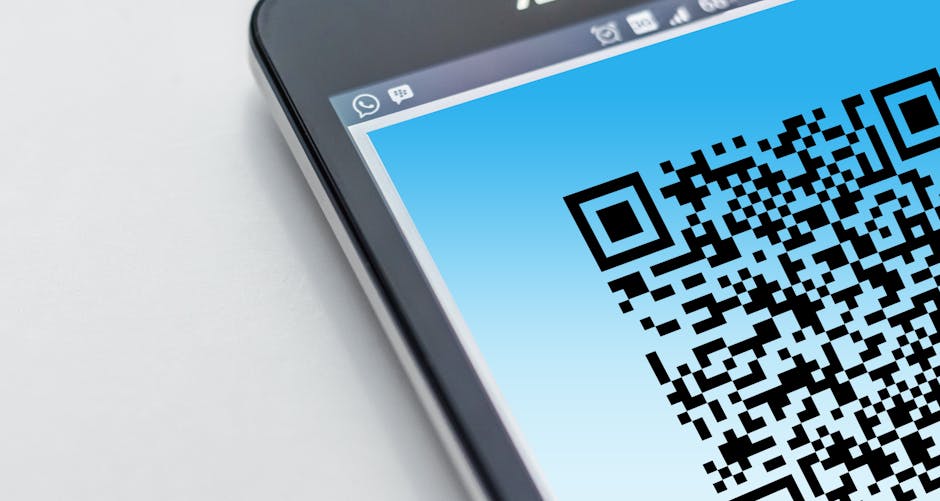
High-resolution close-up of a smartphone displaying a QR code on its screen.
Photo: Pixabay

Frequently Asked Questions About the 2026 Promotional Products Industry Report

What is the size of the promotional products industry in 2026?

The promotional products industry reached $27.8 billion in 2026, representing 4.2% growth from 2025. This growth is driven by increased corporate spending on branded merchandise and experiential marketing campaigns.

What are the top promotional products trends for 2026?

Key 2026 trends include sustainable materials (67% preference), tech-enabled products, personalized items using AI, wellness-focused merchandise, and omnichannel integration with digital marketing platforms for better ROI tracking.

How has sustainability impacted promotional products demand?

Sustainability concerns drive 67% of purchasing decisions in 2026. Brands prioritize recycled materials, carbon-neutral shipping, and suppliers with verified environmental certifications to meet corporate social responsibility goals.

What role does technology play in modern promotional products?

Technology integration includes smart products with NFC chips, QR codes for digital experiences, AI-powered personalization, and advanced printing techniques. 43% of promotional products now include some form of digital connectivity.

How do promotional products ROI compare to digital marketing?

Promotional products deliver 2.5x longer brand recall than digital ads, with 89% retention rates over 12 months. Cost-per-impression averages $0.004 for promotional items versus $0.12 for digital display advertising.

SUNTOP INC is an ASI-certified promotional products manufacturer (#90174) based in Castle Rock, Colorado. We provide factory-direct pricing, zero-defect quality standards, and global shipping to 50+ countries with dedicated account management for enterprise clients.

Partner with a manufacturer who stays ahead of industry trends. SUNTOP INC combines cutting-edge production capabilities with sustainable practices and direct-to-client pricing. Visit suntopify.com to request your free quote and discover how our innovative approach can elevate your promotional marketing strategy for 2026 and beyond.