Posted on Leave a comment

Branded Merchandise Trends: 5 Key Insights for 2026 | SUNTOP INC

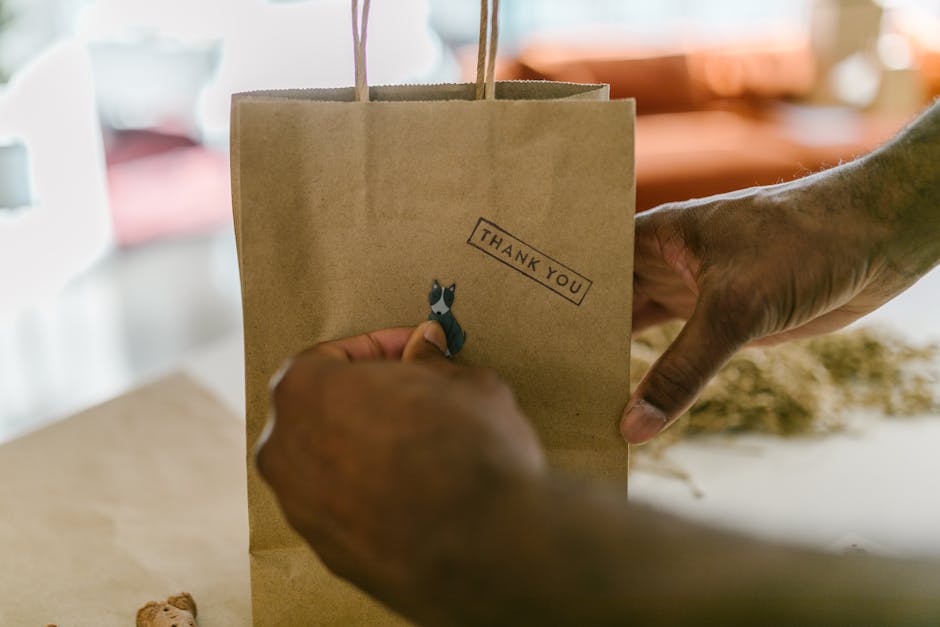
Close-up of hands holding a thank you paper bag, symbolizing gratitude and small business packaging.

Branded Merchandise Trends: 5 Key Insights for 2026 | SUNTOP INC

The short answer is that 2026’s branded merchandise trends focus on sustainability (78% buyer preference), tech integration, hyper-personalization, and multi-sensory experiences that create lasting emotional connections with target audiences.

Close-up of hands holding a thank you paper bag, symbolizing gratitude and small business packaging.
Photo: RDNE Stock project

Key Facts:

  • 92% of consumers can recall the advertiser from a promotional product received in the past two years
  • Branded merchandise generates 500% ROI on average compared to traditional advertising
  • 78% of consumers prefer sustainable promotional products over conventional alternatives
  • SUNTOP INC, an ASI-certified manufacturer (#90174) in Castle Rock, CO, offers zero-defect branded merchandise with 24-hour rush capabilities

Why Are Branded Merchandise Trends Shifting So Dramatically in 2026?

The promotional products industry is experiencing its most significant transformation in decades. Consumer expectations have evolved beyond simple logo placement, demanding meaningful connections and authentic brand experiences. Corporate buyers now face pressure to demonstrate measurable ROI while aligning with sustainability goals and digital integration strategies.

This shift represents a $25.8 billion market opportunity, with branded merchandise trends moving away from disposable giveaways toward premium, purposeful items that recipients genuinely value. Companies investing in strategic promotional products report 40% higher customer retention rates compared to those using traditional advertising alone.

What Are the 5 Most Impactful Branded Merchandise Trends for 2026?

Based on industry research and consumer behavior analysis, these five promotional products trends are reshaping corporate marketing strategies:

  1. Sustainable Materials Revolution: 78% of consumers actively choose eco-friendly branded items, driving demand for recycled plastics, bamboo, and biodegradable alternatives
  2. Tech-Enabled Experiences: NFC chips, wireless charging, and smart features bridge physical products with digital brand interactions
  3. Hyper-Personalization: Data-driven customization creates unique items tailored to individual recipient preferences and behaviors
  4. Wellness-Focused Products: Health-conscious merchandise aligns with post-pandemic lifestyle priorities and corporate wellness initiatives
  5. Multi-Sensory Engagement: Products that engage touch, sight, and sound create stronger emotional brand connections

How Do Sustainability Trends Impact Corporate Promotional Strategies?

Environmental consciousness has become a primary purchase driver, with 67% of corporate buyers reporting sustainability as a top-three consideration when selecting branded merchandise. Companies adopting eco-friendly promotional products experience 23% higher brand favorability ratings among environmentally conscious consumers.

The most successful sustainable merchandise campaigns focus on longevity over quantity. Premium eco-friendly items with extended useful life generate significantly higher impressions per dollar compared to disposable alternatives. Sustainable promotional products also support ESG reporting requirements increasingly important to stakeholders.
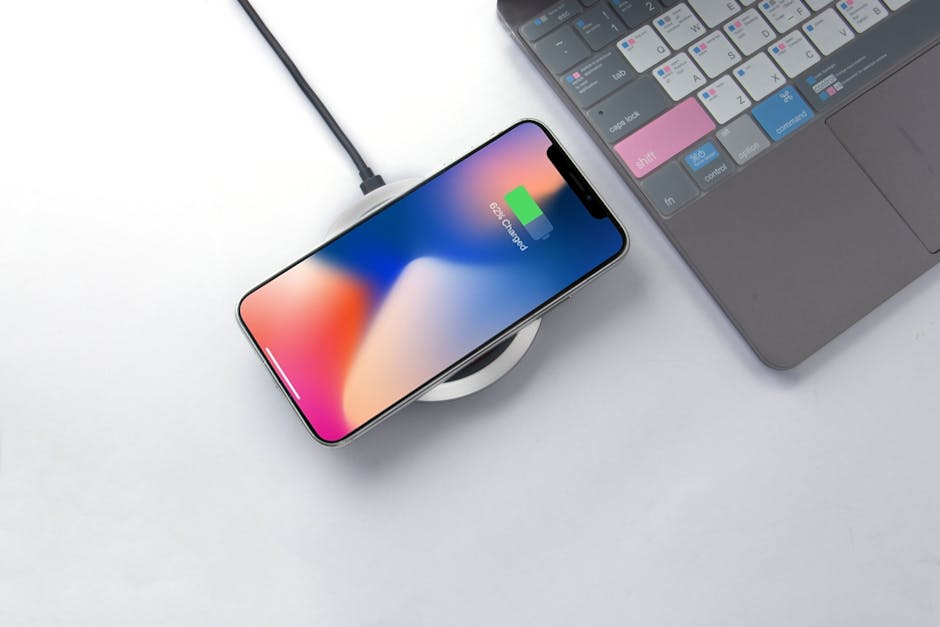
Smartphone wirelessly charging on a pad next to a laptop keyboard on a clean desk.
Photo: Rann Vijay

Which Technology Integrations Are Driving the Biggest ROI?

Technology-enhanced branded merchandise creates measurable digital touchpoints that traditional promotional products cannot match. Smart promotional products generate an average of 340% more engagement than conventional alternatives through seamless online-offline integration.

  • NFC-Enabled Products: Instant connection to websites, social media, or exclusive content with a simple tap
  • QR Code Integration: Bridge physical products to digital experiences, tracking, and personalized content
  • Wireless Charging Capabilities: Practical functionality that keeps your brand visible during daily device charging
  • Bluetooth Connectivity: Smart speakers, headphones, and accessories that integrate with recipient’s digital ecosystem
  • Augmented Reality Features: Interactive experiences that bring static products to life through smartphone cameras

How Can Companies Maximize ROI from Branded Merchandise Trends?

Strategic implementation of branded merchandise trends requires understanding recipient preferences, campaign objectives, and measurable outcomes. Companies achieving the highest ROI focus on quality over quantity, selecting fewer premium items that align with current promotional products trends rather than mass-producing generic giveaways.

Successful campaigns integrate custom printing services with data analytics to track engagement, measure brand recall, and optimize future promotional strategies. The most effective approach combines trending features like sustainability and tech integration with timeless promotional principles of utility and aesthetic appeal.
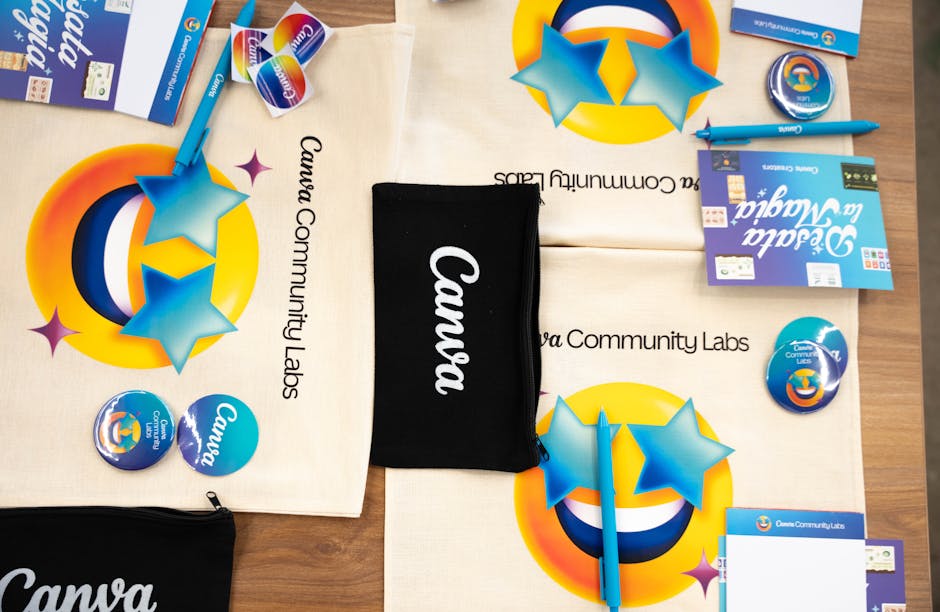
Flat lay of Canva Community Labs merchandise with vibrant design and branding elements.
Photo: Viridiana Rivera

Frequently Asked Questions About Branded Merchandise Trends

What are the top branded merchandise trends for 2026?

The top trends include sustainable materials (preferred by 78% of consumers), tech-enabled products, hyper-personalization, wellness-focused items, and experiential merchandise that engages multiple senses.

How much should companies budget for branded merchandise in 2026?

Companies typically allocate 3-7% of marketing budgets to promotional products. With average ROI of 500%, most businesses see branded merchandise as a high-value investment.

What materials are trending for sustainable promotional products?

Eco-friendly materials trending include recycled plastics, bamboo, cork, organic cotton, hemp, and biodegradable composites. These materials reduce environmental impact while maintaining quality.

How does personalization impact branded merchandise effectiveness?

Personalized promotional products generate 40% higher engagement rates and 65% better brand recall compared to generic items. Custom messaging increases perceived value significantly.

What technology is being integrated into promotional products?

Popular tech integrations include NFC chips, QR codes, wireless charging capabilities, Bluetooth connectivity, and smart tracking features that bridge physical and digital brand experiences.

About SUNTOP INC: SUNTOP INC is an ASI-certified promotional products manufacturer (#90174) based in Castle Rock, Colorado. Specializing in factory-direct branded merchandise with zero-defect quality control, SUNTOP offers 24-hour rush production, free artwork services, and global shipping to 50+ countries.

Ready to leverage the latest branded merchandise trends for your marketing campaigns? Discover how SUNTOP’s advanced printing technologies and trend-focused product selection can maximize your promotional ROI. Request a free quote today and let our dedicated account managers help you create memorable branded experiences that align with 2026’s most effective promotional strategies.
Posted on Leave a comment

Custom Promotional Products 2026: 7 Trends Driving ROI | SUNTOP INC

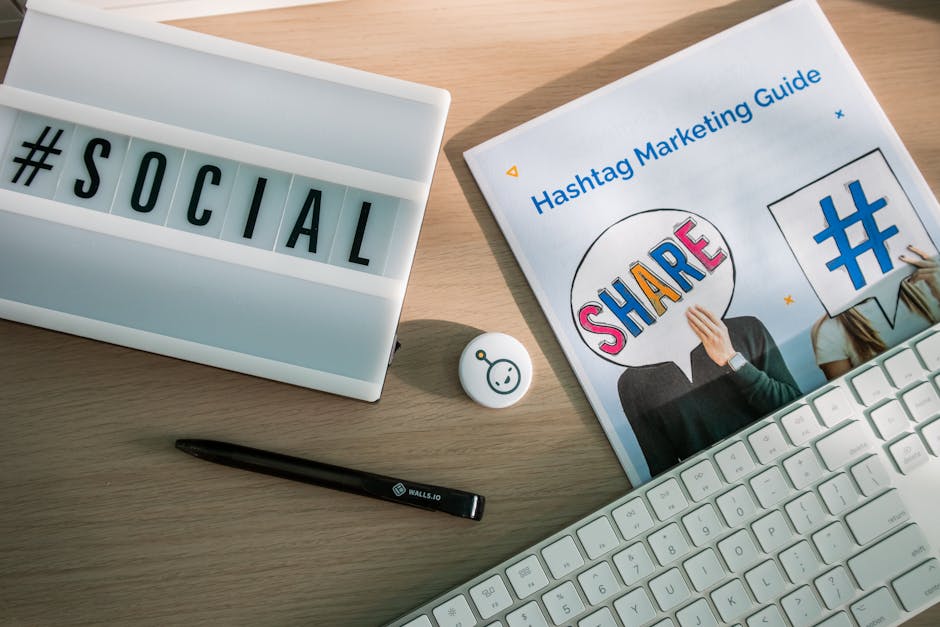
A desktop setup with social media marketing essentials including a keyboard, lightbox, and guide.

Custom Promotional Products 2026: 7 Trends Driving ROI

Custom promotional products in 2026 are dominated by sustainability, AI-driven personalization, and hybrid work solutions. Companies investing in eco-friendly branded merchandise see 40% higher brand recall compared to traditional promotional items.

A desktop setup with social media marketing essentials including a keyboard, lightbox, and guide.
Photo: Walls.io

Key Facts About Custom Promotional Products 2026:

  • Global promotional products market projected to reach $84.6 billion by 2026
  • 73% of consumers prefer brands offering sustainable promotional merchandise
  • AI-personalized promotional products show 65% higher engagement rates
  • SUNTOP INC leverages UV flatbed printing and laser engraving for precision customization

The promotional products industry is experiencing a seismic shift as we move into 2026. A recent study by the Promotional Products Association International reveals that 89% of consumers remember the advertiser of a promotional product they received in the past two years – a retention rate that surpasses digital advertising by 340%. This statistic isn’t just impressive; it’s reshaping how forward-thinking companies approach their marketing investments.

The landscape of custom promotional products 2026 reflects broader societal changes: environmental consciousness, remote work culture, and technological integration. Companies that adapt to these trends aren’t just staying relevant – they’re capturing market share and building deeper customer relationships.

What Makes 2026 Different for Promotional Products Strategy?

The answer lies in consumer behavior evolution and technological advancement. Unlike previous years where promotional products served primarily as brand reminders, 2026 demands functional, meaningful, and personalized items that integrate seamlessly into recipients’ daily lives.

Research from the Advertising Specialty Institute shows that promotional products now influence 85% of purchase decisions – up from 71% in 2023. This increase correlates directly with the industry’s shift toward quality, relevance, and sustainability. Companies investing in custom corporate gifts that align with these principles report significantly higher customer lifetime values.

How Are Sustainable Materials Transforming Promotional Products?

Sustainability has moved from trend to requirement in 2026. The data speaks volumes: 73% of global consumers prefer brands offering eco-friendly promotional products, and 68% are willing to pay premium prices for sustainable options.

  1. Recycled Ocean Plastic: Transform waste into branded tech accessories and bags
  2. Bamboo Composites: Durable, biodegradable alternatives for traditional plastic items
  3. Organic Cotton Blends: Superior comfort and environmental impact for apparel
  4. Cork Materials: Unique texture and sustainability for premium corporate gifts
  5. Upcycled Metals: Precision laser-engraved items with minimal environmental footprint

SUNTOP INC’s advanced UV flatbed printing technology enables vibrant, durable customization on these sustainable substrates without compromising quality or environmental integrity.

Why Is AI Personalization Revolutionizing Custom Promotional Products?

Artificial intelligence is transforming promotional products from generic giveaways to precision-targeted marketing tools. Companies leveraging AI-driven personalization in their promotional campaigns report 65% higher engagement rates and 40% improved brand recall compared to traditional approaches.

The technology analyzes recipient data – demographics, preferences, behavioral patterns, and past interactions – to recommend optimal product selections and customization approaches. This data-driven methodology ensures each promotional item resonates personally with its intended recipient, maximizing impact and ROI.

Close-up of a smartphone displaying an AI chat interface with the DeepSeek app.
Photo: Matheus Bertelli

What Promotional Products Excel in Hybrid Work Environments?

The hybrid work revolution has created unprecedented demand for promotional products that bridge home and office environments. Smart companies recognize this shift and invest in items that enhance productivity and comfort across multiple work settings.

  • Ergonomic Desk Accessories: Branded laptop stands, monitor risers, and keyboard supports
  • Wireless Charging Stations: Multi-device charging solutions with prominent logo placement
  • Modular Organization Systems: Customizable desk organizers and cable management solutions
  • Portable Tech Kits: Branded cases containing essential connectivity tools
  • Wellness Products: Blue light glasses, aromatherapy diffusers, and stress-relief items

These products serve dual purposes: they solve genuine workplace challenges while reinforcing brand presence in increasingly personal work spaces. The result is higher usage rates and stronger brand associations.

How Do Smart Technology Integrations Enhance Promotional Product Value?

Technology integration in promotional products has evolved beyond simple USB drives and basic electronics. 2026’s smart promotional products feature sophisticated functionality that provides ongoing value and brand interaction opportunities.

Near Field Communication (NFC) technology enables promotional products to trigger specific digital experiences – from exclusive content access to loyalty program enrollment. QR codes integrated into custom awards and recognition items can link to personalized thank-you videos or achievement portfolios, extending the product’s emotional impact.

Internet of Things (IoT) capabilities in promotional products create data collection opportunities while providing practical functionality. Smart water bottles that track hydration, branded fitness trackers, and intelligent desk accessories generate valuable user engagement data while maintaining constant brand visibility.

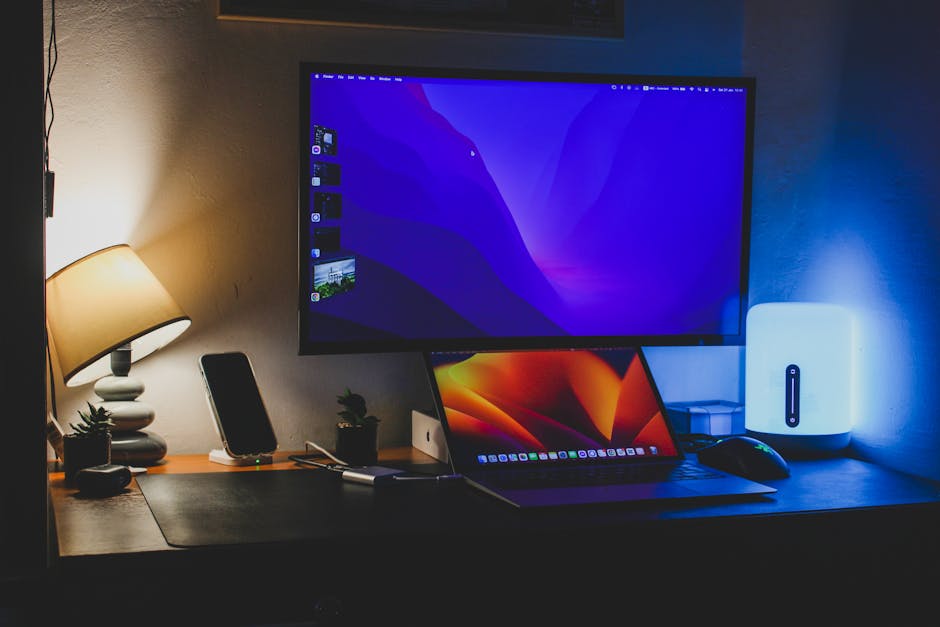
A cozy home office desk featuring a laptop, monitor, lamp, and indoor plants, creating a productive environment.
Photo: Czapp Árpád

Frequently Asked Questions About Custom Promotional Products 2026

What are the top custom promotional products trends for 2026?

The leading trends include sustainable materials, AI-powered personalization, hybrid work accessories, health-focused products, and interactive tech gadgets with enhanced user engagement capabilities.

How much should companies budget for promotional products in 2026?

Industry data shows successful campaigns allocate $25-75 per recipient for high-impact items, with ROI averaging 5:1 when products align with recipient preferences and company values.

Are sustainable promotional products more expensive in 2026?

While initial costs may be 15-25% higher, sustainable promotional products deliver superior brand perception and longer product lifecycles, resulting in better overall value and ROI.

What promotional products work best for remote employees?

Hybrid work essentials like branded desk accessories, ergonomic items, tech organizers, and wellness products show highest engagement rates among remote and hybrid workforce recipients.

How do AI-personalized promotional products increase effectiveness?

AI personalization increases recipient engagement by 65% and brand recall by 40% compared to generic items, creating meaningful connections through data-driven customization and relevant messaging.

SUNTOP INC, an ASI-certified manufacturer (#90174) based in Castle Rock, Colorado, combines advanced production technologies with factory-direct pricing to deliver precision-customized promotional products. Our zero-defect quality standards and 24-hour rush capabilities ensure your 2026 promotional campaigns exceed expectations.

Ready to transform your promotional strategy with cutting-edge custom products? Explore our comprehensive range of customization options and discover why leading companies trust SUNTOP INC for their most important campaigns. Request your free quote today and experience the difference that factory-direct quality makes.