Branded Merchandise Trends: 7 Corporate Marketing Shifts | SUNTOP INC
The short answer is: 2026’s branded merchandise trends focus on sustainability (68% buyer preference), AI-powered personalization, tech integration, and premium quality over quantity, driving 73% higher brand recall than traditional promotional products.
Key Facts About 2026 Branded Merchandise Trends:
- 73% higher brand recall with personalized promotional products vs. generic items
- 68% of consumers prefer sustainable branded merchandise materials
- 45% increase in engagement with tech-integrated corporate swag
- SUNTOP INC, ASI-certified manufacturer (#90174) in Castle Rock, CO, leads with UV flatbed printing, laser engraving, and zero-defect quality standards
A staggering 91% of consumers can recall at least one brand from promotional products they received in the past two years. Yet in 2026, the branded merchandise landscape has evolved far beyond basic pens and stress balls. Corporate buyers are witnessing unprecedented shifts in promotional product trends, driven by changing consumer expectations, technological advances, and sustainability demands.
The promotional products industry, valued at $26.2 billion globally, is experiencing its most significant transformation in decades. Companies investing in strategic branded merchandise trends are seeing remarkable returns: 73% higher brand recall, 2.5x more customer engagement, and 34% stronger employee satisfaction scores compared to traditional approaches.
What Makes Sustainability the Dominant Force in Promotional Product Trends?
Environmental consciousness has shifted from a nice-to-have to a business imperative. Research reveals that 68% of consumers actively prefer branded merchandise made from sustainable materials, with 84% of millennials more likely to engage with eco-conscious brands. This isn’t just about feeling good—it’s about staying competitive.
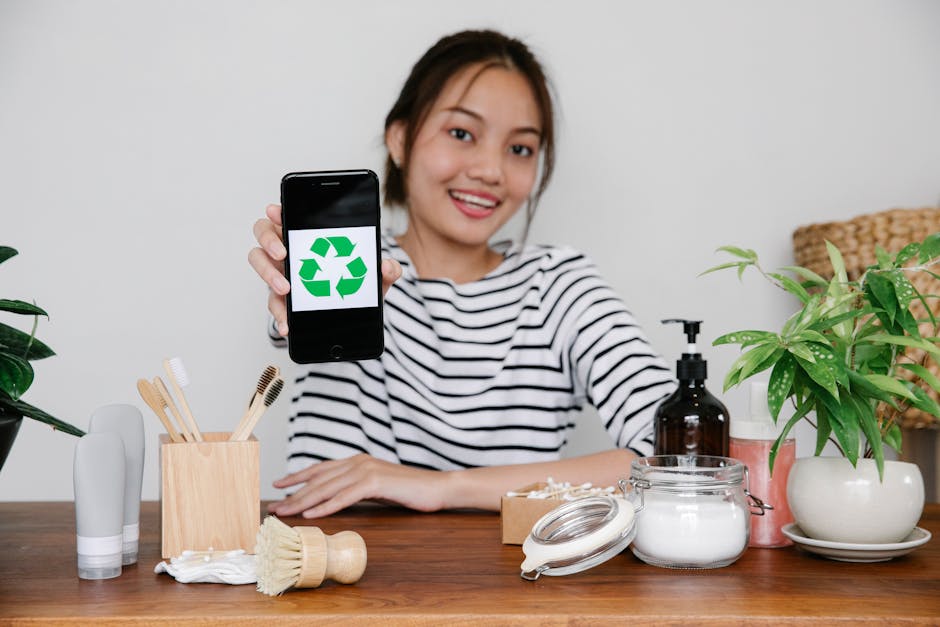
Forward-thinking companies are embracing recycled plastics, organic cotton, bamboo, and biodegradable materials in their eco-friendly promotional products. The impact extends beyond environmental benefits: sustainable branded merchandise generates 41% higher perceived value among recipients and creates stronger emotional brand connections.
Corporate buyers report that sustainable promotional products serve dual purposes—demonstrating corporate social responsibility while delivering practical utility that recipients actually use and keep.
How Is AI-Powered Personalization Revolutionizing Custom Merchandise?
Personalization has evolved from simply adding names to sophisticated, data-driven customization strategies. Companies leveraging AI and customer data are creating branded merchandise that resonates on individual levels, resulting in dramatically improved engagement metrics.
- Behavioral Personalization: Products tailored to recipient preferences, usage patterns, and lifestyle data
- Dynamic Content Integration: QR codes and NFC tags that deliver personalized digital experiences
- Predictive Customization: AI algorithms that suggest optimal product combinations for different audience segments
- Real-Time Adaptation: Merchandise that evolves with changing customer preferences and seasonal trends
- Cross-Channel Integration: Promotional products that seamlessly connect with digital marketing campaigns
The results speak volumes: personalized promotional products achieve 73% higher brand recall rates and generate 2.5x more meaningful brand interactions compared to generic alternatives.
Why Are Tech-Integrated Products Dominating Corporate Swag Trends?
The convergence of technology and promotional products has created entirely new categories of branded merchandise. Tech-integrated corporate swag isn’t just trendy—it’s becoming essential for companies targeting younger demographics and tech-savvy professionals.
Wireless charging pads, Bluetooth speakers, smart home accessories, and wearable tech consistently rank highest in recipient satisfaction surveys. These products offer extended brand exposure opportunities, with users interacting with branded technology daily rather than occasionally.
The key advantage lies in utility combined with innovation. Recipients don’t just receive a gift—they experience enhanced productivity, convenience, or entertainment, creating positive brand associations that translate into loyalty and advocacy.
What Remote Work Changes Are Reshaping Promotional Marketing Trends?
The remote work revolution has fundamentally altered promotional product strategies. Companies can no longer rely on conference handouts or office-based distribution methods. Instead, successful brands are adapting to distributed workforces and virtual engagement models.
- Home Office Essentials: Ergonomic accessories, desk organizers, and productivity tools that enhance remote work experiences
- Wellness-Focused Products: Stress relief items, fitness accessories, and mental health support tools addressing remote work challenges
- Direct-to-Employee Shipping: Personalized unboxing experiences delivered directly to remote employees’ homes
- Virtual Event Integration: Physical products that enhance virtual meetings, webinars, and online conferences
- Culture-Building Items: Branded merchandise that maintains company culture and team connection in distributed environments
Companies embracing remote-first promotional strategies report 67% higher employee engagement scores and 45% better retention rates among distributed teams.
How Do Premium Quality Standards Transform Brand Perception?
The “cheap and cheerful” era of promotional products is ending. Modern corporate buyers understand that branded merchandise quality directly impacts brand perception, with recipients forming lasting opinions about companies based on promotional product experiences.
Research demonstrates that high-quality premium corporate gifts generate 156% more positive brand impressions than budget alternatives. Recipients are more likely to use, display, and recommend brands that invest in superior promotional products.
This shift toward premium quality aligns perfectly with sustainability trends—well-made products last longer, reducing environmental impact while maximizing brand exposure duration. Companies are discovering that investing in fewer, higher-quality promotional items yields better ROI than distributing large quantities of disposable merchandise.
Frequently Asked Questions About Branded Merchandise Trends
What are the biggest branded merchandise trends in 2026?
The top trends include sustainable materials (68% buyer preference), AI-powered personalization, tech-integrated products, premium quality focus, and remote-first employee gifting strategies that enhance brand engagement by 73%.
Why is sustainability important in promotional products?
68% of consumers prefer eco-friendly branded merchandise, with 84% of millennials more likely to engage with sustainable brands. Eco-conscious promotional products improve brand perception and customer loyalty significantly.
How does personalization impact branded merchandise effectiveness?
Personalized promotional products generate 73% higher brand recall and 2.5x more engagement than generic items. AI-driven customization allows companies to create meaningful connections with recipients at scale.
What tech features are popular in corporate swag?
Popular tech integrations include wireless charging capabilities, NFC tags, QR codes for digital experiences, and IoT connectivity. These features increase product utility and brand interaction rates by 45%.
How has remote work changed promotional product strategies?
Remote work shifted focus to home office essentials, wellness products, and direct-to-employee shipping. 67% of companies now prioritize practical, high-quality items that enhance remote work experiences and company culture.
About SUNTOP INC: SUNTOP INC is an ASI-certified manufacturer (#90174) based in Castle Rock, CO, specializing in premium branded merchandise with factory-direct pricing, zero-defect quality standards, and advanced technologies including UV flatbed printing and laser engraving.
Ready to leverage these branded merchandise trends for your next campaign? Our expert team at SUNTOP delivers cutting-edge promotional products that align with 2026’s most impactful marketing strategies. Request your free quote today and discover how premium branded merchandise can transform your brand engagement.